Israel Enacts Law Allowing Death Penalty for Palestinians Convicted of Attacks


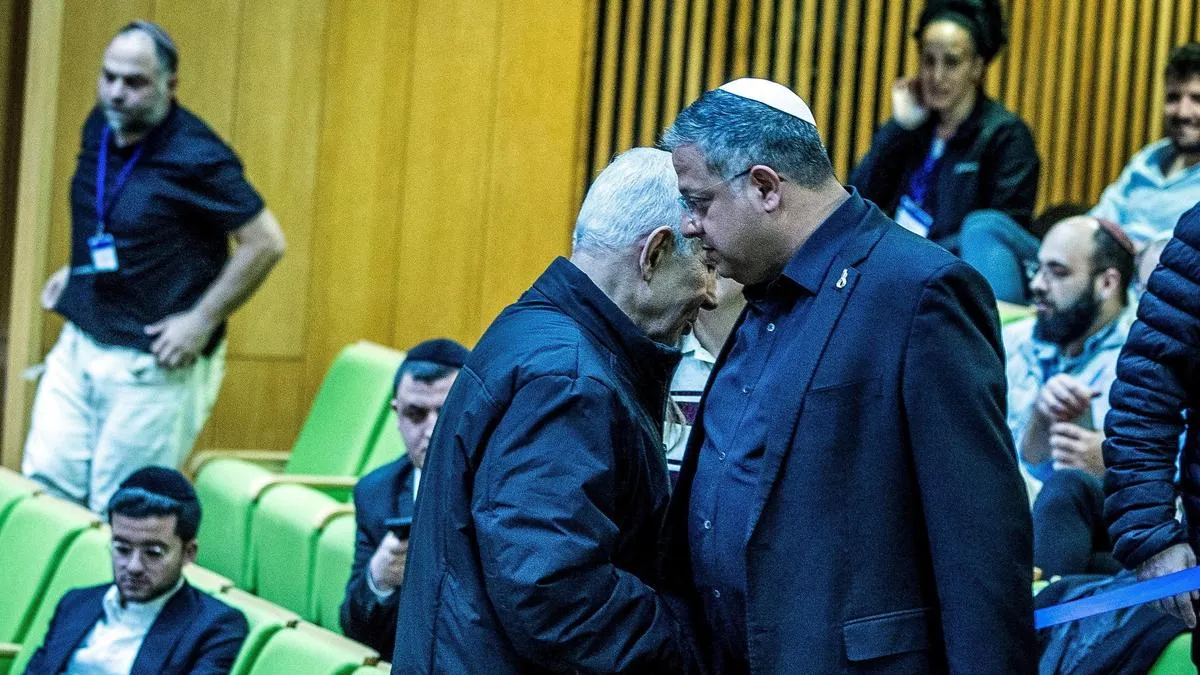
On March 30, 2026, Israel's Knesset, the Parliament, approved a law that introduces the death penalty as the default punishment for Palestinians convicted of fatal attacks in military courts. This legislation represents a key commitment by Israeli Prime Minister Benjamin Netanyahu and his far-right coalition partners, particularly National Security Minister Itamar Ben-Gvir, who was seen celebrating the decision. The law has generated significant international backlash, coinciding with ongoing concerns about violence against Palestinians and settler aggression in the occupied West Bank.
The newly passed law mandates that executions must occur by hanging within 90 days of sentencing, with limited provisions for delays. Unlike previous proposals, the legislation now permits an alternative life sentence instead of capital punishment. This decision comes amidst deepening tensions in the region, as the Israeli military and settlers have intensified their attacks on Palestinians, especially following the violent outbreak that began after Hamas's attack on Israel on October 7, 2023.
Critics, including a joint statement from foreign ministers of Germany, France, Italy, and the United Kingdom, have branded the law as discriminatory towards Palestinians. They expressed concerns that this legislation undermines Israel’s commitments to democratic values and may lead to extrajudicial killings masked as legal actions. The Palestinian Ministry of Foreign Affairs referred to the approval of the law as a dangerous escalation of violence prompted by Israel’s colonial policies, suggesting an environment where legal protections for Palestinians are eroded.
In Israel, numerous rights groups and legal professionals have voiced strong opposition to the legislation, arguing it is unconstitutional and violates fundamental legal principles. Human Rights Watch and other organisations have highlighted the law's vague definitions of terrorism, which could lead to the death penalty being applied in cases that do not meet true definitions of violent crime.
Supporters of the law, like Itamar Ben-Gvir, believe that imposing the death penalty will serve as a deterrence against terrorist acts by Palestinians. However, human rights advocates note that the death penalty has not been proven effective in reducing crime rates and emphasise the lack of fair trial standards in military courts.
The legislation allows for the death penalty in civilian courts as well, but only for convictions involving deliberate actions aimed at harming the existence of Israel itself. Despite the significant shift in Israel's legal landscape regarding capital punishment, the state had not executed anyone since 1962, when Nazi war criminal Adolf Eichmann was hanged.
International response has been swift, with calls from various bodies urging Israel to reconsider its decision. The UN Human Rights Office expressed strong opposition, reiterating the illegality of the death penalty under international law. The office described the law as a manifestation of systemic discrimination, solely targeting Palestinians within occupied territories.
Furthermore, the implications of this new law extend beyond legal ramifications; accusations have arisen that Israeli security forces have committed acts of torture in the military court system, which boasts a conviction rate of 96% for Palestinians. As tensions persist, various Palestinian organisations and leaders have resolved to challenge this legislation in Israel’s Supreme Court, seeking to overturn it before it comes into effect.
Supporters of the law argue that it is a necessary step in addressing security threats posed by militant groups and instances of violence against Israelis. Nevertheless, civil rights advocates assert that this legislative shift would endanger lives and exacerbate current tensions in an already volatile environment. The Israeli administration faces mounting pressure from both local and international fronts as the ramifications of this law unfold.
With national elections scheduled for October, observers are keenly watching the evolving landscape and potential outcomes, particularly regarding Israel's legal practices concerning its Palestinian population. As the situation develops, the balance between security needs and human rights considerations remains a contentious issue that will be scrutinised by both domestic and global audiences.

BJP Allies Urge Election Commission to Address Public Concerns

Thousands of Ganesh Idols Immersed in Telangana Festivities

Jaishankar Calls Attacks on Civilian Shipping ‘Indefensible’

Indian Prime Minister Urges Integration of Social Reforms in Governance