Russian Tanker Delivers Oil to Cuba, Easing Fuel Shortages


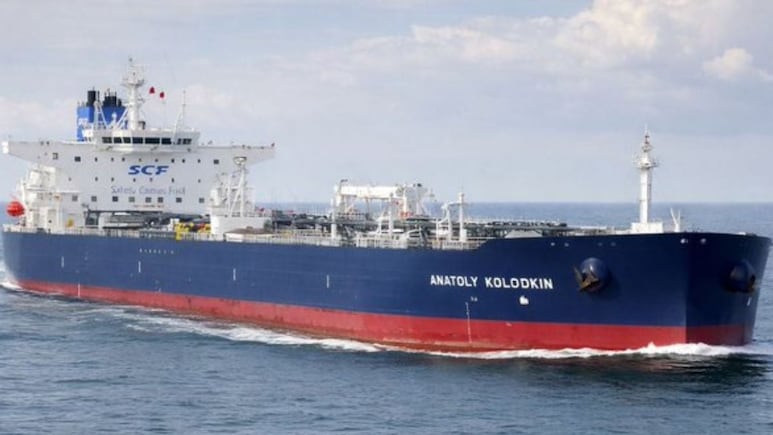
A tanker owned by a Russian company has docked on Cuba's northern coast, delivering approximately 730,000 barrels of crude oil. This marks an end to a near-total fuel blockade by the United States on the island, which has been severely affected by shortages. The arrival of the tanker, named the Anatoly Kolodkin, is significant as it represents the first crude oil shipment to reach one of Cuba's ports since early January.
The timing of the tanker’s arrival coincides with a perceived softening in the US's stance on its oil blockade. Last weekend, President Donald Trump indicated he had 'no problem' with countries supplying fuel to Cuba, acknowledging the urgent needs of the Cuban people amid a critical humanitarian situation. The island has experienced widespread blackouts, and many hospitals have been unable to operate effectively due to fuel shortages, resulting in strict rationing measures.
The tanker docked at the port of Matanzas, located east of Havana, on Tuesday. Following its arrival, White House Press Secretary Karoline Leavitt stated, 'We allowed this ship to reach Cuba in order to provide humanitarian needs to the Cuban people. These decisions are being made on a case-by-case basis.' Despite this statement, US officials clarified that there has been no official change in policy, and the oil blockade remains intact.
While the crude oil is now in Cuban territory, it will require refining at an ageing facility in Havana, a process that may exceed a week before the fuel is available for distribution. The ongoing blockade has had wide-ranging repercussions across the island, with schools and government offices facing closures due to energy shortages.
Cuba's tourism sector, a vital part of its economy, has also been adversely affected by the lack of fuel. In light of the severe restrictions, motorists have been limited to purchasing a maximum of 20 litres of petrol, requiring them to join a waiting list through a state-controlled application. The waiting times for fuel can extend over several weeks, and purchases must be made in US dollars.
Experts have noted that while the delivery of Russian oil will provide some relief, it is likely to sustain the Cuban economy for only a matter of weeks. Jorge Piñón, an authority on Cuba’s energy sector at the University of Texas at Austin, pointed out that there is also an urgent demand for diesel fuel, which is crucial for backup generators and essential transportation services.

India's Jaishankar Criticises Pakistan at UN General Assembly

Iran Asserts Readiness for War Amid Rising Tensions in Hormuz

Israeli Prime Minister Netanyahu Makes Unannounced Visit to UAE

World Leaders Gather for Climate Summit, Pledges Made