Iran's Supreme Leader Claims Victory Amid Ongoing Hostilities


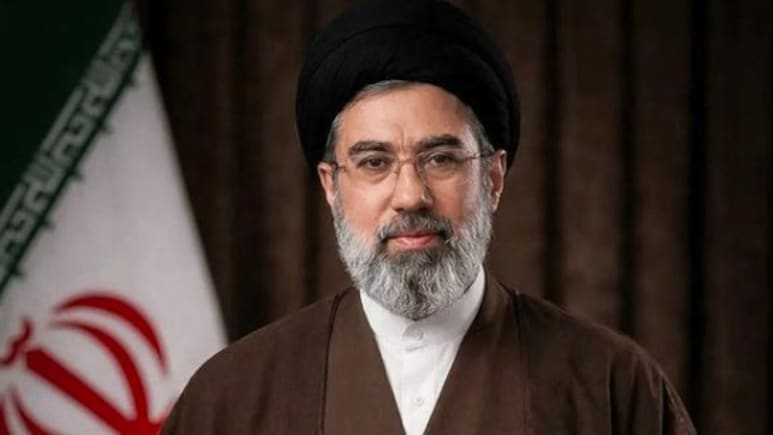
Mojtaba Khamenei, Iran's supreme leader, has declared a "final victory" in the ongoing conflict involving the United States and Israel, as the fragile ceasefire faces new challenges from continued hostilities. This statement comes as the world marks 40 days since the death of Khamenei's father, Ayatollah Ali Khamenei, during a US-Israeli attack marking the initial day of the war.
In a televised address, Khamenei stated that Iran had "astonished the world" throughout the conflict. He emphasised that while Iran does not seek war, it stands firm in its quest for rightful claims. "We will certainly not leave the criminal aggressors who attacked our country unpunished," he asserted, pledging that Iran would seek compensation for damages incurred during the war as well as justice for those who have suffered losses.
The Strait of Hormuz has emerged as a focal point of contention since the war erupted on February 28. Khamenei hinted at a forthcoming "new phase" without elaborating on specifics, as US-Iran negotiations persist amid ongoing tensions.
A recent agreement facilitated by Pakistan has resulted in a temporary two-week ceasefire, aiming to enable discussions following recent escalations, including attacks on Gulf nations and near-blockades of the strategic waterway. In this arrangement, Iran has consented to allow shipping through the Strait of Hormuz, while reportedly planning to impose a transit toll to assist in funding reconstruction efforts.
Regardless of the ceasefire, Khamenei has warned that Iran remains prepared to retaliate should hostilities recommence, stating, "Our hands are on the trigger."
The recent intensity of the conflict was underscored by a series of Israeli air strikes in Lebanon, which resulted in over 300 casualties, thereby jeopardising the US-Iran truce. Disagreement persists over the role of Lebanon in the ceasefire agreement, with Iran and Pakistan asserting its inclusion, while the United States and Israel contend otherwise. This divergence has led to calls from world leaders for peace and a unified approach to the resolution of tensions in the region.
Khamenei concluded by reaffirming Iran's stance, stating that although the country did not instigate the war, it would not forfeit its legitimate rights. He framed this commitment as being part of the broader resistance front, implicitly referencing Lebanon.
Negotiations involving delegations from Iran and the United States are slated to commence in Pakistan this weekend, as all parties work towards resolutions to the ongoing conflict.
Kerala Initiates Probe into 2006 Suicide Case Involving CEC
Extradition of Sheikh Hasina Feasible, Says Indian High Commissioner

Punjabi Makeup Artist Mad Sandhu Shot Dead in Amritsar
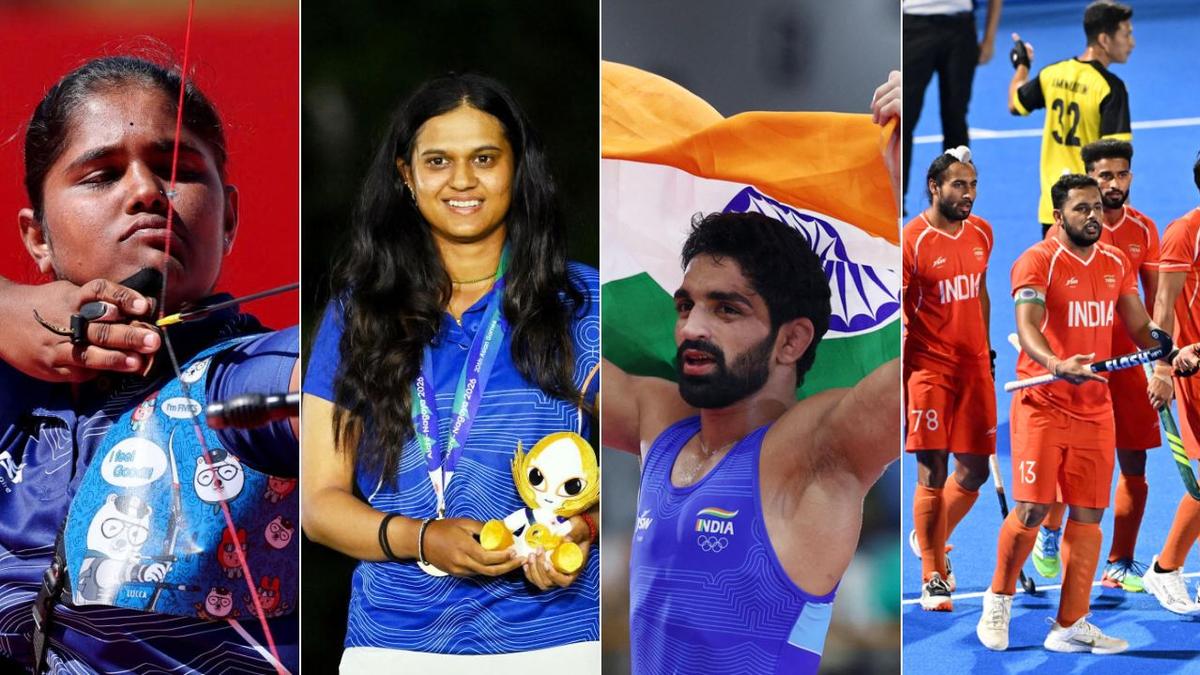
India Achieves Fourth Place at Asian Games 2026 Through Late Success