Iran Protests Result in Hundreds of Casualties Amid Rising Tensions


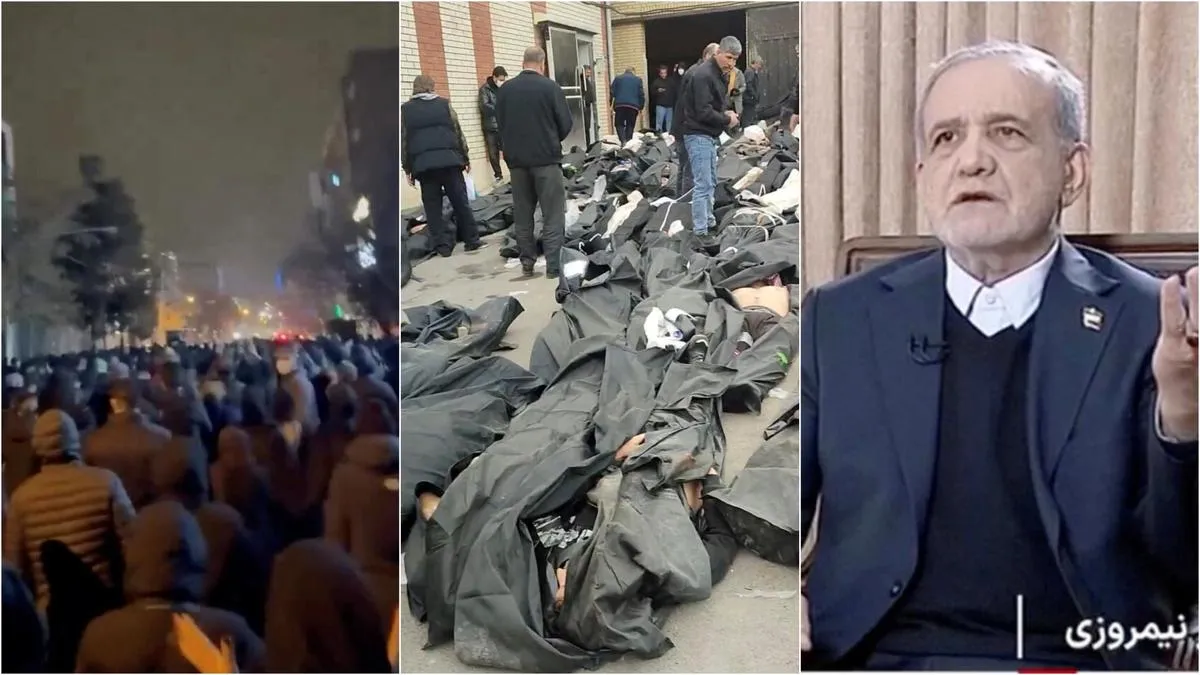
Recent protests in Iran have resulted in a significant number of fatalities, with reports indicating at least hundreds of deaths. These demonstrations, which initially began as a call for reforms, escalated into violent confrontations between protesters and security forces. The Iranian government has declared three days of mourning for those who lost their lives during the unrest.
Amid these rising tensions, Iranian Foreign Minister Abbas Araghchi stated that the protests were 'stoked and fueled' by external elements, specifically targeting narratives promoted by foreign governments. He suggested that the violence seen during the demonstrations served as a pretext for criticism directed at Iranian authorities, particularly by figures such as United States President Donald Trump, who has been vocal about the situation in Iran.
International reactions are varied; some countries have condemned the loss of life while expressing solidarity with the Iranian people. Meanwhile, critics of the Iranian government argue that the response to the protests has been disproportionately severe, exacerbating the situation further.
On social media, the narrative has evolved rapidly, with various factions either supporting or condemning the protests based on ideological lines. Analysts are now concerned about the potential ramifications of foreign interference in the situation, with both sides accusing each other of orchestrating unrest.
The protests have drawn focus not only for their immediate implications but also for their longer-term impact on regional stability. Economic conditions leading to widespread discontent in Iran have been largely attributed to various factors, including international sanctions and internal governance challenges.
As this situation continues to evolve, experts on Middle Eastern politics are monitoring developments closely, particularly regarding the potential for further escalation of violence and the effects on diplomatic relations in the region. In the midst of these issues, it is clear that the Iranian populace is keenly aware of historical patterns of protest and governmental response in their country.
'The reprisal against peaceful protests is something we have seen throughout history, and it often leads to an even greater call for systemic change,' noted Dr. Sara Johnson, a political analyst focused on Middle Eastern studies. 'The path forward for Iran will depend on both domestic actions and international responses.'
As the world watches, the situation in Iran serves as a reminder of the complex interplay between governance, civil unrest, and the role of foreign influence in national crises.
Kerala Initiates Probe into 2006 Suicide Case Involving CEC
Extradition of Sheikh Hasina Feasible, Says Indian High Commissioner

Punjabi Makeup Artist Mad Sandhu Shot Dead in Amritsar
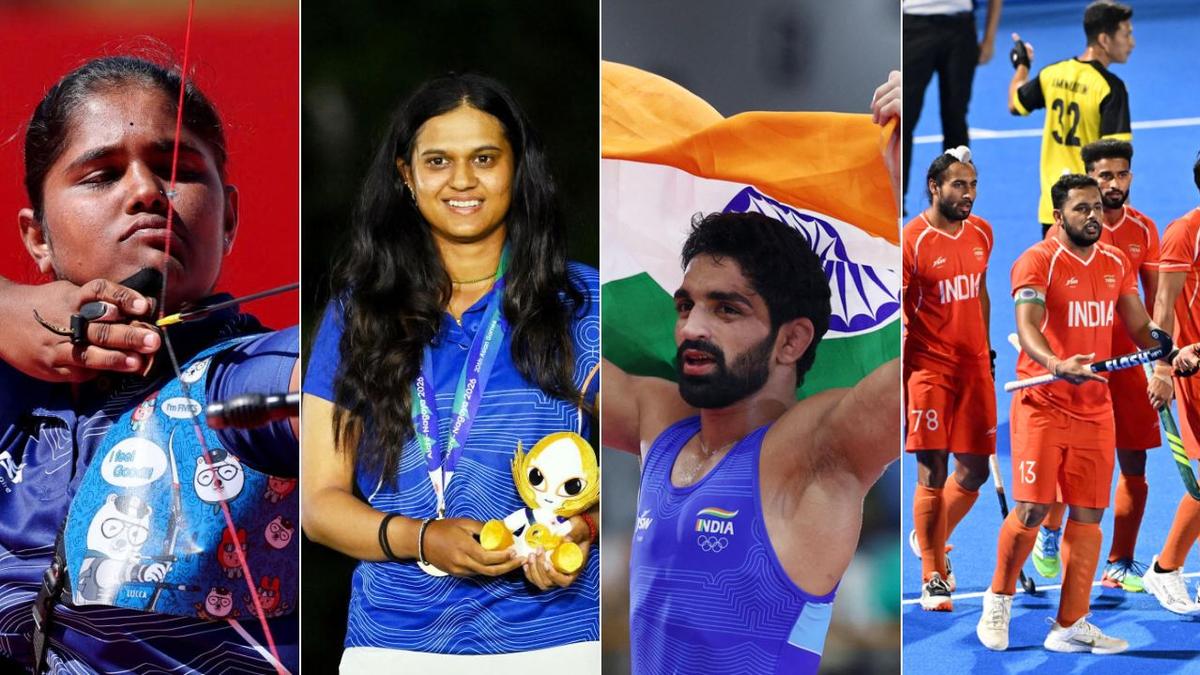
India Achieves Fourth Place at Asian Games 2026 Through Late Success