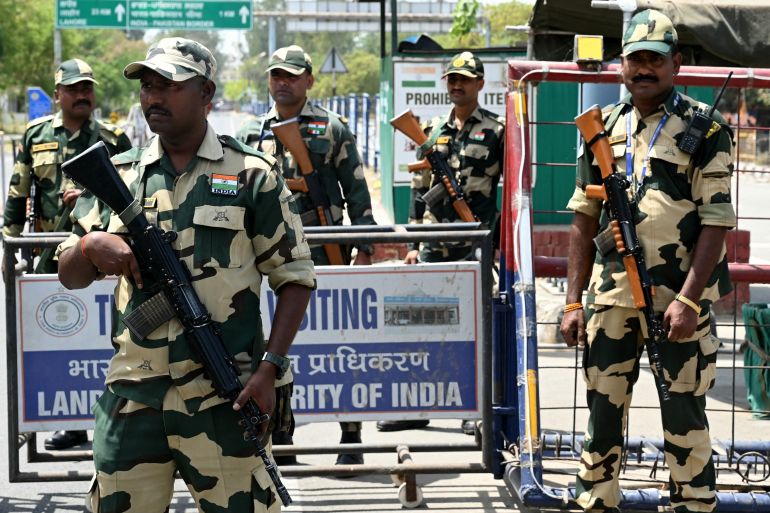
Greenland Acquisition Debate Highlights Tensions Around NATO


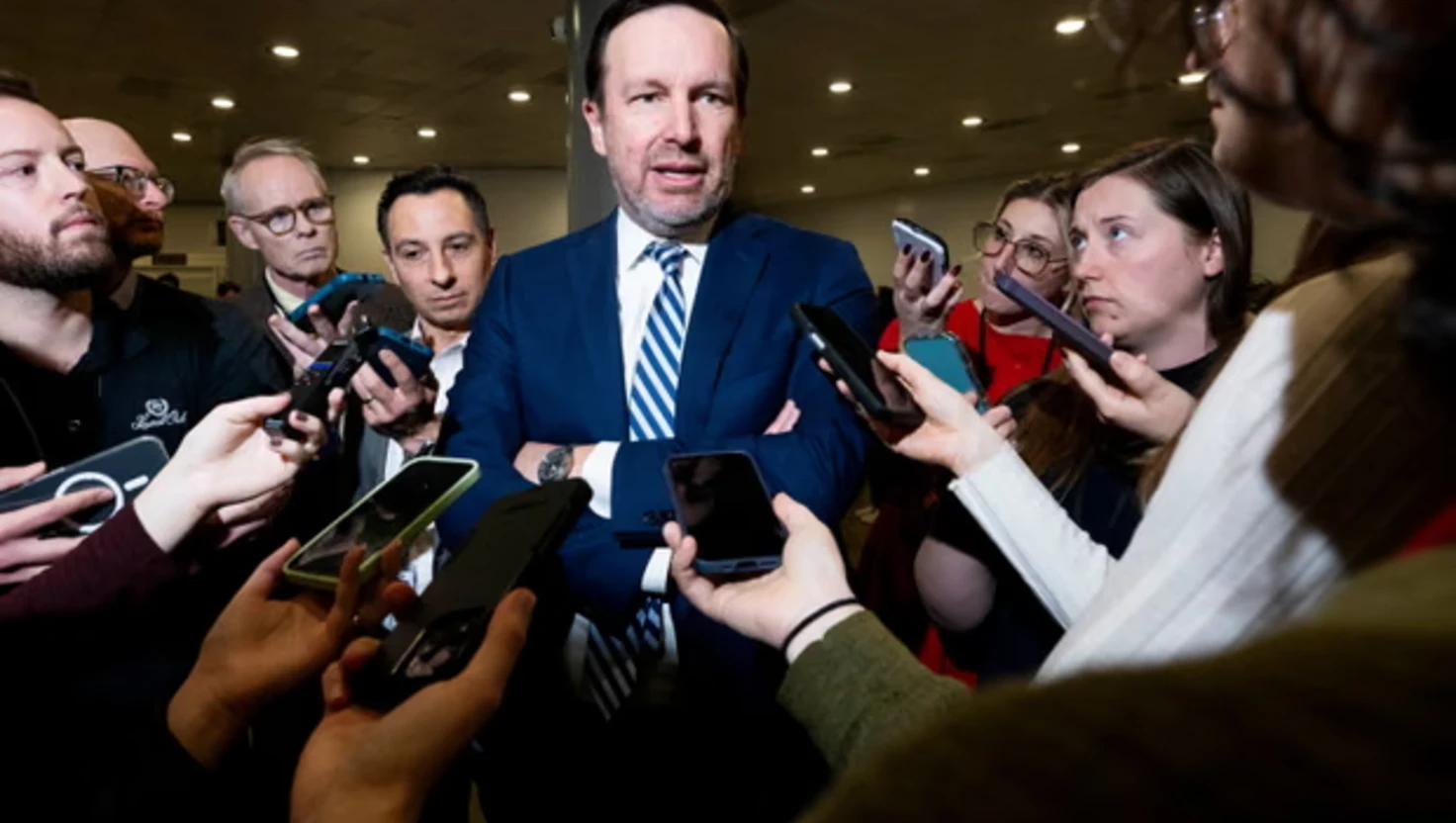
US Senator Chris Murphy, a Democrat from Connecticut, has raised concerns regarding the potential consequences of any plans for the United States to annex Greenland. He suggested that such an action could jeopardise the North Atlantic Treaty Organization (NATO), which is a strategic alliance formed by 30 countries, primarily from North America and Europe. Murphy's comments come in response to former President Donald Trump's recent assertions that Greenland should be acquired by the United States.
During a public statement, Murphy remarked, "The idea of annexing Greenland would be a destabilising action that undermines NATO’s core principles. The alliance relies heavily on mutual respect and cooperation between members."
Trump, who previously expressed interest in purchasing Greenland in 2019, has maintained that controlling the island could enhance US strategic interests in the Arctic region. He has argued that Greenland's vast resources and strategic location make it a valuable asset for national security, claiming, "The defense of Greenland is minimal; they rely on two dog sleds."
The debate over Greenland has rekindled discussions about US foreign policy and military commitments, especially in light of increasing Russian activity in the Arctic. As countries worldwide seek to assert their influence in polar regions, critics of Trump's approach argue that focusing on territorial expansion is misguided, particularly when pressing issues such as healthcare and food aid are at stake.
Murphy emphasised that current US foreign policy should prioritise immediate humanitarian crises rather than geopolitical maneuvers. He stated, “Instead of looking to acquire lands, we need to address the pressing issues faced by Americans at home and abroad.”
The prospect of acquiring Greenland has also raised concerns among NATO allies. Many leaders in Europe view the proposal as indicative of an isolationist approach to foreign policy, which they fear could weaken transatlantic ties. They argue that diplomatic engagement, rather than acquisition, is essential to maintaining stability in the Arctic and beyond.
As the debate continues, the emphasis on collaboration within NATO appears more crucial than ever. Observers worry that proposals focused on territorial claims may detract from the alliance’s primary goal of collective security against emerging threats.
In contrast, supporters of the Greenland acquisition argue that it could bolster US presence in a region that is increasingly important due to climate change and militarisation. The Arctic is becoming more accessible due to melting ice, prompting competition for resources among nations.
The discussions surrounding Greenland encapsulate broader dynamics of power and influence in global politics. As the US navigates its role within NATO and its relationships with Arctic nations, the implications of any territorial ambitions may resonate for years to come. Observers of international relations will be watching closely to see how this latest development unfolds and what it means for the already complex geopolitical landscape.
Kerala Initiates Probe into 2006 Suicide Case Involving CEC

Extradition of Sheikh Hasina Feasible, Says Indian High Commissioner

Punjabi Makeup Artist Mad Sandhu Shot Dead in Amritsar

India Achieves Fourth Place at Asian Games 2026 Through Late Success