Iran Proposes Fund Agreement for Strait of Hormuz Reopening


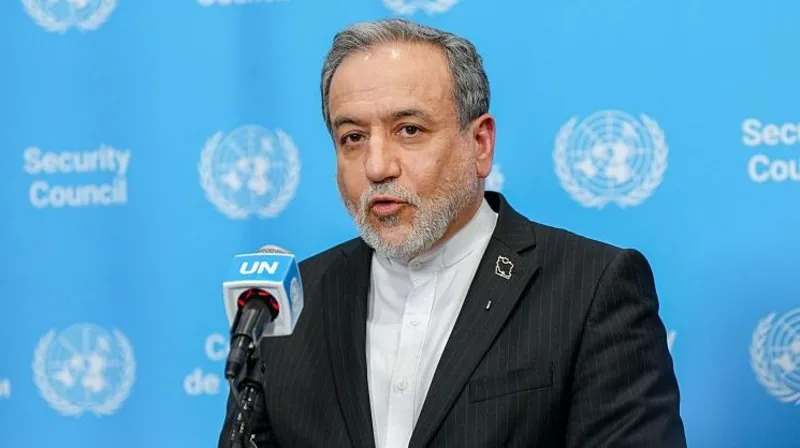
Iranian Foreign Minister Abbas Araghchi announced that Iran has proposed a deal to the United States, aiming to reopen the Strait of Hormuz within seven days. Speaking at a news conference during the United Nations gathering in New York, Araghchi stated that this timeframe is feasible if specific conditions are fulfilled. He emphasized that these conditions are outlined in a memorandum of understanding (MOU) signed in June.
"The choice now rests with the United States," he remarked, revealing that the proposal was communicated to Washington through intermediaries in Qatar. In response to the Iranian offer, a US official acknowledged that constructive discussions were ongoing through mediators, including topics related to nuclear matters.
Tensions in the region escalated earlier this week when US President Donald Trump warned of severe repercussions for Iran, stating he could "annihilate the Islamic Republic." On 28 February, the United States, alongside Israel, conducted air strikes against Iranian positions, prompting Iran to retaliate with attacks on US and Israeli military locations in the Gulf, as well as actions to obstruct shipping through the Strait of Hormuz.
The strait is a critical chokepoint for global oil and liquefied natural gas shipments, with around 20% of the world's oil passing through it prior to the conflict. Its closure has resulted in significant fluctuations in energy prices and has intensified pressure on Trump to resolve the ongoing situation, especially as the United States approaches Congressional elections in November.
"If the necessary conditions are met, the strait can be reopened, a normal maritime passage restored within seven days," Araghchi reiterated. He did not clarify what specific actions Iran expects from the US but noted that the required measures are included in the existing MOU. "I can tell you if there is seriousness in the US side to come to a deal and reopen the Strait of Hormuz, everything is now prepared," he added.
A US official, however, conveyed that the United States feels it is in a strong position regarding control over the Strait of Hormuz and does not feel rushed to make a decision. The MOU between the United States and Iran, signed on 18 June, aimed to establish a ceasefire and facilitate partial reopening of the Strait of Hormuz. It called for an end to military activities on all fronts, a cessation of US naval blockades, and the provision of safe passage for commercial vessels through the strait.
Despite the initial agreement, it collapsed shortly after as both parties resumed military actions. Iran has reportedly targeted vessels that it claims tried to navigate through the Strait of Hormuz without proper authorisation, while the US has carried out strikes against Iranian targets, maintaining its blockade on Iranian ports, which has severely impacted the Iranian economy.
Recent shipping data indicates a decrease in the number of vessels transiting through the strait, with figures reported as low as nine vessels on certain days. Meanwhile, the Houthi movement in Yemen, allied with Iran, has increased its assaults aimed at disrupting Saudi oil exports via the Red Sea.
This month, the Houthis captured crucial areas along the Red Sea coast, such as the port of Mokha, which is strategically located near the Bab al-Mandab Strait, another key maritime route. The situation has continued to worsen, highlighted by Houthi attacks on vital Saudi oil facilities.
Reports from US media suggest that Saudi Crown Prince Mohammed bin Salman has sought military backing from President Trump. During his recent address at the UN General Assembly, Trump expressed optimism that a deal with Iran, which has been elusive so far, could be achievable after the upcoming elections. He posed the provocative question: "Will a deal be made with Iran that allows them to rebuild and create a far greater country than it ever was before?" On the other hand, he also suggested a more aggressive military response to Iran.
Amid these developments, Abbas Araghchi made it clear that Iran would not accept coercion or intimidation, asserting that peace cannot be established through threats of annihilation.

Court Allows Seven Foreign Nationals to Return Home in Drone Case
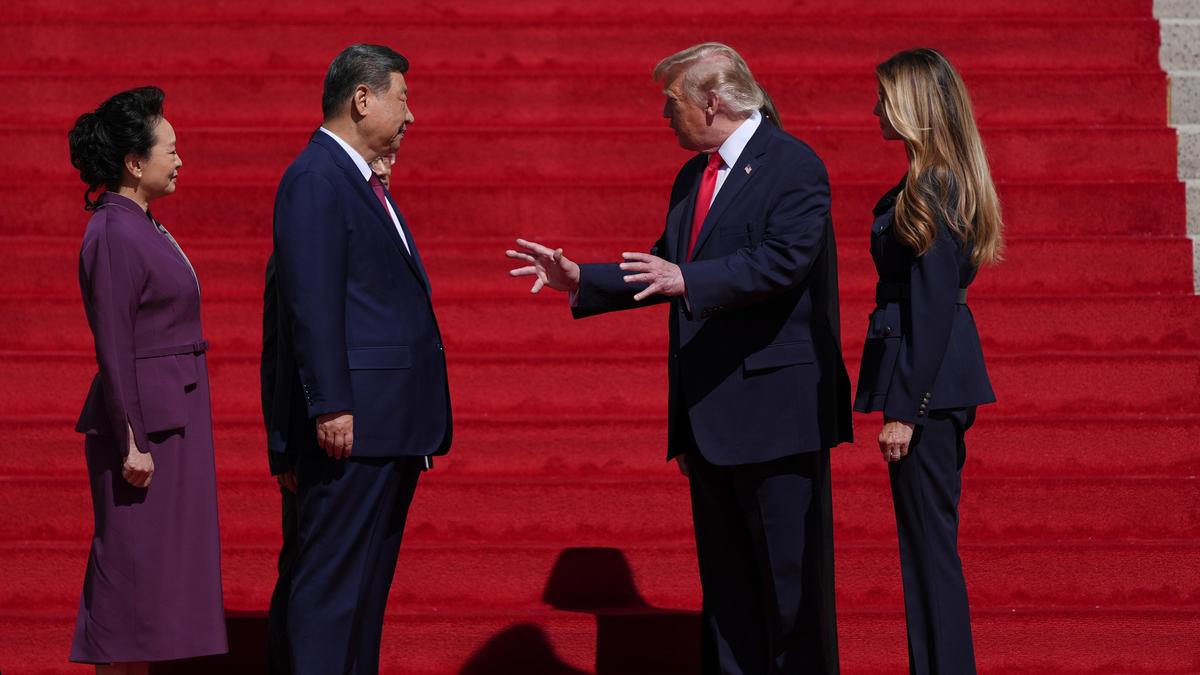
Trump and Xi Discuss AI and Iran During Productive Meetings
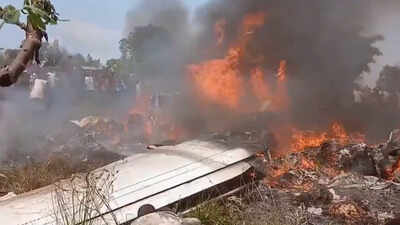
Congo Plane Crash Claims 14 Lives, Including Military Officials
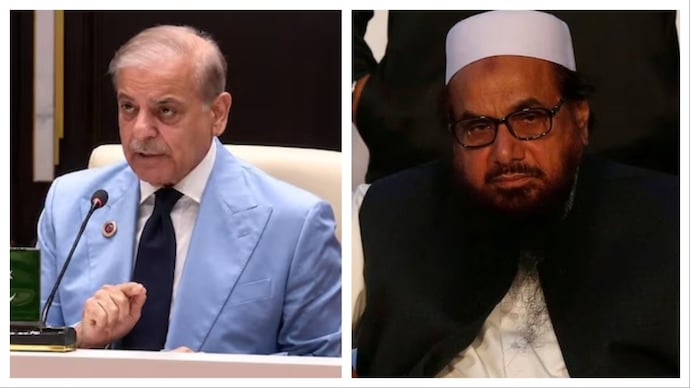
Pakistan Prime Minister to Address UN General Assembly on Kashmir