Iran and Oman Propose New Management for Strait of Hormuz


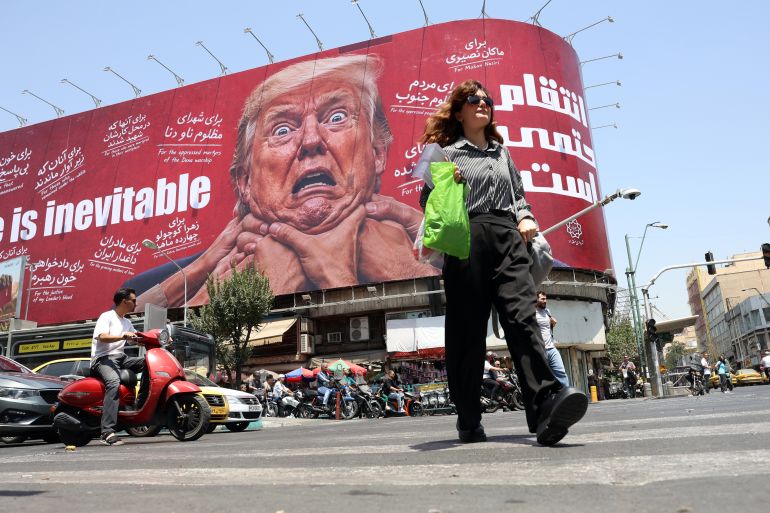
Iran and Oman are currently negotiating management proposals for the critical Strait of Hormuz, a key maritime route for global oil and liquefied natural gas shipments. Recent tensions have arisen over control of this vital waterway, with Iran rejecting Oman’s initial joint oversight proposal and presenting an alternative plan that seeks greater control for Tehran.
Kazem Gharibabadi, Iran's Deputy Foreign Minister, addressed the nation's state television, explaining that Oman's initial offer lacked adequate measures to satisfy Iran's security concerns. His statements indicated that Iran's proposal would ensure the nation has more authority over the strait, which not only holds geographical significance but also stands at the centre of recent geopolitical conflicts, particularly between Iran and the United States.
Since the onset of hostilities in late February, involving US-Israeli actions against Iran, the Strait of Hormuz has seen significant disruptions. Approximately 20% of the world's oil and liquefied natural gas passes through this narrow passage. Following Tehran's decision to close the strait early in the war, the US imposed a blockade in retaliation, complicating the regional security landscape further.
An existing memorandum of understanding (MoU), signed by Iran and the US on June 17, aimed to restore shipping operations for a defined period. Nonetheless, ambiguity within the agreement has led to disputes regarding control and shipping routes through the strait, which traverses both Iranian and Omani territorial waters. These issues have intensified military actions, further straining diplomatic relations.
Oman's proposal included a 50-50 joint control mechanism over the strait, allowing both countries to manage shipping lanes. Gharibabadi mentioned that this joint mechanism would allocate lanes along their respective coastlines, facilitating a resolution similar to maritime agreements elsewhere, like the Strait of Malacca.
Under the Gulf Cooperation Council's auspices, Oman's plan anticipated voluntary fees from ships using the strait, similar to arrangements made in the Malacca Strait for navigation and environmental protection. However, Gharibabadi indicated Iran's national security concerns ultimately led to the rejection of this proposal.
Instead, Iran’s counterplan envisions a layout where one shipping route entirely resides within Iranian territorial waters, with a portion of an alternative route potentially extending into Omani territory. Gharibabadi stated that Iran's model would enable oversight of both incoming and outgoing maritime traffic, asserting that if Oman does not accept Iran's proposal, the strait could remain closed.
The ongoing discussions also consider additional routes for shipping, with suggestions of three potential lanes that could accommodate traffic variations. Meanwhile, factors such as ship trajectories, fees, and the management of maritime operations remain contentious points requiring resolution.
Academic and regional analysts, including Paul Musgrave from Georgetown University, noted economic implications regarding the proposed fee structures, highlighting a significant disparity between the expected revenues compared to global industry standards. While the Malacca Strait’s fee system generates around $70 million annually, reports suggest Tehran seeks approximately $1 million per vessel, purportedly to fund reconstruction efforts following the conflict-related infrastructure damage.
As diplomatic engagements continue, the situation in the Strait of Hormuz remains precarious. Any agreement reached will be crucial in determining not only regional security but also the stability of global oil supply chains reliant on this vital waterway.

Rescue Efforts Underway in Kumamoto After Severe Earthquake

Omicron RF.5 Variant Detected in All COVID-19 Cases in Andhra Pradesh

Spider-Man: Brand New Day Receives Modifications for India Release

Indian Universities Urged to Prioritise Academic Focus Amid Protests