Iran's Leadership Dynamics Shift Amid Hardline Military Rise


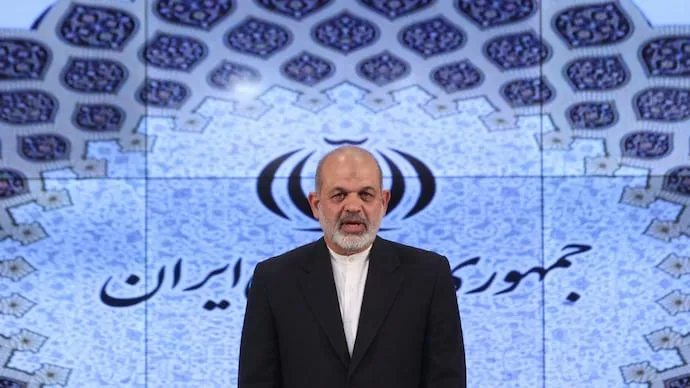
In a recent statement, United States President Donald Trump announced the extension of a ceasefire with Iran, claiming that the Iranian government is fundamentally unstable. However, recent developments within Iran suggest a different narrative; power appears to be consolidating within a hardline military and security core, indicating a reconfiguration rather than a fracture of the leadership.
Following the initial talks between the United States and Iran, held in Islamabad, Iran’s Foreign Minister and chief negotiator, Abbas Araghchi, initially indicated that the Strait of Hormuz would remain open, demonstrating a willingness to negotiate contentious issues like nuclear enrichment. However, this stance changed rapidly after backlash from state-run media, which accused Araghchi of unintentionally giving President Trump an upset. Shortly after, Iran's armed forces proclaimed that the Strait had been closed again, citing a persistent US naval blockade.
Analysts now contend that, rather than signalling a disordered system, these events reveal a tightly coordinated network involving the Islamic Revolutionary Guard Corps (IRGC), the Supreme National Security Council (SNSC), and politically active figures with strong military connections. The IRGC chief, Ahmad Vahidi, has emerged as a leading figure within this establishment, supported by security chief Mohammad Bagher Zolghadr.
The IRGC, founded following the 1979 Islamic Revolution, has transformed into the most potent institution in Iran, functioning effectively as a military force, intelligence network, and political influencer. The organisation has established significant economic foundations, allowing it to overshadow formal state apparatuses due to sanctions and conflict-driven growth.
Experts describe Iran not merely as a state with military strength but as a military-security framework with a state surrounding it. Civilian leaders, including President Masoud Pezeshkian, Parliament Speaker Mohammad-Bagher Ghalibaf, and Foreign Minister Abbas Araghchi, act primarily as figureheads tasked with implementing decisions made by the security establishment.
At the core of this evolving hierarchy is Ahmad Vahidi, now at the helm of the IRGC and one of the most influential figures in Iran today. A founding member of the Guards and a former commander of the Quds Force, Vahidi represents the hardline faction, consolidating significant power across various security mechanisms. He is perceived as leading the aggressive strategy aligned with Iran’s broader interests, even overseeing negotiations for ceasefire agreements and military escalation policies.
Vahidi is viewed as a key architect of Iran’s extensive network of allied militias and proxy organisations, with strategic efforts directed towards extending influence across the region, particularly in Lebanon and Iraq. His influence extends to establishing fundamental boundaries in Iran's diplomatic approach, ensuring the protection of missile development and nuclear capabilities.
Despite being under sanctions from the United States and other entities due to terrorism and nuclear ties, his dominance within the IRGC has markedly reduced civilian authority within Iran, limiting leaders' diplomatic manoeuvrability. This diminished agency was highlighted during the Hormuz situation, whereby Araghchi’s comments were promptly superseded by military statements.
Speaker Ghalibaf also stands as a prominent voice, demonstrating integration within the broader security structure rather than simply fulfilling a parliamentary role. Additionally, Supreme Leader Ayatollah Mojtaba Khamenei, holding the title since his predecessor's death, is perceived by some as operating within a collective decision-making framework, rather than exerting solitary authority.
The death of senior leaders during ongoing conflicts alongside weakened traditional institutions has enabled the IRGC to further entrench its grasp over both strategic military and political landscapes. Analysts suggest that as Ahmad Vahidi increasingly commands influence, Iran may adopt a more aggressive stance in its regional and international affairs, steering it toward potential confrontations.
Kerala Initiates Probe into 2006 Suicide Case Involving CEC
Extradition of Sheikh Hasina Feasible, Says Indian High Commissioner

Punjabi Makeup Artist Mad Sandhu Shot Dead in Amritsar
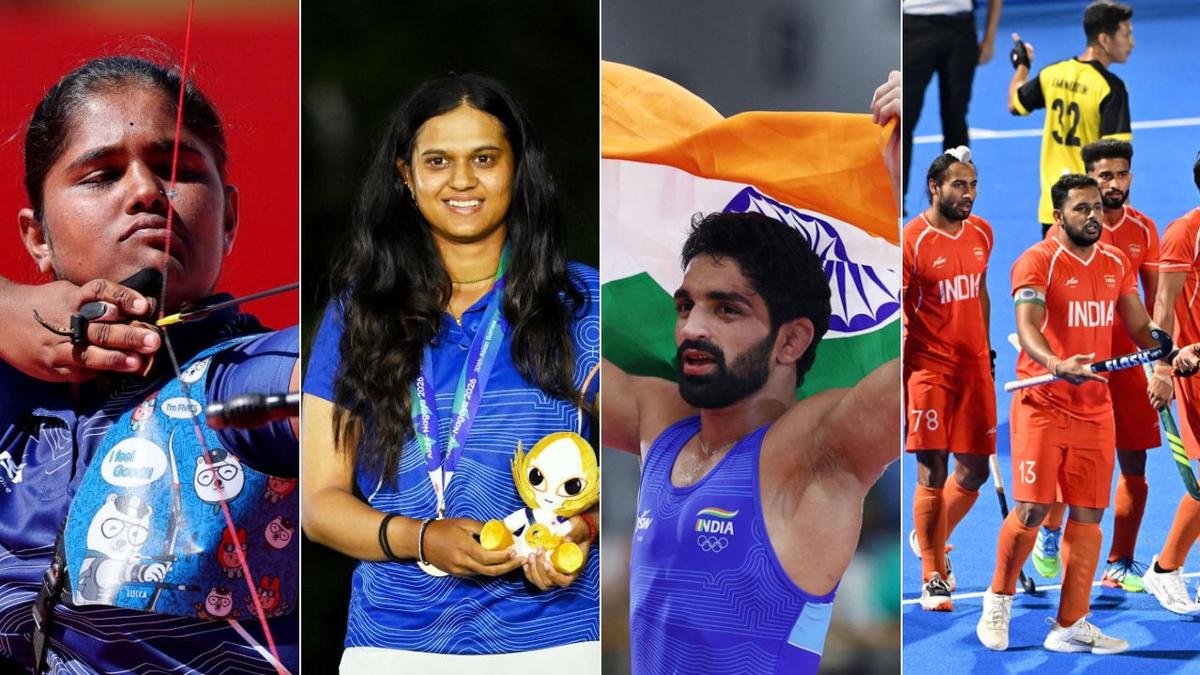
India Achieves Fourth Place at Asian Games 2026 Through Late Success