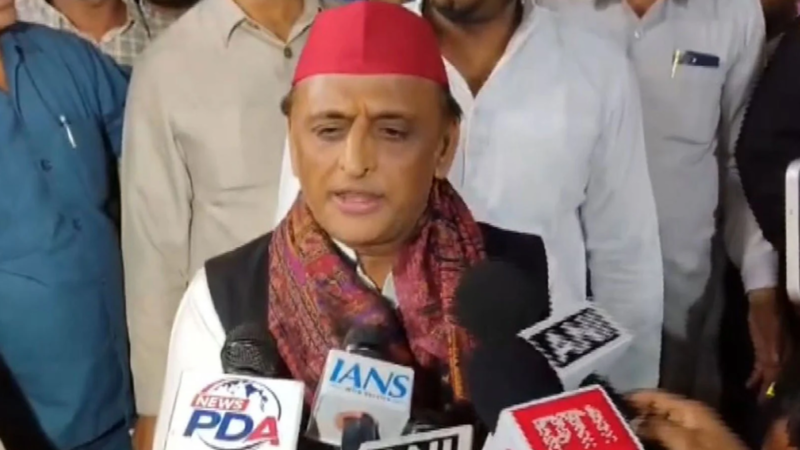
Iran Expresses Doubts Over US Peace Deal Amid Ongoing Conflict


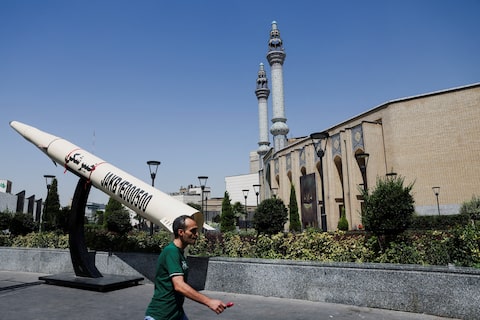
Tensions remain high in West Asia as Iranian officials express scepticism about a potential peace agreement with the United States aimed at ending ongoing hostilities in the region. As conflicting narratives emerge regarding the proposed memorandum of understanding, Iran's Deputy Foreign Minister Mohammad Bagher Ghalibaf stated on June 14, 2026, that there seems to be 'no point' in further negotiations if the US fails to fulfil its obligations.
Iran’s news agency, Fars, reported that Tehran has not yet finalised its stance on the agreement currently under discussion. A source close to the Iranian negotiating team, cited by Fars, indicated that no definitive decision has been reached.
Reports from various parties involved in the conflict reveal contrasting perspectives on the contents of the proposed deal. Each side appears to be attempting to portray itself as emerging from the war in a position of strength. For instance, U.S. President Donald Trump claimed on social media that a deal could be signed on Sunday and outlined that the strategic Strait of Hormuz would be 'open to all' immediately following its ratification. However, Iranian Foreign Ministry spokesman Esmaeil Baqaei later clarified that the date for signing had yet to be determined, although he did not dismiss the possibility of a deal in the near future.
Beneath these diplomatic exchanges, tensions flared on the ground. Reports of Israeli airstrikes striking areas in southern Beirut, particularly the Ghobeiry neighbourhood, were confirmed by Lebanon’s civil defence agency. It noted the casualties from the strike, indicating that at least three individuals were killed and several others injured. In response to these developments, Iranian military officials, including the deputy commander of Iran’s Khatam al-Anbiya Central Headquarters, declared that Israel's actions in Lebanon would face consequences.
In parallel, protests erupted in Iran where demonstrators voiced their opposition towards the chief diplomat Abbas Araghchi, calling him an 'infiltrator' amid concerns that the peace deal compromises Iran’s strategic position, particularly concerning the Strait of Hormuz.
Given the recent violence and Iranian concerns over concessions made in negotiations, Ghalibaf's remarks underscore the fragility of the current peace discussions. He stated, 'The United States either lacks the will to implement its commitments or lacks the ability to do so,' casting doubt on the possibility of reaching a stable resolution to the ongoing conflict.
As the situation evolves, the international community continues to monitor developments closely, with the prospect of a signed agreement in the air but with significant reservations expressed by Iran. Negotiators from both the U.S. and Iran remain engaged, but mistrust appears to be a significant barrier to achieving lasting peace in the region.
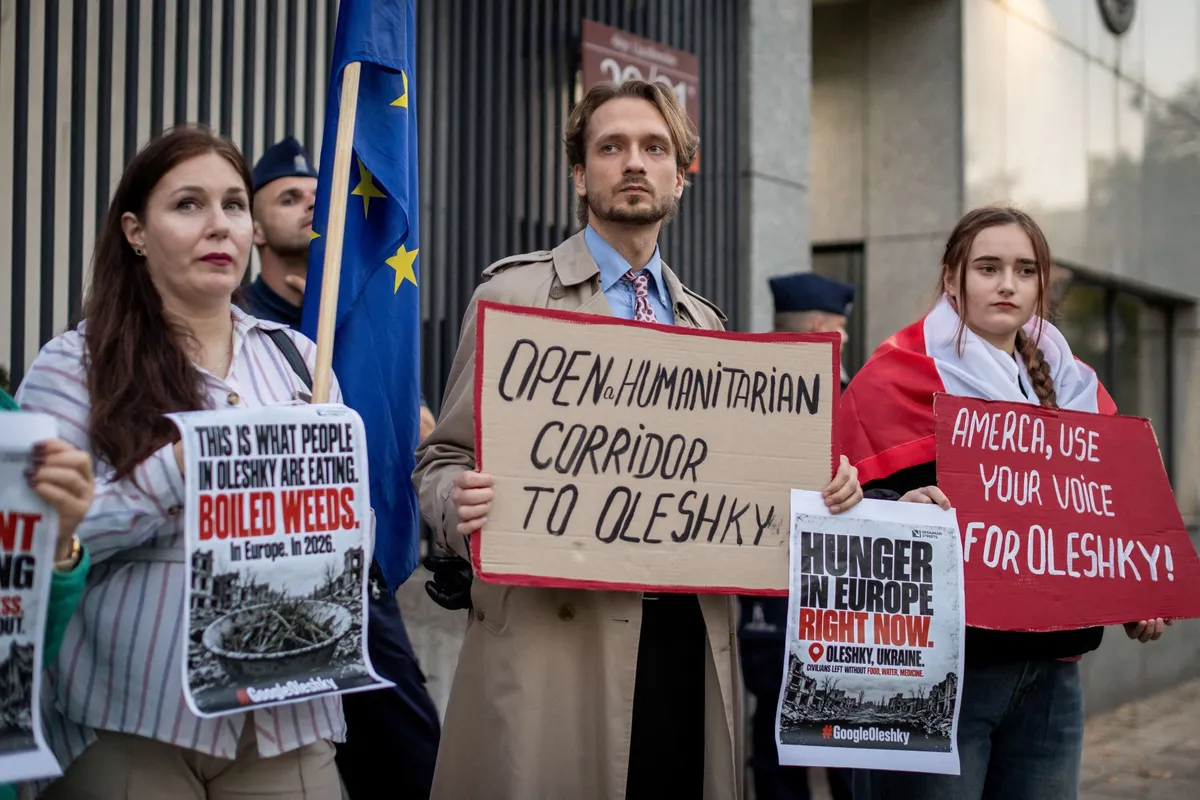
Ceasefire Agreed in Oleshky Amid Ukraine's Humanitarian Crisis
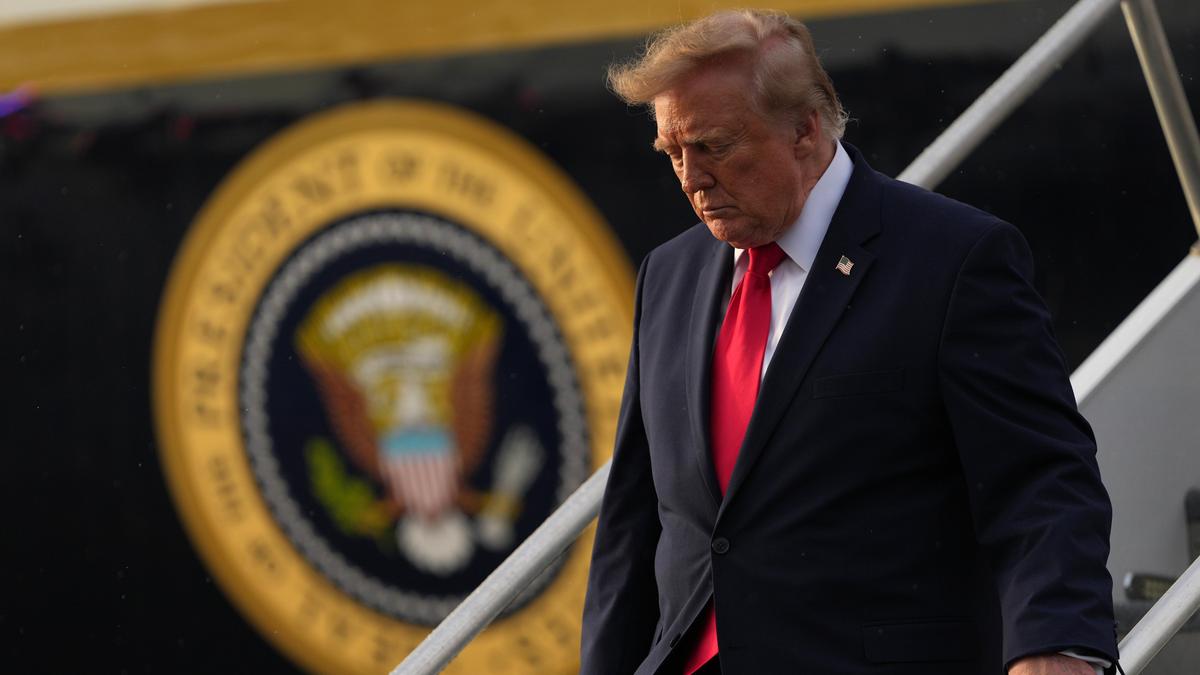
Donald Trump Hints at US Interest in Cuba After Conflict in Iran
UK Court Rules Against India in RAKIA Investment Dispute
India Raises Concerns Over Chinese Border Patrolling Deviations