Iran Conflict Affects Global Oil Supply and Prices


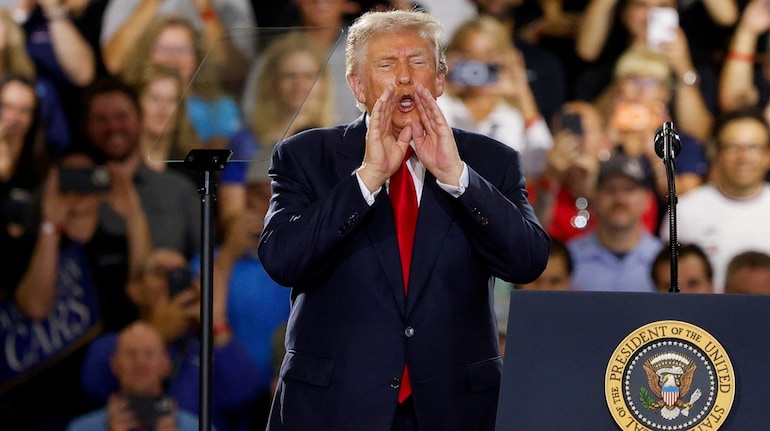
Crude loadings at the Yanbu port in Saudi Arabia have been halted, according to two sources familiar with the situation. This stoppage comes amid rising tensions between the United States and Iran, which intensified following President Donald Trump's announcement of "major combat operations" against Iran on February 28, targeting military installations and infrastructure.
Negotiations between U.S. and Iranian officials began in June to pursue a war-ending deal but broke down as military actions escalated, particularly in the strategically critical Strait of Hormuz. This waterway has become a focal point for potential conflicts, impacting global energy supply routes.
Vice President JD Vance stated that the war with Iran is poised to enter a substantially different phase in the coming months. In an interview with the New York Post, Vance commented, "We can’t predict the future, but I think the president is right to say that this thing will enter a much different phase in a couple of months. He’s also the commander in chief, so he’s the person who determines … when conflicts start and when they stop."
Concerns about the economic impact of the ongoing conflict continue to grow. Andy Lipow, president of Lipow Oil Associates, articulated the potential consequences for U.S. consumers. He stated, "You would be really concerned if you are a heating oil customer up in the New England area, the Northeast, because you're going to have absolute sticker shock."
As of the end of July, the war with Iran has reportedly cost the United States approximately $38 billion. A recent assessment by the nonpartisan Congressional Budget Office (CBO) projected that these costs will further exacerbate inflation for American households. The CBO's report highlighted ongoing financial and military ramifications that could hinder the Pentagon's capacity to manage future conflicts, as depleted weapon stockpiles may take years to replenish.
While the CBO indicated that the Pentagon had not cooperated with their analysis, the Department of Defense did not respond to requests for comment.
In another development, Secretary of State Marco Rubio held a telephone conversation with Oman’s Foreign Minister Sayyid Badr al-Busaidi, acknowledging Oman's role in de-escalation efforts in the region. According to State Department spokesperson Tommy Pigott, Rubio condemned recent Iranian assaults on commercial vessels and reiterated America’s commitment to prevent Iran from acquiring nuclear capabilities and maintaining freedom of navigation through the Strait of Hormuz.
The dialogue between Rubio and al-Busaidi underscored support for enhancing U.S.-Oman ties and developing diplomatic strategies aimed at stabilising the region. The Omani foreign ministry indicated that both leaders discussed measures to alleviate tensions and foster conditions conducive to addressing unresolved regional issues.

Odisha Government Denies Premature Release of Dara Singh

BJP Allies Express Caution Over Uniform Civil Code Announcement

Nirmala Sitharaman Encourages Youth to Prioritise Nation's Needs

IndiGo Flight Diverted to Lucknow Following Smoke Alarm Warning