Iran Comments on Saudi-Pakistan-Turkey Agreement and US Relations


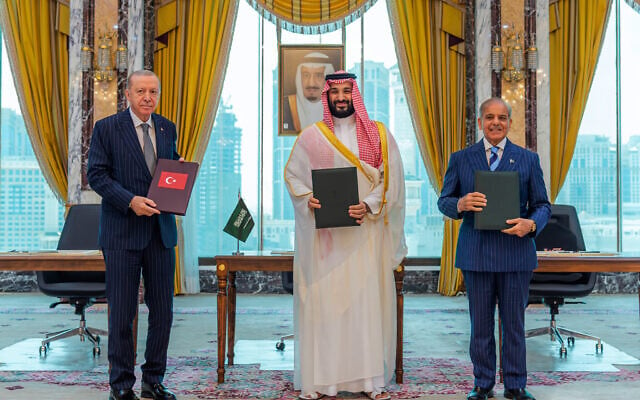
Iranian officials have reacted to a trilateral agreement between Saudi Arabia, Pakistan, and Turkey, interpreting it as indicative of changing dynamics in perceptions towards the United States. This statement reflects Tehran's analysis of the evolving political landscape in the Middle East.
The agreement, which focuses on cooperation in various fields, is viewed by Tehran as a sign of realignment among regional powers. Iranian spokespersons suggest that this shift may undermine previous reliance on Western alliances, particularly in relation to the United States.
Iran has historically been critical of US involvement in the region and has consistently sought to strengthen its own ties with neighbouring countries. The recent agreement, officials argue, indicates a broader move towards multilateral engagement among Islamic nations.
A spokesperson for Iran’s foreign ministry stated, "This agreement demonstrates a significant change in the perceptions of regional countries towards the United States and its role in the region.” This remark highlights Tehran’s perspective that regional cooperation may serve as a counterbalance to Western influence.
The trilateral cooperation, analysts suggest, could signal a more unified stance among these countries on various political and security issues. As nations reassess their foreign policies, Iran’s officials believe that collaborations like this may become more prevalent, showcasing a moment of transformation in regional alliances.
Furthermore, the implications for regional stability are being closely monitored by international observers. As the geopolitical landscape continues to evolve, the response from other major powers, including the United States, remains crucial. Analysts predict that this agreement could lead to increased diplomatic engagement among the involved countries, potentially reshaping their relationships with global powers.
In conclusion, Iran's interpretation of the Saudi-Pakistan-Turkey agreement highlights its concerns about shifting regional dynamics and the implications for future relations with the United States. The development underscores the complexity of geopolitical interactions in the Middle East as alliances and perceptions continue to transform.
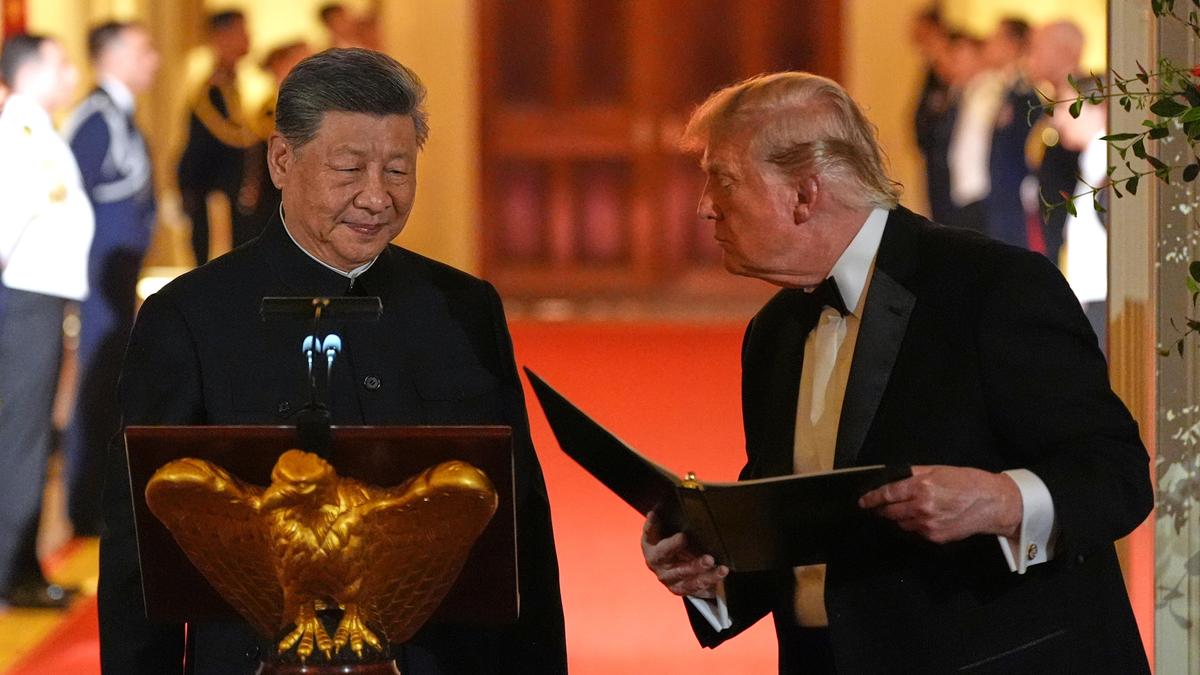
Trump and Xi Discuss Trade, AI, and Taiwan Amid Diplomatic Tensions
Xi Jinping Seeks Greater Concessions from Trump Amid Trade Talks
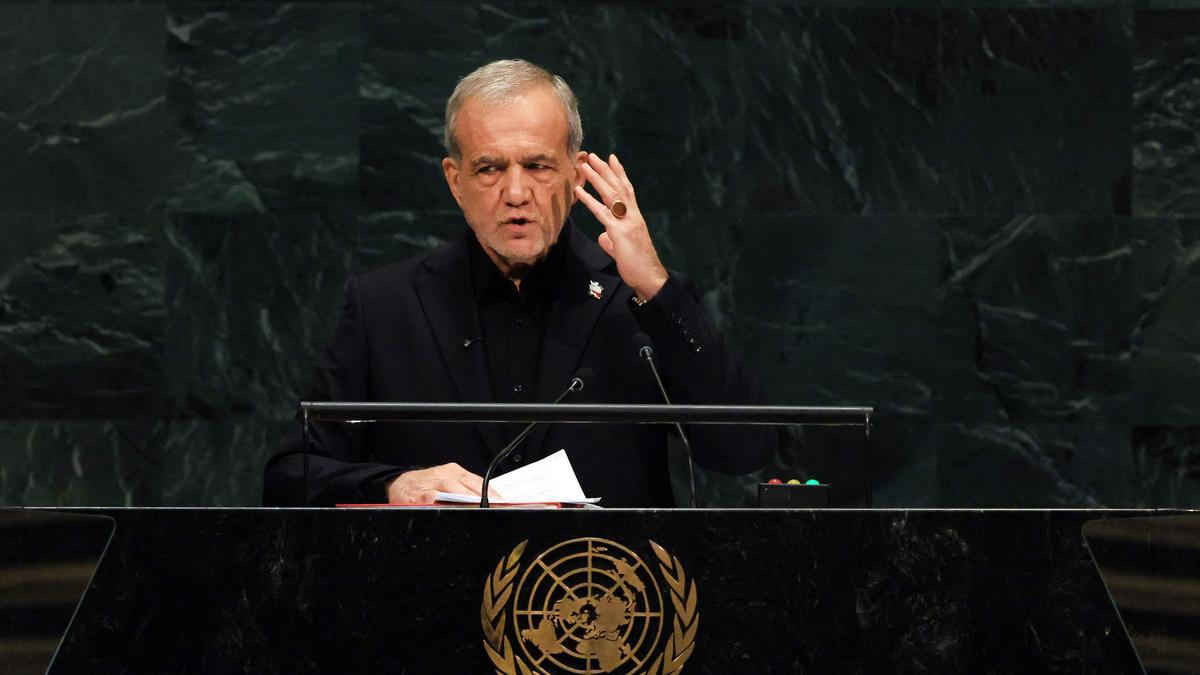
Iran's President Addresses Ongoing Conflict and External Threats
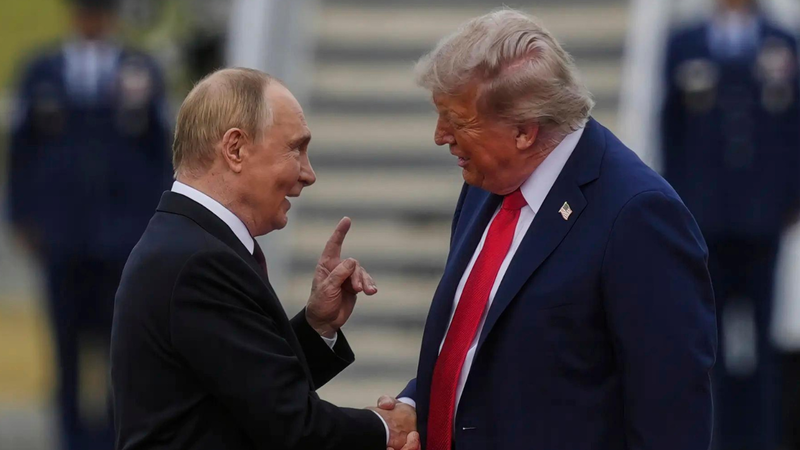
United States Invites Vladimir Putin to Miami G20 Summit