International Court May Rule on Myanmar Genocide Against Rohingya


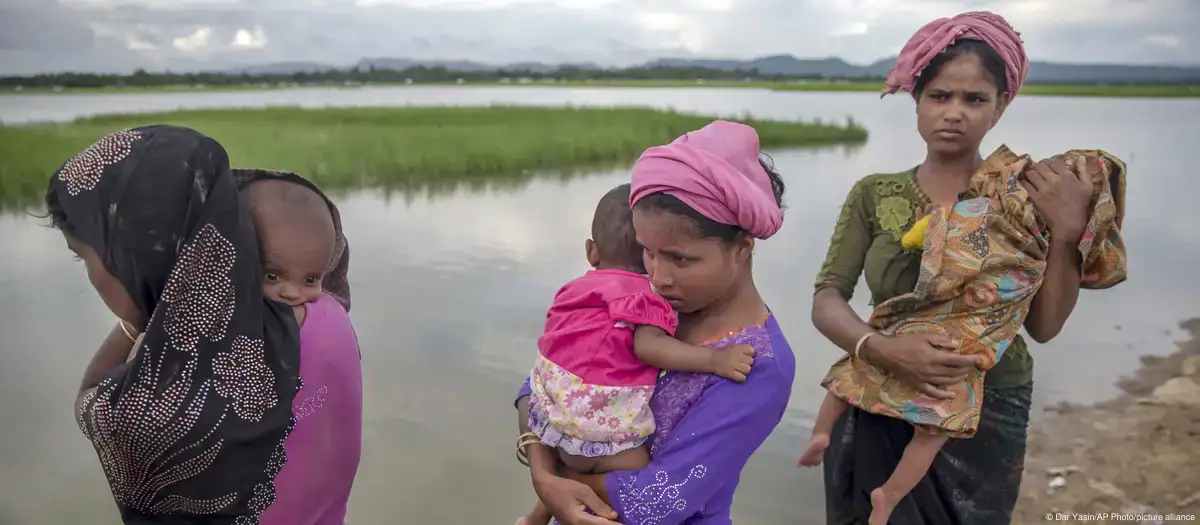
The International Court of Justice (ICJ) is poised to announce its verdict on a significant case that accuses Myanmar of committing genocide against its Rohingya minority. This appeal was initiated by The Gambia in 2019, marking a critical moment in international law. The court's decision could establish a legal precedent by holding a state accountable for genocide, a scenario that has never occurred in its history. The ruling will be revealed at the Peace Palace in The Hague, with expectations that it will last approximately 90 minutes.
The context of this case dates back to 2017 when Myanmar's military launched a harsh crackdown in Rakhine State. This operation displaced over 730,000 Rohingya, forcing them to seek refuge in Bangladesh. Survivors have recounted harrowing experiences of violence, including mass rapes and the destruction of their villages. Their testimonies, corroborated by human rights organisations and a United Nations fact-finding mission, have led The Gambia to argue that these actions constitute genocide under the 1948 Genocide Convention.
Arsalan Suleman, who is leading The Gambia's case, highlighted the lack of accountability for state-sponsored genocide historically. “If we win, it would breathe new life into the 1948 Genocide Convention, reinforcing the principle of international accountability for state actions,” he stated.
Myanmar’s government has continually denied these allegations, asserting that its operations were legitimate counter-terrorism measures aimed at tackling threats from the Rohingya insurgent groups. They argue that there is no clear evidence of intent to commit genocide, which is a critical requirement under the convention.
The ICJ was selected to hear this case due to the limited options available for the Rohingya victims to seek justice. Under international law, states can file complaints against other states to address serious violations, and this marks a unique instance where a nation not directly affected has sought to enforce compliance with international humanitarian standards.
At the core of the legal arguments are claims concerning Myanmar's historical treatment of the Rohingya, which include systemic discrimination and deprivation of rights, dating back several decades. This legal case is significant not only for the Rohingya community but for implications on global norms regarding state accountability for genocide.
If the ICJ rules in favour of The Gambia, it could label Myanmar's actions as tantamount to 'the crime of crimes', aligning it with historical examples of state-perpetrated genocide. Such a verdict would impact the country's leadership and its image in the international community, particularly regarding General Min Aung Hlaing, who has been linked to the military's 2017 actions.
Despite the binding nature of the ICJ's judgment, enforcement mechanisms are limited once the ruling is handed down. The court's decisions cannot be appealed, leaving compliance largely dependent on international diplomatic pressure, which may involve further actions through the United Nations Security Council.
The Rohingya population, who now live in dire conditions in Bangladesh, continues to face enormous challenges, including overcrowded refugee camps and limited access to basic needs. The situation remains precarious, and the outcome of the ICJ’s ruling is awaited with great anticipation by many humanitarian organisations and advocates for the Rohingya rights.
As this landmark ruling approaches, its potential ramifications extend beyond the Rohingya and Myanmar, signalling a possible shift in how genocide cases may be approached in the international legal framework in the future. Other ongoing cases at the ICJ, including allegations concerning Israel's actions in Gaza, may also be influenced by the decision made in The Hague.
Counter-Terrorism Efforts Reduce Recruitment in Jammu and Kashmir
Islam Set to Surpass Christianity as Largest Religion by 2035
US Secretary of State Marco Rubio Applauds Recent Quad Meeting
IndiGo Suspends Flights to Saudi Arabia Amid Security Concerns