Islam Set to Surpass Christianity as Largest Religion by 2035


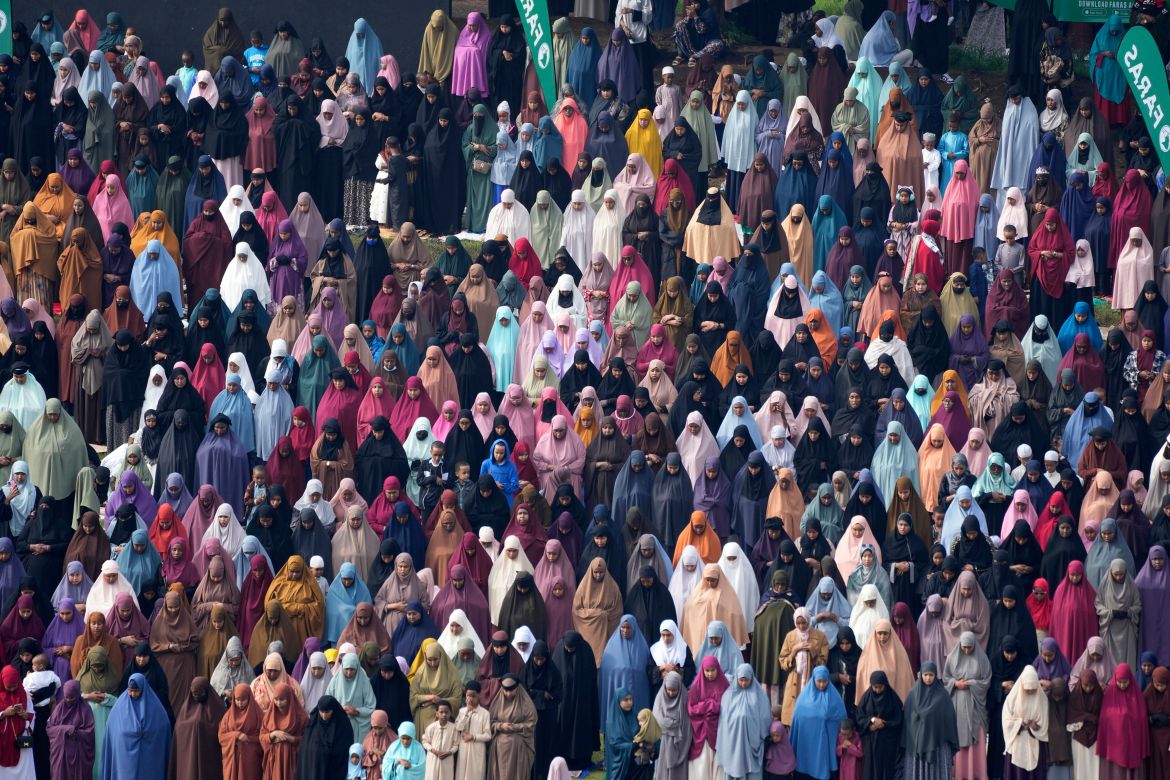
The Pew Research Center has published projections indicating that Islam will become the world’s largest religion by 2035. At present, Christianity holds the title of the largest religious group globally, with Islam in second place. However, demographic trends suggest that this hierarchy is about to shift dramatically.
Population Growth Rates
By 2035, the number of Muslims is expected to exceed that of Christians, largely due to higher birth rates. The Muslim population is growing more rapidly than any other major religious group, with a total fertility rate of 3.1 children per woman. This is contrasted with a rate of 2.5 children per Christian woman. For many other demographics, the average rate is significantly lower, at 1.6 children per woman, indicating a strong potential for population growth among these two religious groups.
Natural Population Change
Interestingly, both Muslims and Christians are projected to benefit from natural population growth, which is defined as the difference between the number of births and deaths. From 2020 to 2070, Muslims are anticipated to gain approximately 1.6 billion people primarily through births, while Christians are projected to increase by around 792 million during the same period.
Religious Switching
While some changes in religious affiliation might occur, these will have a limited impact on overall growth. Pew's analysis suggests that more people will likely leave Christianity than Islam, resulting in a projected net loss of 105 million Christians versus an 8 million loss for Muslims. This indicates that the conversion of individuals from one faith to another will not substantially alter these demographic trends. Specific estimates predict that 9.2 million Muslims will convert to Christianity, while 9 million Christians are expected to convert to Islam, showing that conversion will not be the primary driver for the overall increase in Islam.
Regional Changes
According to the report, significant religious growth will primarily occur in regions where one or the other group already constitutes a majority. For instance, by 2070, Muslims are projected to account for 74% of the expected growth in nations where they currently have a significant presence. One notable example is Pakistan, whose Muslim population could grow from 227 million in 2020 to 461 million by 2070, surpassing Indonesia as the country with the largest Muslim population.
In terms of Christianity, growth will largely be concentrated in about 120 countries where Christians form the majority, which is expected to result in an increase of 630 million followers. The Democratic Republic of the Congo is predicted to witness its Christian population rise dramatically, from 92 million in 2020 to 299 million by 2070.
Declines in Christian Populations
Despite expected increases in raw numbers, certain regions with historically large Christian populations may experience declines. The United States, which had the world's largest Christian demographic in 2020, is forecasted to decrease from 217 million Christians to approximately 174 million by 2070. This decline is attributed to factors such as aging populations and higher rates of disaffiliation from Christianity.
Muslim Populations in Different Regions
Throughout this transition, Muslims are anticipated to maintain a minority status in numerous regions worldwide while forming the vast majority in the Middle East and North Africa by 2070, where they are expected to make up 95% of the population. Notably, the Asia-Pacific region is projected to transition to Muslims being the largest religious group, overtaking the religiously unaffiliated.
Conclusion
The Pew Research Center's findings underscore significant shifts in global religious demographics. By 2070, while both Islam and Christianity will continue to grow, the projected rise of Islam positions it to become the world’s largest religion, driven by higher fertility rates and population dynamics within regions where Muslims already constitute a majority.
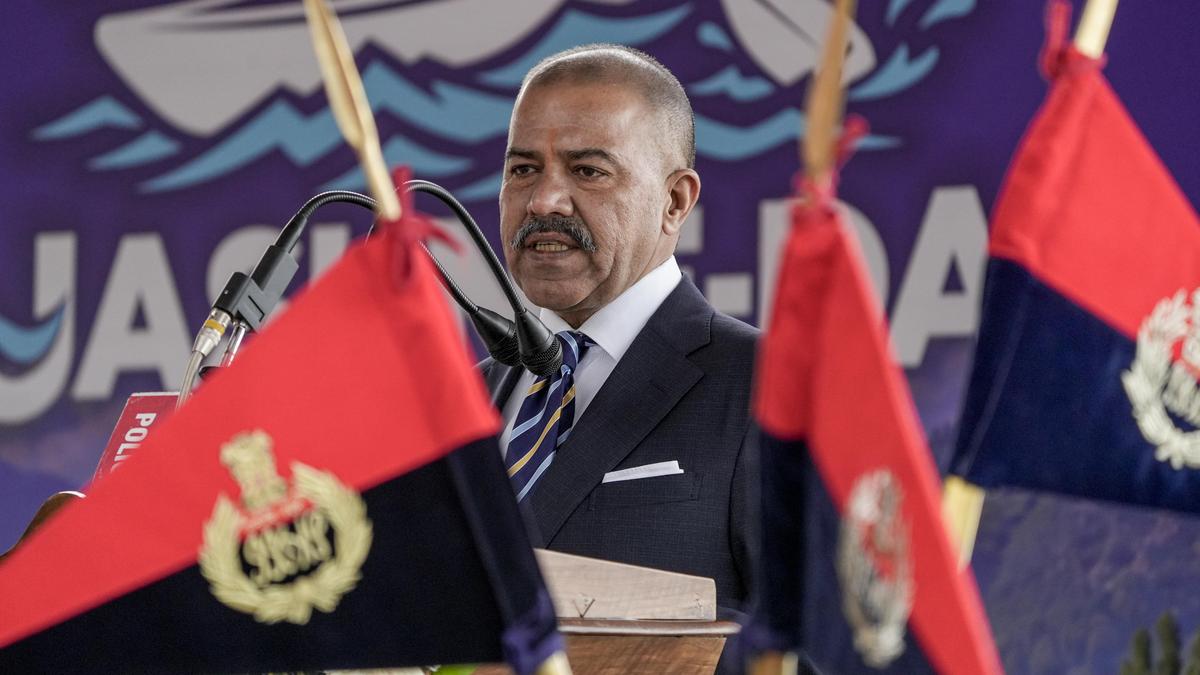
Counter-Terrorism Efforts Reduce Recruitment in Jammu and Kashmir
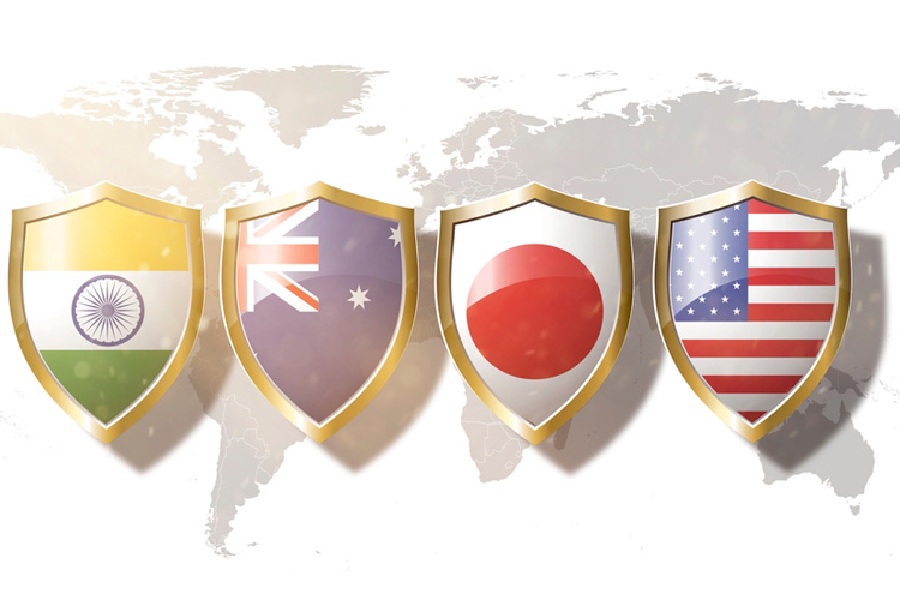
US Secretary of State Marco Rubio Applauds Recent Quad Meeting

IndiGo Suspends Flights to Saudi Arabia Amid Security Concerns

Xi Jinping Hosts Landmark Summit with Trump and Putin in Shenzhen