Innovative Research Turns Mosquito Bites into Malaria Immunity Boosters


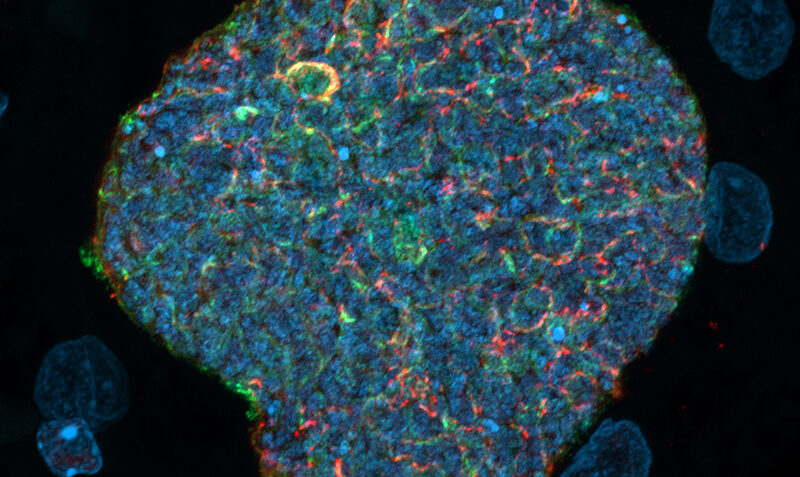
Researchers at the Walter and Eliza Hall Institute of Medical Research (WEHI) in Melbourne, Australia, have unveiled a groundbreaking approach to malaria prevention. This innovative strategy may redefine how mosquito bites are perceived, potentially transforming them from a vector of deadly infection into catalysts for immunity against the disease.
The study, published in the journal Science, demonstrates a novel vaccination strategy that primes the immune system to combat malaria parasites before they induce disease. Subsequent bites from mosquitoes could then serve as boosters to enhance immunity over time.
During the preclinical research, the team noted that their method successfully protected mice from malaria for the duration of the study, marking a significant advancement in the development of next-generation strategies for one of the world’s deadliest infectious diseases. Each year, malaria claims over 600,000 lives, predominantly affecting pregnant women and children under five years old. The World Health Organization (WHO) reports that a child dies from malaria in Africa every two minutes.
The urgency for novel approaches is underscored by the increasing resistance to existing malaria treatments. Traditional methods often struggle to prevent infections before they can take hold, creating a strong need for new strategies and drugs.
In their research, the WEHI team paired mosquito-delivered malaria parasites with investigational antimalarial drug compounds, developed in collaboration with the global biopharmaceutical company Merck and Co., Inc. (MSD). This combination effectively halted the parasites at a critical phase of their lifecycle, before they could enter the bloodstream and cause illness.
Associate Professor Justin Boddey, the corresponding author of the study and head of the laboratory at WEHI, stated, "Using this new drug compound, we’ve found a way to turn mosquito bites – the very thing that spreads malaria – into vaccination events in mice. This represents a shift in the way drugs could be employed to prevent malaria."
The compounds demonstrated an ability to trap malaria parasites at a critical late liver-stage of development. Until now, there had been no treatment capable of stopping parasites at this immunologically optimal stage. As stated by Professor Boddey, this allows the immune system to gain insights into the threats it faces.
By requiring only minimal doses of the parasite while generating a comprehensive and long-lasting immune response, the study's findings indicate that this method shows promise for broader efficacy compared to traditional vaccines. The approach elicits a dual response of antibodies and CD8+ T cells needed for protection against future infections. Notably, it also produces liver-resident memory T cells, designed to respond swiftly to any new infections, thereby preventing illness.
The researchers are optimistic that the drug compounds could eventually lead to a 'vaccinate and boost naturally' method. This would enable individuals in endemic regions to develop lasting immunity from repeated natural mosquito bites. The drug candidates utilised in the study, named WM382 and MK-7602, inhibit crucial enzymes vital for the survival of the malaria parasite.
John A. McCauley, Senior Director of Discovery Chemistry at MSD, highlighted the potential advantages of this method, noting, "Current approaches often rely on genetically altered parasites, which offer good protection but necessitate high doses and pose challenges in real-world application. Our approach enables the immune system to identify a wider range of malaria antigens with lower doses of parasites."
The compounds are derived from a decade-long research partnership between WEHI and MSD. The advantages of this new approach could empower regions heavily impacted by malaria to build immunity through natural exposure to mosquito bites over time.
In addition, a long-acting injectable formulation based on these compounds is in the early stages of development. If successful, this treatment might target the late liver stage of malaria, enabling continuous vaccination and immunity enhancement through mosquito bites.
The research received funding support from MSD, The Wellcome Trust, the National Health and Medical Research Council of Australia (NHMRC), and the Victorian State Government. The study, titled "Chemovaccination with a late liver-stage antimalarial induces durable immunity against malaria", contributes significantly to the understanding of malaria prevention and treatment mechanisms.

India's Jaishankar Criticises Pakistan at UN General Assembly

Iran Asserts Readiness for War Amid Rising Tensions in Hormuz

Israeli Prime Minister Netanyahu Makes Unannounced Visit to UAE

World Leaders Gather for Climate Summit, Pledges Made