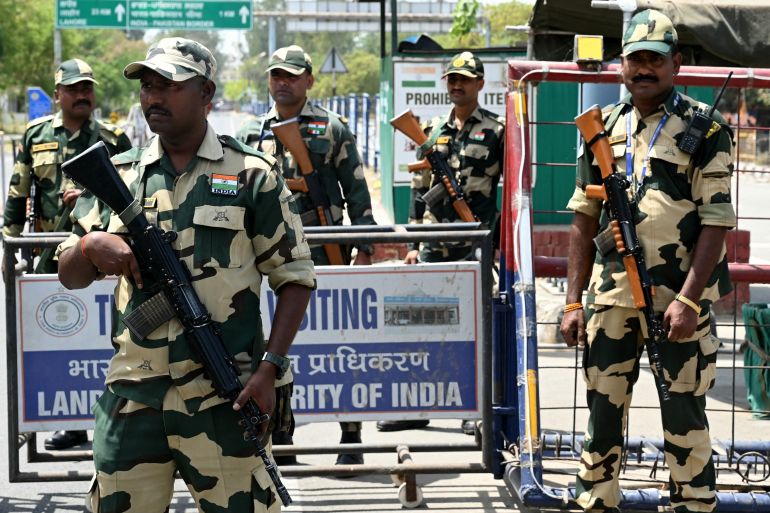
Indus Water Treaty Put on Hold as India Considers Exit


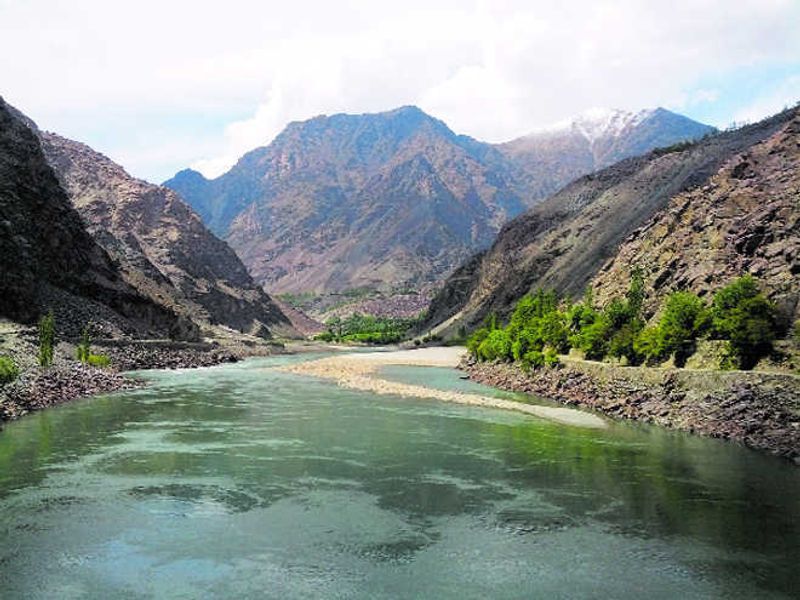
The Indus Water Treaty (IWT) between India and Pakistan is currently suspended, and India has the potential to withdraw from the agreement entirely. According to government sources, any attempt to reactivate the treaty depends on two main conditions: a renegotiation of the pact and a cessation of Pakistan's support for cross-border terrorism.
Recent efforts in Jammu and Kashmir are also underway, with plans to add an additional 3,500 megawatts of hydroelectric power capacity scheduled for this year. Government sources have stated that the treaty, originally established in 1960 under the guidance of the World Bank, is perceived to be 'eroded' and cannot progress without substantial changes to its terms.
India put the treaty on hold following a terrorist attack in Pahalgam in April of the previous year. Sources clarified that any further developments regarding the IWT hinge entirely on actions taken by Pakistan. "We have seen no indication that Pakistan has done anything to abjure its support for cross-border terrorism or shown readiness to renegotiate the terms of the IWT," a source remarked.
The treaty includes a dispute-resolution mechanism, beginning with discussions between the Indus Waters Commissioners of both countries. If issues remain unresolved, they can escalate to Secretary-level talks, followed by a Neutral Expert process, and ultimately to the Court of Arbitration.
However, sources indicated that Pakistan has often bypassed these stages by directly opting for arbitration, a move they termed as illegal. Additionally, they dismissed Islamabad's characterization of itself as a victim in this context as misleading.
Pakistan possesses 140 million acre-feet (MAF) of water in the Indus River system, yet approximately 35 MAF flow wastefully into the sea because of a lack of significant dam constructions since 1976. Of the remaining 105 MAF, nearly 45 MAF is lost due to seepage and an inefficient canal system. India's allocation from the western rivers—Indus, Jhelum, and Chenab—totals only 33 MAF, which is significantly less than what Pakistan wastes.
Sources further pointed out disparities within Pakistan regarding water distribution, noting that the Punjab region consumes more water than Sindh. Without addressing these internal issues, any narrative attempting to blame India will fail, they argued. Indian officials have also clarified that they are not flooding Pakistan through water management practices at the Baglihar or Salal dams; instead, operations are conducted following international norms to manage silt.
With advancements in technology over the past 65 years, coupled with the impact of climate change on water resources, India plans to incorporate newer technologies in dam construction along its river sections.

Kerala Initiates Probe into 2006 Suicide Case Involving CEC

Extradition of Sheikh Hasina Feasible, Says Indian High Commissioner

Punjabi Makeup Artist Mad Sandhu Shot Dead in Amritsar

India Achieves Fourth Place at Asian Games 2026 Through Late Success