IndiGo Airlines Crisis Raises Questions Over Regulatory Accountability


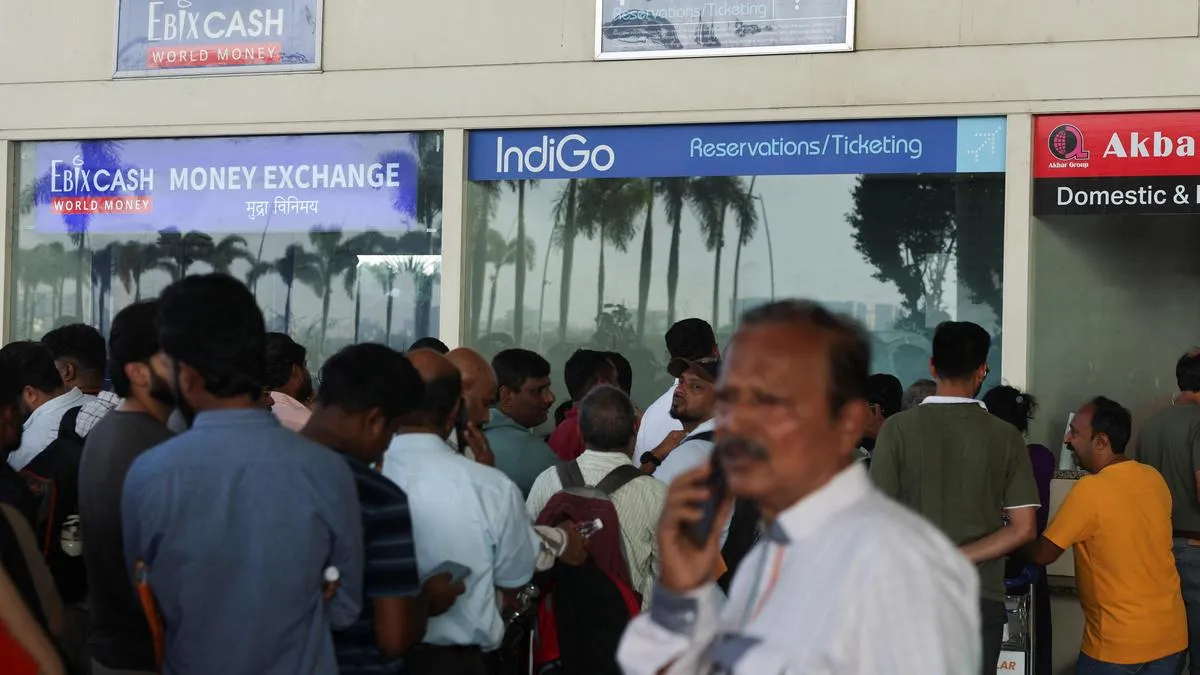
IndiGo Airlines, India's largest carrier, is currently embroiled in a significant operational crisis, following a drastic decline in its on-time performance. Recent reports indicate that the airline's punctuality plummeted to just 8.5% in December 2025, raising serious concerns about its operational practices and accountability.
During a recent discussion on the implications of this crisis, former Director General of Civil Aviation (DGCA) M.R. Sivaraman stated that the airline's board of directors must bear full responsibility for the operational failures. He emphasised that the independent directors did not take necessary action regarding crucial policy changes related to crew safety. This viewpoint was echoed by Captain Sam Thomas, President of the Airline Pilots Association of India (ALPA India), who described the relationship between IndiGo and its pilots as 'exploitative'. He pointed out that despite the airline’s fleet expansion, staffing levels remained inadequate, placing undue pressure on pilots.
The conversation highlighted the recently implemented Flight Duty Time Limitation (FDTL) rules, which are designed to enhance pilot rest periods. Critics of IndiGo claim that the airline may have leveraged its market dominance to influence the regulatory framework, leading to a dilution of these critical safety norms. Allegations suggest that IndiGo engineered a 'deliberately created artificial crisis' to force the DGCA into relaxing these new regulations. Captain Sanjay Gupta, a veteran pilot, voiced concerns over the impact of FDTL dilution, stating it has contributed to severe pilot fatigue and has led to a number of pilots leaving the profession prematurely.
The panel discussion, which included former Air India Executive Director Jitendra Bhargava, scrutinised the actions of IndiGo Airlines and questioned the lack of timely communication to passengers regarding the cancellations. The conversation also addressed the role of the DGCA and the Ministry of Civil Aviation, critiquing their failure to prevent the crisis or adequately respond to the operational challenges faced by IndiGo. Bhargava labelled the situation as an 'ugly chapter in the history of Indian aviation', underscoring the need for greater accountability among both the airline and regulatory bodies.
As the crisis unfolds, reports indicate that over 1,000 flights were cancelled within a span of three days, leaving thousands of passengers stranded across various airports from Delhi to Chennai. Disturbingly, some passengers have shared bizarre experiences, including a newlywed couple who had to attend their wedding reception virtually while stranded at Bhubaneswar airport.
In light of the ongoing turmoil, the Indian government has suspended the enforcement of the new pilot fatigue regulations in an attempt to restore normalcy within the aviation sector. The situation continues to develop, and it remains to be seen how IndiGo and the regulatory authorities will address the pressing issues of pilot fatigue, safety, and overall accountability to passengers.
As this situation progresses, stakeholders in the aviation industry are closely monitoring the potential long-term implications for IndiGo and the broader regulatory landscape in Indian aviation.
Kerala Initiates Probe into 2006 Suicide Case Involving CEC

Extradition of Sheikh Hasina Feasible, Says Indian High Commissioner

Punjabi Makeup Artist Mad Sandhu Shot Dead in Amritsar

India Achieves Fourth Place at Asian Games 2026 Through Late Success