Indian Rupee Hits Record Low of 90.91 Against US Dollar Amid Market Pressures


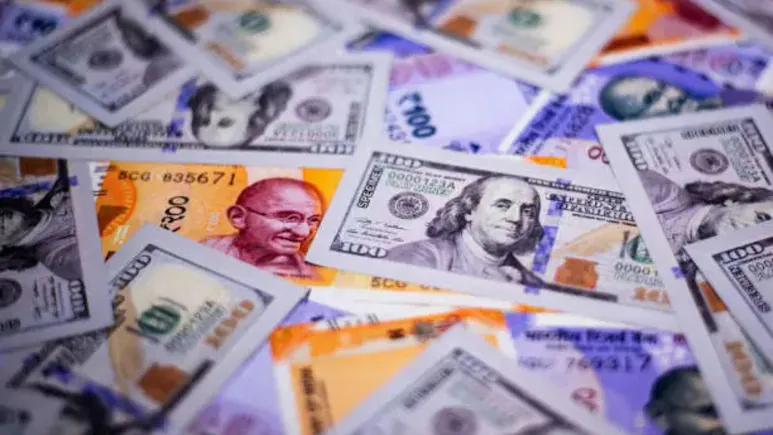
The Indian rupee has reached a historic low of 90.91 against the US dollar, marking a significant decline in value as of December 15, 2025. This drop comes in the wake of considerable foreign institutional investor (FII) outflows, robust demand for dollars from importers, and growing uncertainty surrounding trade negotiations between India and the United States.
On December 15, the rupee's value fluctuated throughout the day, briefly touching 90.96 before closing at 90.91. The currency opened on a weaker note at 90.79, down from 90.49 at the end of the previous week. Forex analysts, including VK Vijayakumar from Geojit Investments Limited, pointed to a slight positive aspect: the trade deficit for November decreased to $24.53 billion, a reduction from October's $41.64 billion. This narrowing could relieve some selling pressure from foreign investors.
Despite this news, the rupee has been described as the worst-performing currency in Asia, according to Dilip Parmar of HDFC Securities. Anuj Choudhary from MiraeAsset ShareKhan anticipates continued volatility in the exchange rate, predicting it will remain within the 90.30 to 91 range. He noted that any potential support could come from interventions by the Reserve Bank of India (RBI) or changes in global monetary policy from institutions such as the Bank of England and the European Central Bank.
The rupee's decline is attributed to ongoing global market risk aversion, heightened demand for dollars, particularly from oil importers, and stalled discussions on trade agreements with the US. The currency opened the week on December 15 at 90.53 and has seen a dramatic drop, including a 29-paise decrease on the previous Monday.
VK Vijayakumar commented, "The currency is likely to stabilise since November trade deficit has come down to $24.53 billion from $41.64 billion in October. This will take away some pressure on FIIs to sell anticipating further depreciation." However, investors remain cautious, as the rupee has experienced a 2.56% decline in value over the past month and more than a 7% decrease over the past year. This depreciation is causing concern for households and businesses reliant on imports, as it leads to higher costs for essential goods such as fuel and electronics.
The rupee's continued weakness is part of a broader trend influenced by geopolitical tensions, rising US interest rates, and the lack of progress in trade negotiations that could bolster exports. The currency markets remain vigilant, with the rupee opening at 90.87 on December 16 and experiencing a wide trading range throughout the day.
Minister of State for Finance Pankaj Chaudhary stated that the rupee's depreciation has been driven by a widening trade deficit and uncertainties surrounding the India-US trade agreement. He acknowledged that while a weaker currency could enhance export competitiveness, it simultaneously raises the cost of imports, complicating economic dynamics.
Chaudhary elaborated, "The depreciation of currency is likely to enhance export competitiveness, which in turn impacts the economy positively. On the other hand, depreciation may raise the prices of imported goods. However, the overall impact of exchange rate depreciation on domestic prices depends on the extent of the pass-through of international commodity prices to the domestic market."
Recent trading patterns indicate that the rupee could potentially exceed the 92 mark against the dollar in the near future unless countermeasures are taken. Analysts suggest that without intervention from the RBI or a resolution to trade negotiations, further depreciation could occur.
As the depreciation of the rupee affects daily life, raising prices for imported goods and straining family budgets, there is an urgent call for collaborative strategies from policymakers. Ensuring swift resolutions to trade disputes, maintaining vigilance by the RBI, and incentivising domestic production are crucial steps to protect vulnerable communities and foster inclusive economic growth. The need for dialogue and cooperation is paramount as the nation navigates these turbulent financial waters.
Impact of Trump's Tariff Law on India's Oil Imports and Trade
United Russia Party Secures Supermajority Despite Ukraine Conflict
Xi Jinping's US Visit Planned Amid Economic Tensions with Trump

India's External Affairs Minister to Address UNGA Amid US Tariff Changes