Indian LPG Carriers Transit the Strait of Hormuz Amid Tensions


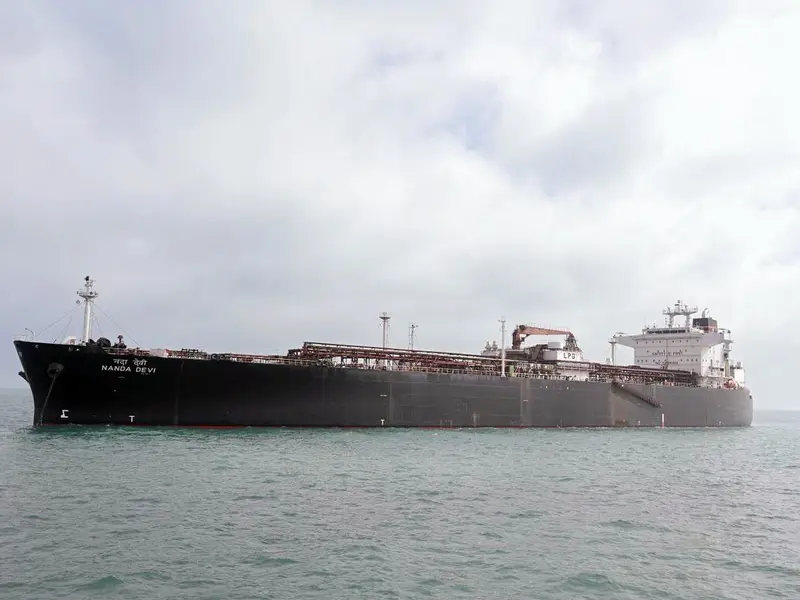
On Saturday, March 28, 2026, two Indian-flagged liquefied petroleum gas (LPG) carriers, BW Tyr and BW Elm, successfully crossed the Strait of Hormuz. This transit highlights the importance of this critical maritime passage for global energy supplies.
The vessels, operated by BW LPG India, a subsidiary of the BW Group, possess a combined cargo capacity exceeding 106,000 tonnes. According to ship tracking data, they were part of a group of five Indian LPG carriers that had anchored north of Dubai-Ras Al Khaima as of March 27, 2026. Notably, BW Elm and BW Tyr are transporting approximately 93,000 tonnes of LPG, which equates to roughly three days of India's current import requirements.
Meanwhile, the Greek-owned crude oil carrier P. Aliki, chartered by the Pakistan National Shipping Corporation, also crossed the strait on the same day. The vessel is loaded with over 100,000 tonnes of crude oil, having embarked from Ras Tanura in Saudi Arabia and is bound for Karachi, Pakistan.
The successful transit of these ships comes at a time of heightened maritime scrutiny in the region. Iranian authorities have been requiring vessels to navigate a route closely hugging the Iranian coast, including passing around Larak Island, to ensure visual confirmation of their affiliations. On the same day of the transits, reports from maritime risk analyst Toomer Raanan, associated with Lloyd’s List, indicated that these vessels adhered to the new route regulated by the Islamic Revolutionary Guard Corps (IRGC).
Prior to this, on March 27, Iranian officials had turned away three vessels linked to China, a move reflecting rising tensions in the region. However, vessels affiliated with India and Pakistan have been granted passage, as Iran has indicated its willingness to allow ships from specific nations, including India and its neighbours, to transit through these critical waters.
The Indian Navy has been actively escorting these vessels in the Arabian Sea as part of Operation Ojra Surakhsha, which focuses on energy security. Historically, this military involvement has extended to providing maritime security during significant international operations, including during previous anti-piracy missions under Operation Sankalp.
The Strait of Hormuz is pivotal, as it facilitates the passage of a substantial portion of the world's oil and gas shipments. India, as the second-largest importer of LPG globally, relies heavily on these imports to meet domestic cooking gas demands. Over the past few weeks, several Indian vessels have successfully delivered LPG to India through this maritime route, with heightened focus on the safe navigation of incoming tankers.
Despite ongoing geopolitical tensions, the successful transit of BW Tyr, BW Elm, and P. Aliki signals a continuation of commercial shipping activities in this strategic zone, vital for the energy security of nations reliant on oil and gas imports.
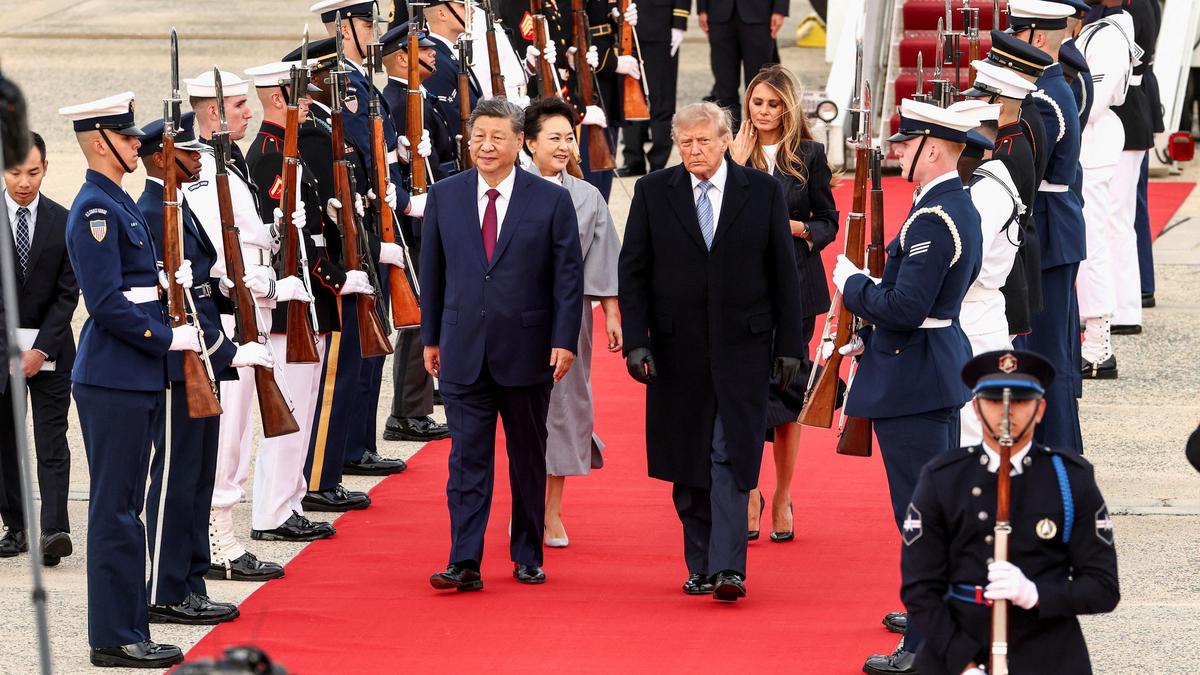
Chinese President Xi Jinping Begins State Visit to Washington
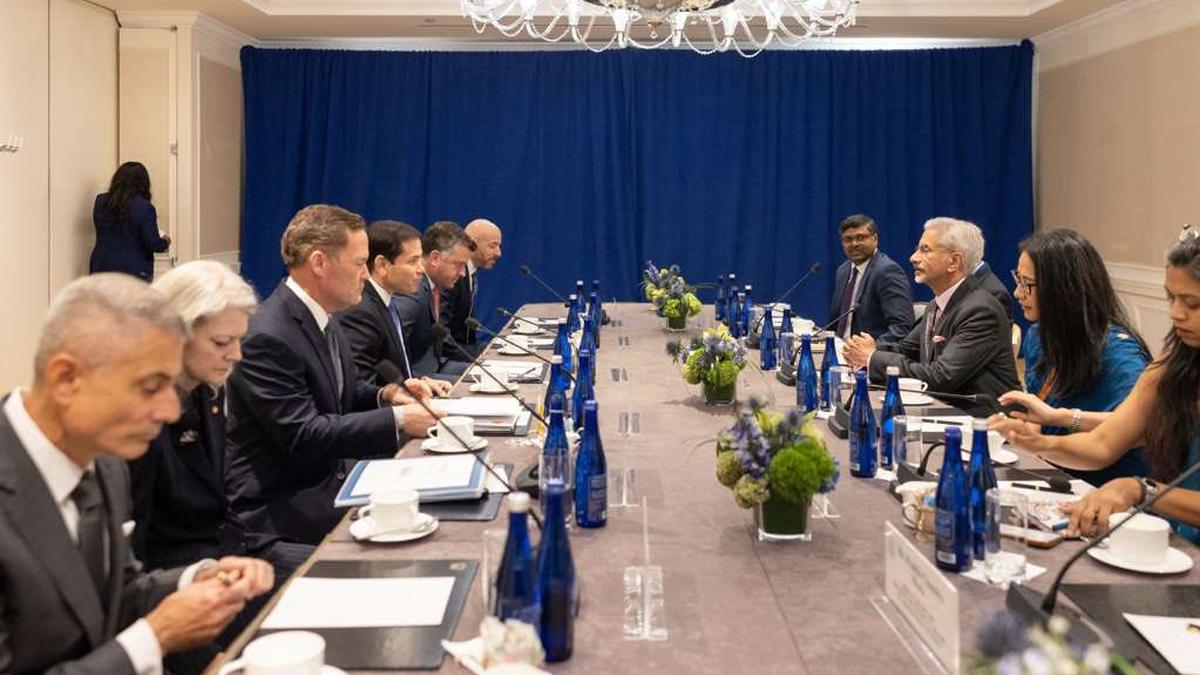
Jaishankar Discusses US Tariff Concerns with Secretary Rubio
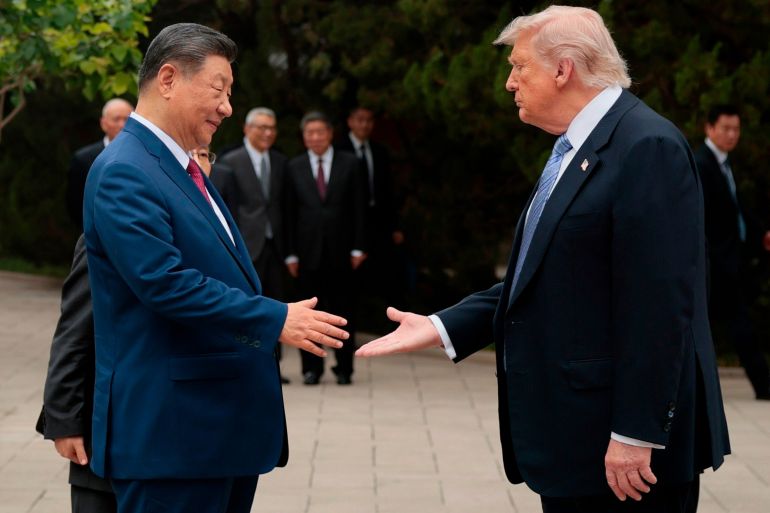
US and China Leaders Discuss AI Rivalry Amid Global Concerns

Russian Drone Strikes Kyiv, Donetsk Following Zelenskyy-Trump Talks