Indian Government Mandates Switch from LPG to Piped Natural Gas


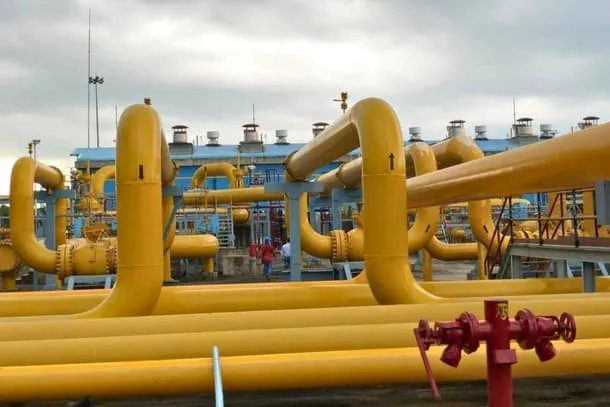
The Indian government has announced a new directive stating that the supply of liquefied petroleum gas (LPG) will be discontinued for households that do not transition to piped natural gas (PNG), where available. This initiative is intended to promote the expansion of the natural gas network and reduce reliance on a single energy source.
The decision comes amid a reported shortage of LPG due to ongoing conflicts in West Asia, which has impacted supply chains from crucial sources. In response, officials are encouraging households and commercial users to adopt PNG as a more reliable alternative. Unlike LPG, which requires consumers to book refills, PNG is delivered continuously through pipelines, providing a more convenient solution for cooking needs.
The Ministry of Petroleum and Natural Gas (MoPNG) has indicated that the shift to PNG is vital for addressing the pressures arising from limited LPG supplies, which are currently meeting only 50-60% of India's consumption needs. According to a report from The Hindu, the ministry is streamlining the approval processes for expanding the piped gas network to facilitate faster development of the necessary infrastructure.
In addition to improving the infrastructure, the government aims to ease compliance burdens by introducing simplified procedures and clearer documentation requirements for stakeholders. This is particularly important given the recent acceleration of the transition to PNG, with around 2.5 lakh new connections established in the past month, according to MoPNG officials.
Joint-Secretary Sujata Sharma mentioned that efforts have already led to approximately 2.2 lakh consumers switching from LPG to PNG, underlining the government’s commitment to facilitating this transition. The report stated that a total of 2.5 lakh new requests for registrations to receive piped natural gas have also been recorded.
The directive from the Ministry includes specific timelines for laying pipelines, ranging from 10 days for smaller pipes to 60 days for larger steel pipelines extending beyond 10 km. If local authorities do not grant required permissions within stipulated timeframes, applications will be automatically approved. Additionally, gas supply to households in specific areas will cease within three months if the necessary permissions from concerned bodies are not secured.
However, if it is determined that a piped gas connection cannot be provided due to technical reasons, the household's LPG supply will continue. This framework reflects the government's comprehensive approach to enhance energy efficiency across India while addressing current supply challenges caused by external factors.

Impact of Trump's Tariff Law on India's Oil Imports and Trade

United Russia Party Secures Supermajority Despite Ukraine Conflict
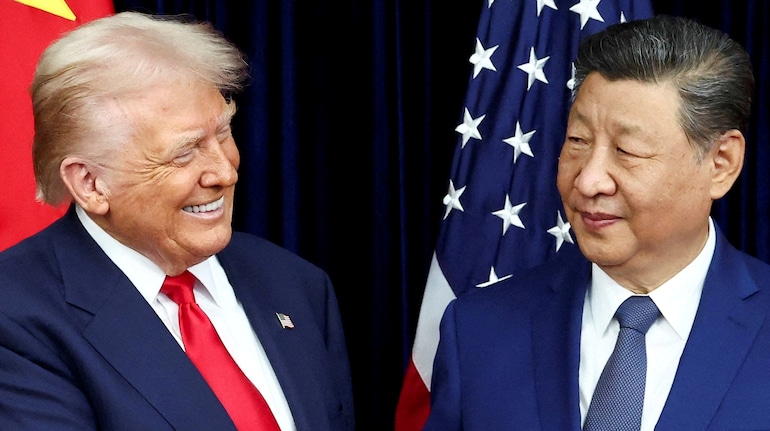
Xi Jinping's US Visit Planned Amid Economic Tensions with Trump
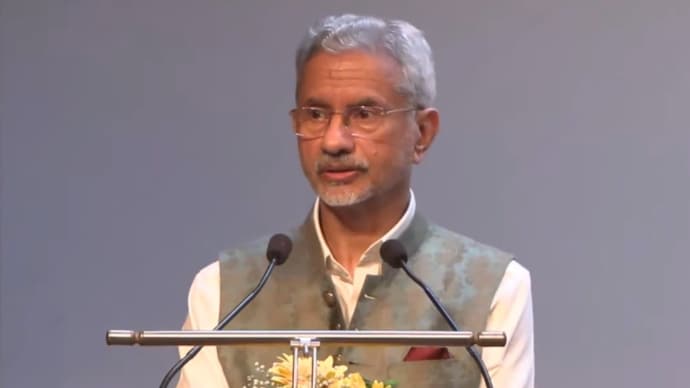
India's External Affairs Minister to Address UNGA Amid US Tariff Changes