Indian Government Issues Notice to Meta Over WhatsApp Username Feature


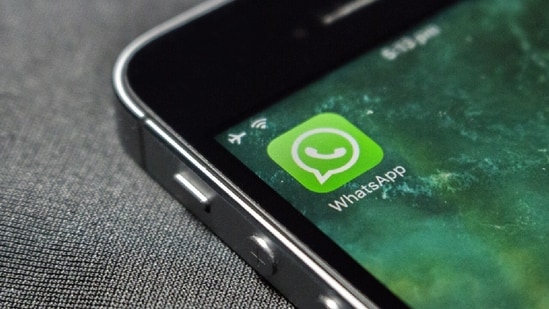
The Ministry of Electronics and Information Technology (MeitY) in India has sent a notice to Meta Platforms, Inc., the parent company of WhatsApp, just two days after the messaging app unveiled a new feature that allows users to create unique usernames instead of sharing their phone numbers. The government has asked for a detailed explanation of this feature within three days and has instructed WhatsApp not to launch it until governmental consultations are completed.
WhatsApp introduced the username option on Monday, stating it aims to improve user privacy by allowing individuals to connect via usernames rather than phone numbers. Users will be able to reserve these unique identifiers, which will be available for interaction later this year.
In its notice, MeitY expressed concerns that the username feature could potentially lead to an increase in online fraud, phishing schemes, and impersonation attacks. The ministry warned that this function might enable malicious actors to deceive victims more easily by adopting usernames that closely resemble those of legitimate individuals or institutions.
Adding to the controversy, the Department of Telecommunications (DoT) has raised issues related to existing regulations that require messaging services to link user accounts with actual SIM cards. This requirement aims to deter cyber fraud and enhance user traceability.
A DoT official, speaking on condition of anonymity, highlighted that the implementation of usernames could complicate identification efforts for law enforcement agencies. They stated, “The larger issue is that it will make it difficult for LEAs to identify whether the perpetrator is an Indian or not,” citing concerns about fraudulent users operating under international numbers.
To counter these worries, a Meta spokesperson assured that the new feature would not interfere with existing SIM linkage regulations. They explained that WhatsApp users would still need their phone numbers to register and utilise the service, adding that usernames are meant to enhance privacy without displacing the necessity for phone numbers.
In response to possible security implications, a senior police official in Delhi indicated that the feature would pose challenges for narrowing down potential criminals due to the anonymity it could provide. They noted that WhatsApp's strategy mirrors those implemented by apps like Telegram and Signal, which also allow usernames.
WhatsApp has said that the feature will be gradually rolled out later this year. They noted, “With over three billion users, many names overlap; hence, we’re allowing early reservations so everyone can select meaningful usernames.”
A spokesperson for WhatsApp addressed the concerns raised by the Indian authorities, confirming that the username feature is not yet active and will be introduced slowly over the coming months. They also added that various protective measures would be in place to counter impersonation attempts, stating, “To protect against impersonation, we’ve held high-profile names so they can only be claimed by legitimate owners.”
This announcement adds to the ongoing discussions regarding privacy, security, and the regulation of digital communication tools in the rapidly evolving landscape of mobile messaging services. As WhatsApp prepares for a broader rollout of its username feature, scrutiny from government entities may shape the final implementation of this new utility.
Supreme Court to Consider Plea Against Chief Election Commissioner

Fratricide Incident in Jammu and Kashmir Claims Four CISF Lives
Three Residents from Gujarat Missing After Alleged Kidnapping in Ethiopia

Supreme Court Justice Dedicates Judgment to Late Law Clerk