Indian Government Allocates Rs 10,000 Crore for Aviation Fuel Stabilisation


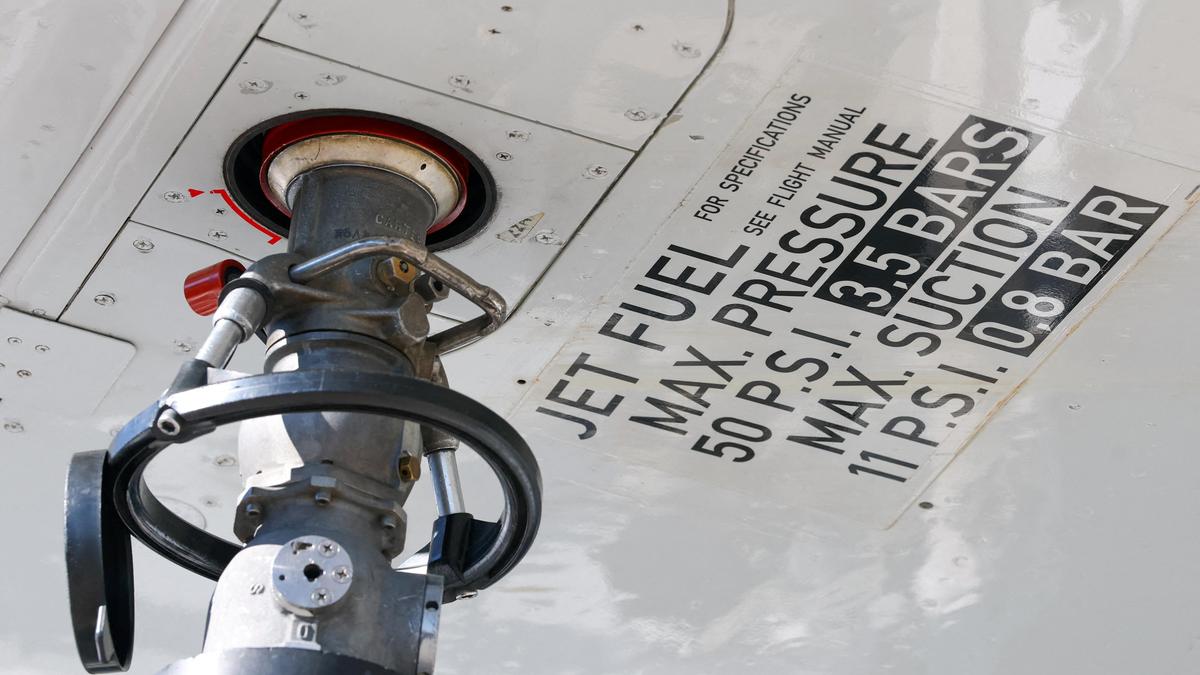
The Indian government has officially approved a one-time financial support of Rs 10,000 crore for oil marketing companies (OMCs) to stabilise aviation turbine fuel (ATF) prices. This decision was made amid escalating fuel prices resulting from conflicts in West Asia, impacting both domestic and international airline operations.
Hardeep Singh Puri, the Union Minister for Petroleum, stated that the funding aims to cushion Indian airlines from soaring ATF costs. Prices of ATF increased dramatically, surging nearly 2.5 times from Rs 60.5 per litre in March 2026 to Rs 142 per litre in May 2026.
The budgetary support will be provided to scheduled airlines in the form of interest-free advances to OMCs. The initiative is seen as critical for ensuring that airline operations remain stable, while also protecting passengers from potential fare hikes driven by the ongoing geopolitical challenges that are affecting energy producers.
Ashwini Vaishnaw, India's Information and Broadcasting Minister, acknowledged the necessity of this support in light of significant increases in ATF prices, which have been partly attributed to the closure of airspace by Pakistan following the Pahalgam terror attack in 2025.
The initiative aims to prevent airline disruption and maintain affordable travel options for consumers during this tumultuous period. According to Sahil Mahajan, a partner for aviation at PwC India, the fund will protect airlines’ profitability and create a more predictable pricing structure for consumers.
It was also noted that structural reforms in fuel taxation will be necessary for long-term stability within the sector. The budgetary support will function as a self-sustaining revolving fund, meaning that once international ATF prices decrease, the differential amount will be recovered from OMCs and returned to the government.
To facilitate the implementation of this fund, a memorandum of understanding (MoU) will be established between OMCs and participating airlines, specifying that airlines must procure ATF exclusively from OMCs. This agreement will be in place for up to three years or until the advance amount is fully recovered.
In light of these developments, some airlines, including Air India and IndiGo, have already reduced their international services and cut approximately 250 domestic flights due to the soaring jet fuel prices. The government has capped ATF prices at Rs 75.6 per litre to help shield air commuters from sudden price increases. However, ongoing crises have made it challenging to provide adequate protection.
Given that ATF constitutes an estimated 40% of airline operating costs and can rise to 60% during times of extreme volatility, the stabilization fund is expected to offer essential relief. The overall health of the airline industry could hinge on the successful implementation of this financial support as it navigates through challenging economic conditions.
Kerala Initiates Probe into 2006 Suicide Case Involving CEC

Extradition of Sheikh Hasina Feasible, Says Indian High Commissioner

Punjabi Makeup Artist Mad Sandhu Shot Dead in Amritsar

India Achieves Fourth Place at Asian Games 2026 Through Late Success