Indian Airlines Urge Government for Relief Amid Jet Fuel Price Surge


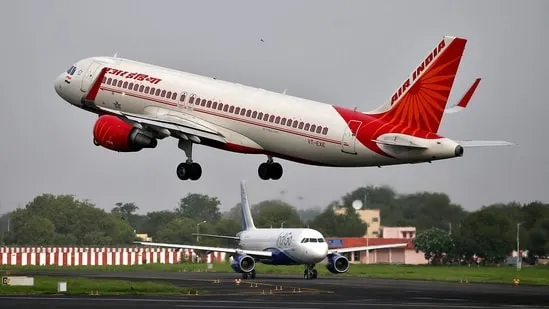
India's airline sector is under severe pressure as a notable spike in jet fuel prices threatens to derail operations. The Federation of Indian Airlines (FIA), representing major carriers such as Air India, IndiGo, and SpiceJet, has reached out to the Ministry of Civil Aviation, alerting officials to the extreme stress that is on the brink of causing a collapse in the industry.
In an urgent letter to the government, the FIA detailed how the surge in aviation turbine fuel (ATF) prices has rendered many routes unsustainable financially. The industry body pointed out that the prices have surged past Rs 2 lakh per kilolitre, largely influenced by the escalating global crude oil prices amid ongoing geopolitical tensions in West Asia.
Typically, fuel expenses comprise about 30 to 40% of an airline's operating costs; however, the current scenario has raised this figure to approximately 55 to 60%. This drastic shift has severely curtailed profit margins for the airlines, the federation stated.
Particularly impacted are international flights, which face added pressures from heightened ATF prices. The FIA highlighted that sustained elevated fuel costs are straining cash flows, exacerbating financial difficulties in the sector. The letter outlined a range of immediate and structural measures that the airlines are requesting from the government. One immediate request is for the removal of the 11% excise duty on ATF, along with appeals for reductions in state-level value-added tax (VAT) rates, which can reach up to 25% in some states.
At a structural level, the airlines are advocating for a more stable pricing mechanism for jet fuel. They expressed concerns that fluctuations in refining margins are keeping ATF prices artificially high, even when crude oil prices decrease. This inconsistency further complicates route and capacity planning, putting additional strain on operational costs.
The federation also drew attention to how high fuel taxes disadvantage domestic airlines compared to international competitors, particularly for international flights. The current crisis has been exacerbated by foreign conflicts, notably the conflict in West Asia, which has driven crude oil prices skyward.
The current geopolitical situation has seen Brent crude oil prices rise significantly, from approximately US$ 72 per barrel to around US$ 118 per barrel within a short period. Consequently, ATF prices have surged, impacting both domestic and international operations, leading the FIA to caution that sustained high costs could precipitate capacity cuts or route cancellations. Airlines may also be prompted to raise ticket prices as operational costs climb.
The increasing cost of fuel is anticipated to directly affect passengers, as higher operational expenses generally translate to increases in ticket prices over time. The FIA's communication emphasises that the problem is more than just rising costs; it threatens the overall viability of the industry.
Unless fuel prices stabilise and government taxes are revised, the pressure on airlines is expected to grow, directly influencing fares, routing, and operational capacity across India's aviation sector. The implications for travel in the region could become pronounced, as major airlines face difficult decisions prompted by unsustainable financial circumstances.

Ceasefire Agreed in Oleshky Amid Ukraine's Humanitarian Crisis
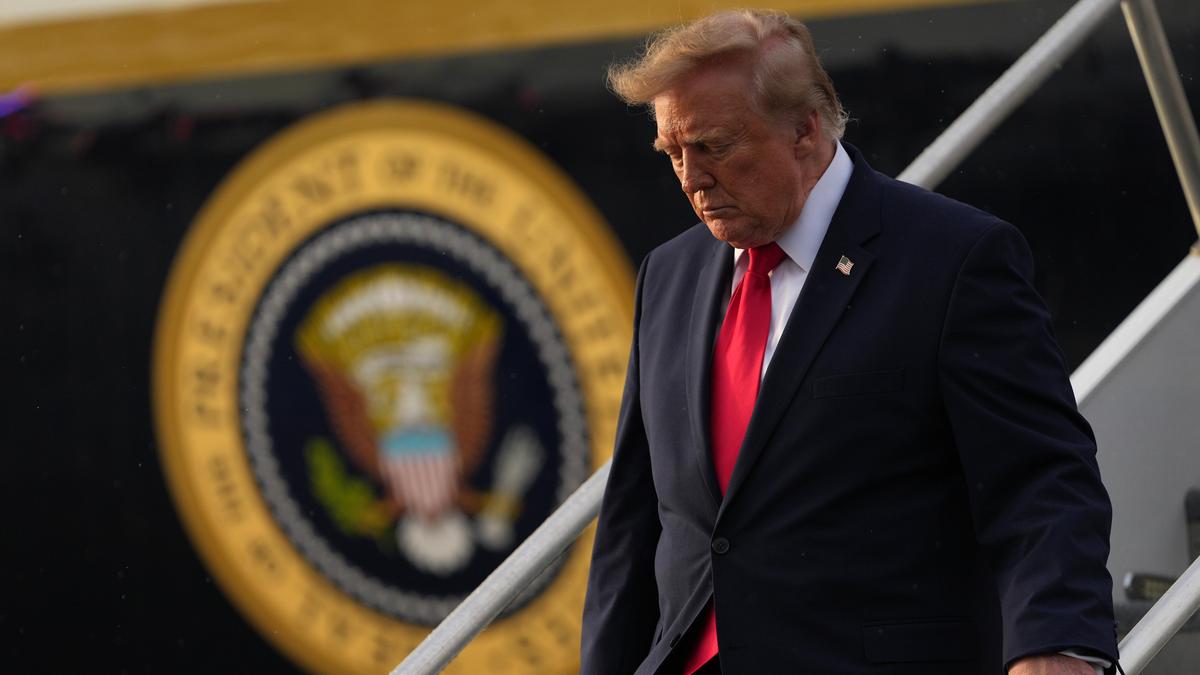
Donald Trump Hints at US Interest in Cuba After Conflict in Iran

UK Court Rules Against India in RAKIA Investment Dispute
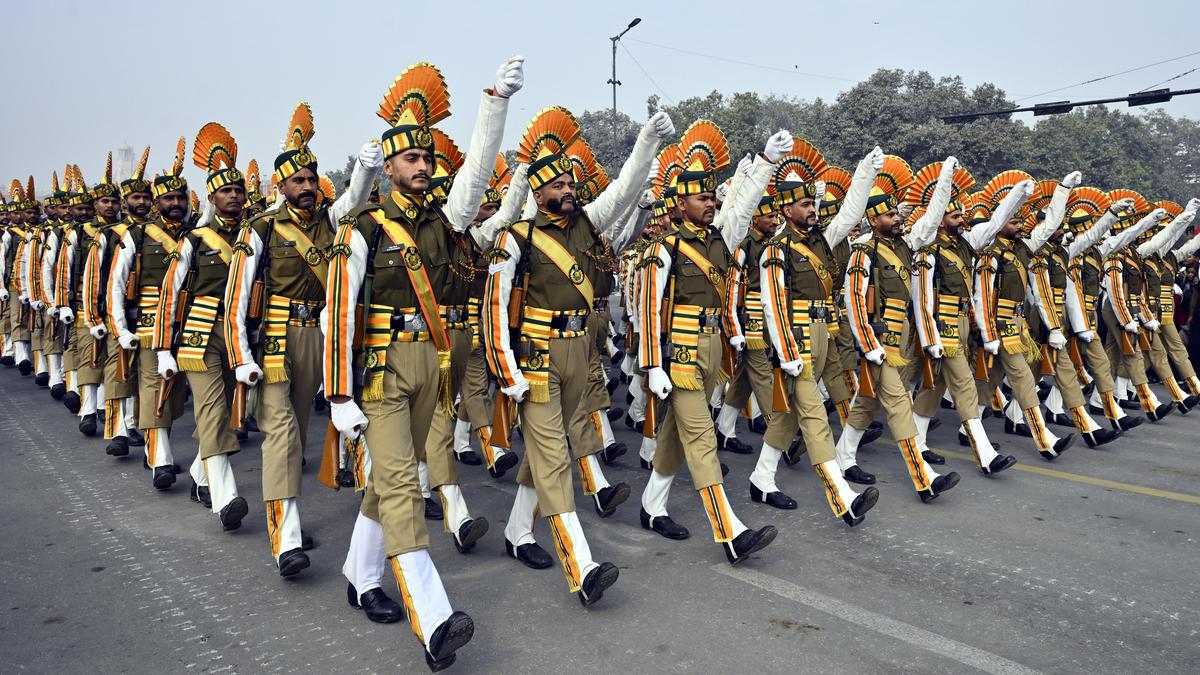
India Raises Concerns Over Chinese Border Patrolling Deviations