India Withdraws Mandatory Installation Order for Sanchar Saathi App


India’s Ministry of Communications announced on Wednesday that it has reversed its decision to make the Sanchar Saathi app compulsory on all new smartphones sold in the country. The earlier directive, issued by the Department of Telecommunications (DoT), had required manufacturers to include the state-developed cybersecurity tool on both new devices and older phones through software updates.
According to the Ministry, the decision was changed in light of the app’s rapid uptake among users. Officials said more than six lakh people downloaded the service within 24 hours, and overall usage had surpassed 14 million, demonstrating substantial public acceptance. The mandate, the Ministry added, had been intended to speed up this adoption.
Telecommunications Minister Jyotiraditya Scindia told Parliament that the app’s purpose was limited to enhancing user safety online. “Snooping is neither possible nor will it happen with the Sanchar Saathi app,” he said, stressing that every citizen retains the right to delete the application if they choose. He reiterated that the app can be removed like any other software on a smartphone.
The government’s decision comes after two days of criticism from opposition parties, digital rights groups and technology industry stakeholders. Some critics argued that requiring a state-owned cybersecurity app on all phones risked giving authorities unprecedented access to citizens’ devices and could open the door to intrusive surveillance. The concerns echoed previous debates in India about digital privacy, including those linked to high-profile spyware allegations.
Prominent opposition figures condemned the initial decision. Congress leader Priyanka Gandhi Vadra said the order risked undermining democratic freedoms, while fellow party MP Karti Chidambaram compared the move to practices in countries with restricted civil liberties. Other opposition MPs argued that mandatory installation could normalise extensive monitoring of personal devices.
Industry reaction also played a significant role in the government’s reversal. According to reports, global smartphone companies including Apple and Google expressed reservations about complying with the DoT directive. Both companies operate their own proprietary operating systems and are known to resist requirements to preinstall government applications. Industry sources said the companies had no precedent for such measures anywhere in the world and warned that customising their software for the Indian market would pose substantial technical and security challenges.
A senior government official later clarified that the earlier clause stating that the app’s functions could not be restricted was meant to prevent manufacturers from installing disabled or non-functional versions simply to show formal compliance. The official said that at no point did the order prohibit end users from deleting the app.
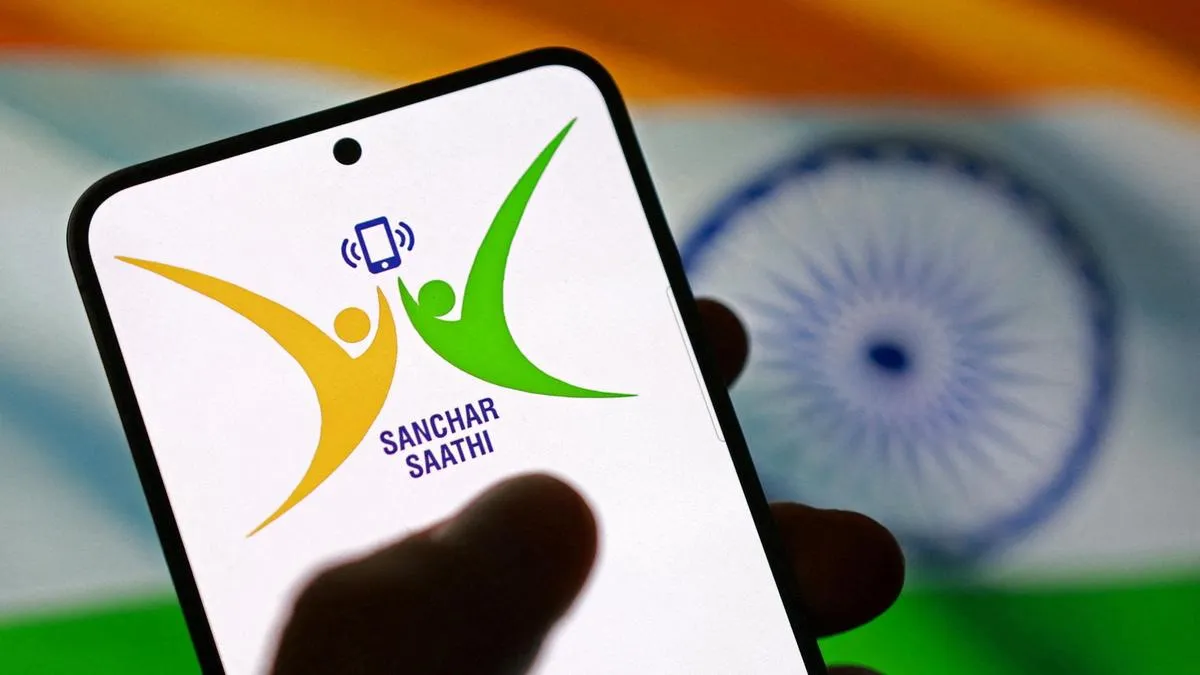
Sanchar Saathi is a digital security and awareness tool created by India’s Department of Telecommunications. It enables users to report fraudulent communication, track lost or stolen mobile phones, and access information on cyber risks. The platform is available as both a mobile application for Android and Apple devices and a web-based portal.
Minister Scindia described the app as “voluntary, transparent, and designed solely to protect India’s mobile consumers while advancing the nation’s cybersecurity.” He said the government remained open to adjusting its approach based on public input, adding that the success of the platform depends on user participation.
Civil society organisations, however, have cautioned that mandatory installation would have compromised principles of consent and user choice. Some groups raised the risk of “functional creeping,” a term used to describe the gradual expansion of a system’s capabilities beyond its original goals. They argued that even if the app is currently limited to reporting cyber threats, compulsory preloading could have enabled further functions without adequate oversight.
Context
The debate over the Sanchar Saathi directive reflects India’s broader challenges in balancing digital security with privacy rights. The country has seen a sharp rise in online fraud and cybercrime, prompting authorities to introduce tools aimed at protecting mobile users. At the same time, India’s growing smartphone market and large user base mean that any policy affecting device software has significant implications for global technology firms.
This episode also highlights increasing public sensitivity around data protection in India, particularly as new digital regulations continue to evolve. The decision to reverse the mandate signals the government’s attempt to reassure citizens and industry players while encouraging voluntary adoption of cybersecurity measures.

Kerala Initiates Probe into 2006 Suicide Case Involving CEC

Extradition of Sheikh Hasina Feasible, Says Indian High Commissioner

Punjabi Makeup Artist Mad Sandhu Shot Dead in Amritsar

India Achieves Fourth Place at Asian Games 2026 Through Late Success