EU Establishes Permanent Ban on Russian Gas Imports Amid Ukraine Conflict


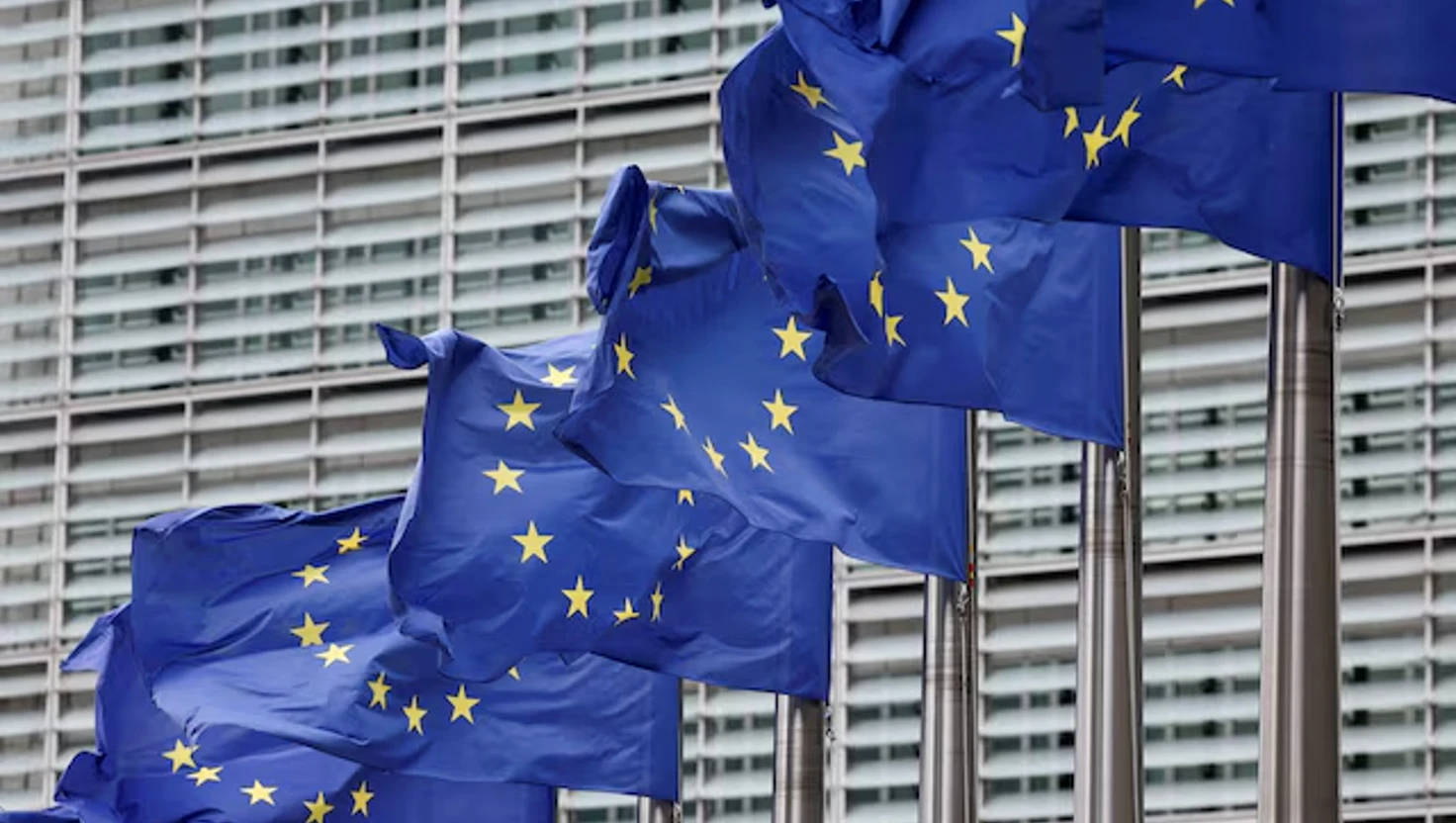
BRUSSELS — The European Union (EU) has reached a significant agreement to initiate a complete ban on Russian gas imports, aimed at reducing dependency on Russian energy sources. This decision follows a last-minute consensus among lawmakers, officials, and diplomatic negotiators on a crucial piece of legislation, which is expected to transform the energy sector in Europe.
Initially proposed earlier this year, the bill seeks to eliminate the EU's lingering reliance on Russian gas, particularly at a time when the conflict in Ukraine intensifies, with Russian forces maintaining their advance and the Ukrainian economy facing severe financial strain. Despite a notable decline in Russian gas imports since 2022, the country still represented approximately 19 percent of the EU's total gas consumption.
The EU had previously imposed temporary sanctions on Russian gas imports, with measures subject to review every six months. The newly approved legislation aims to make these restrictions permanent, providing assurance to member states that continue to hold contracts with Russian suppliers in the event of potential legal challenges.
European Commission President Ursula von der Leyen announced the decision, stating, "At the beginning of the war, we were paying Russia €12 billion per month for fossil fuels. Now, that figure has decreased to €1.5 billion, and our goal is to bring it down to zero. This marks a significant day for Europe, enhancing our independence from Russian fossil fuels and strengthening our resilience."
Ville Niinistö, a Green Member of the European Parliament and one of the lead negotiators, emphasised the message of the agreement, stating, "We wanted to demonstrate that Europe will never revert to relying on Russian fossil fuels again — the only ones losing today are Russia and President Putin."
The legislation is scheduled to take effect on January 1 next year, with the implementation of bans on various types of gas occurring in phases. Spot market purchases of gas will be prohibited almost immediately, while existing short- and long-term contracts will be banned by 2026 and 2027, respectively. A complete ban on pipeline gas imports is set to commence in September 2027, addressing concerns raised by landlocked countries like Slovakia and Hungary that depend on Russian gas supplies.
The development of this law was marked by intense negotiations over the past six months, with divergent views among European Parliament members and member states regarding the timeline and legal implications of the ban. Despite concerns that discussions could extend beyond the current year, negotiators reached a compromise on several key points just before the deadline.
Lawmakers advocated for an expedited timeline for the bans, ensuring that no measures would take effect later than 2027. They also secured commitments from national governments to impose penalties on companies that fail to comply with the new regulations. Penalties could include a fixed sum of €40 million, 3.5 percent of a company’s annual turnover, or up to 300 percent of the value of the violated transaction.
While the Council of the EU had its demands included in the legislation, the Parliament succeeded in moderating some of the more contentious aspects. For instance, they negotiated stricter conditions for a controversial clause allowing countries facing energy crises to temporarily lift the ban; any suspensions must be reviewed by the Parliament and the Commission and will last no longer than four weeks.
The Parliament also opted for a separate bill regarding a ban on Russian crude oil imports, which the Commission has promised to propose early next year. Although the Council included a list of 'safe' countries from which the EU can continue to import gas without extensive scrutiny, concerns were raised regarding nations such as Qatar, Algeria, and Nigeria being included on that list.
Despite initial apprehensions about being overshadowed by seasoned diplomats, members of the European Parliament expressed satisfaction with the outcomes of the negotiations.
Inese Vaidere, a Member of the European Parliament from the European People’s Party and co-leader of the negotiations, remarked, "We have enhanced the Commission’s original proposal by outlining a clearer path towards banning oil and its products, facilitating an earlier end to long-term contracts, and establishing uniform penalties for non-compliance."
Niinistö expressed his contentment with the results, stating, "We achieved more than I anticipated — earlier phase-outs, stricter penalties, and closing loopholes that allowed Russian gas to enter our markets. This was about demonstrating European unity — Parliament, Council, and Commission standing together, proving that we can reduce Russia’s revenues more swiftly and effectively than previously proposed."
Kerala Initiates Probe into 2006 Suicide Case Involving CEC

Extradition of Sheikh Hasina Feasible, Says Indian High Commissioner

Punjabi Makeup Artist Mad Sandhu Shot Dead in Amritsar

India Achieves Fourth Place at Asian Games 2026 Through Late Success