India's Union Budget 2026: Major Boost to Cancer and Rare Diseases Care


In a significant move to enhance healthcare, the Indian government has announced a complete waiver of basic customs duty on 17 cancer-related drugs in the Union Budget for 2026-27. This decision aims to alleviate the financial burden for patients suffering from cancer and rare diseases.
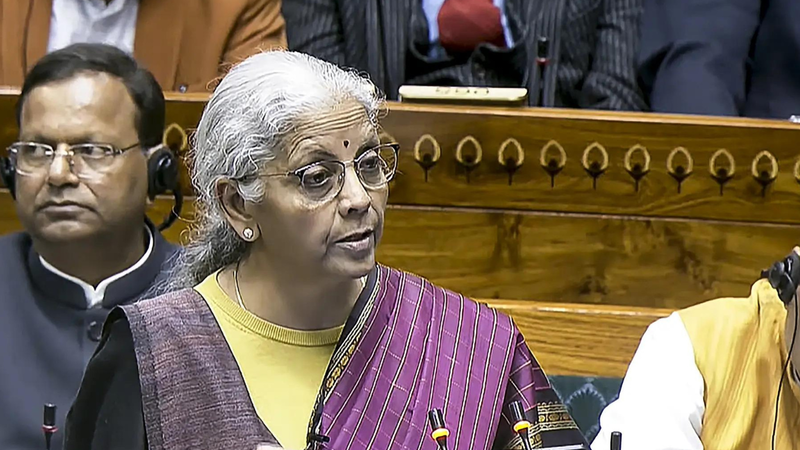
Union Finance Minister Nirmala Sitharaman unveiled the budget on February 1, 2026, highlighting that seven additional rare diseases would gain eligibility for import duty exemptions on necessary drugs, medicines, and specially formulated food imported for personal consumption.
As part of a broader initiative, the budget allocates ₹10,000 crore (approximately £1 billion) for investment in the biopharmaceutical sector over the next five years. This investment is expected to stimulate growth within India's pharmaceutical industry, which focuses on medicines derived from living organisms, rather than chemical synthesis.
The budget also introduces key interventions across six major areas: manufacturing, strategic and frontier sectors, healthcare, and advanced technology. Notable health sector highlights include establishing three new National Institutes of Pharmaceutical Education and Research, alongside an upgrade of the existing seven institutes.
A plan was announced to create a vast network of 1,000 accredited clinical trial sites. This is aimed at accelerating research and the development of new products, significantly enhancing India's capability in drug regulation to align with global standards, thus ensuring timely approvals for new medications.
The overall health spending for the fiscal year 2026-27 saw a modest increase of just over six percent, with the Health Ministry's budget allocation rising to ₹1.05 lakh crore (around £10.5 billion), which is roughly nine percent higher than the revised estimates for the previous year. Major healthcare schemes, including Ayushman Bharat PM-JAY, received ₹9,500 crore, seeing only a minor increase from last year’s funds.
Additionally, a provision of ₹100 crore is directed toward training allied healthcare professionals. This initiative underscores a commitment to expand healthcare services beyond hospital settings, particularly benefitting geriatric patients. "A robust care ecosystem focused on geriatric and allied care services will be developed," Minister Sitharaman stated during her budget presentation.
The government also plans to train 1.5 lakh (150,000) caregivers in various skills, combining core caregiving with specialties such as wellness and yoga. This training will span ten disciplines, including optometry, radiology, anaesthesia, and behavioural health.
In a move to fortify India’s AYUSH (Ayurveda, Yoga & Naturopathy, Unani, Siddha, and Homeopathy) framework, the budget proposes the creation of three new All India Institutes of Ayurveda to enhance research, education, and clinical excellence in traditional medicine.
Considerable investments for modernising existing healthcare facilities are also planned. These improvements aim to establish and strengthen Cancer Centres, expand Trauma and Emergency Care Services, and develop Super Specialty Blocks and AI-enabled Centres.
Addressing the need for improvements in mental health services, the government proposed the establishment of two new national mental health institutes to be located in Ranchi and Tezpur. Furthermore, a second campus of the National Institute of Mental Health and Neurosciences (NIMHANS) will be set up in North India to improve access to quality mental healthcare.
Minister Sitharaman, presenting the Union Budget for the ninth consecutive time, acknowledged the inadequacy of national-level institutions dedicated solely to mental health. She reaffirmed the intention behind establishing these new centres is to provide specialised mental healthcare and training, particularly in underserved regions.
The budget reflects a comprehensive approach to improving India's healthcare landscape, intending to increase the quality of care and access for all citizens, particularly those suffering from chronic illnesses and mental health conditions.
India to Supply Nepal with Daily Electricity After Flood Damage

US Space Force confirms weapons deployed in space orbit

Maruti Suzuki Exports One Lakh Units of Jimny and Fronx to Japan
China's Foreign Minister Urges Strengthening International Ties
