UN Chief Warns No Single Power Can Solve Global Problems


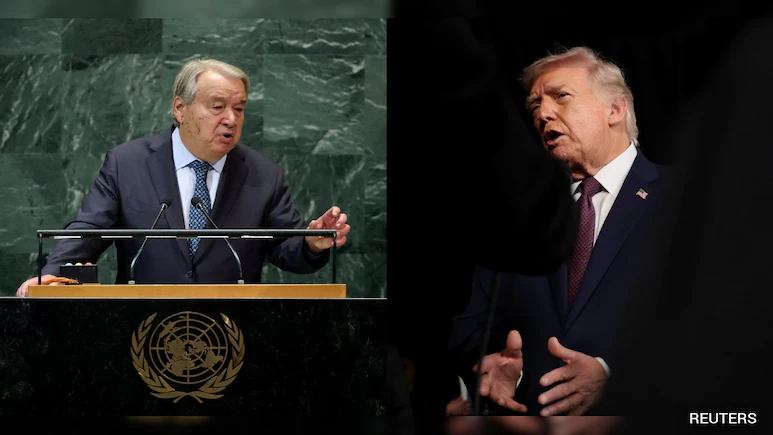
Addressing reporters at United Nations headquarters, Antonio Guterres said the world was moving in a dangerous direction as major powers pursued unilateral approaches to global problems. He argued that attempts by one country to dictate outcomes, or by two powers to divide the world into competing spheres of influence, would undermine long-term stability.
“Global problems will not be solved by one power calling the shots,” Mr Guterres said. He later clarified that the remark referred to the United States. He added that challenges would also not be resolved “by two powers carving the world into rival spheres of influence”, a comment widely interpreted as a reference to the strategic rivalry between Washington and Beijing.
The UN chief said that a stable international system required broader cooperation among countries. “If we want a stable world, if we want a world in which peace can be sustained and development can be generalised, we need to support multipolarity,” he said, describing a system in which influence is shared among several centres rather than concentrated in one or two capitals.
Mr Guterres made the remarks as he enters the tenth and final year of his tenure. The United Nations Security Council is expected to begin the process of selecting his successor later this year.
The comments come amid growing tensions between major powers and renewed debate over the role of the United Nations in maintaining international peace and security. United States President Donald Trump, who began his second term a year ago, has argued for restoring American dominance in the Western Hemisphere and has promoted a worldview based on spheres of influence, an approach many diplomats regard as outdated.
Mr Guterres’s remarks also followed the launch by President Trump of a new initiative known as the “Board of Peace”. Initially presented as a mechanism to help stabilise a fragile ceasefire in Gaza, the initiative has since been described by the US administration as having a broader global role.
The UN secretary-general said that responsibility for international peace and security ultimately lies with the United Nations, and particularly with the Security Council, the body charged under the UN Charter with responding to threats to peace.
“In my opinion, the basic responsibility for international peace and security lies with the UN, lies with the Security Council,” he said. He added that longstanding calls to reform the Security Council were essential if the organisation was to remain effective. According to Mr Guterres, some of the countries most critical of the UN’s performance were also those resisting changes to its structure.
“That is the reason why the UN can sometimes not be as effective as we all want,” he said, referring to opposition from some member states to expanding or reforming the council’s membership and veto powers.
Mr Guterres’s second five-year term has coincided with a period of intense global instability. Major conflicts have included Russia’s full-scale invasion of Ukraine, the return of the Taliban to power in Afghanistan, fighting in Sudan, the war between Israel and Hamas in the Gaza Strip, and continuing turmoil in several parts of the Middle East and Africa.
Against this backdrop, the UN chief said the international rules-based order was under increasing strain. “International law is trampled. Cooperation is eroding. And multilateral institutions are under assault on many fronts,” he said. He warned that impunity was fuelling conflicts, widening mistrust among nations and creating space for powerful actors to pursue their interests without restraint.
The United Nations itself is also facing significant financial pressure. The organisation is dealing with a cash crisis after its largest contributor, the United States, reduced voluntary funding to several UN agencies and withheld mandatory payments to the regular budget and peacekeeping operations. In response, Mr Guterres has launched an internal reform effort, known as UN80, aimed at cutting costs and improving efficiency.
President Trump has previously said the United Nations has “great potential” but accused it of failing to support American-led peace efforts. He has also claimed credit for intervening in multiple conflicts, although many of the underlying disputes remain unresolved and violence has resumed in some regions.
Despite these challenges, Mr Guterres said the organisation would continue to pursue its core mission. “Despite all the hurdles, the United Nations is acting to give life to our shared values,” he said. “We are pushing for peace – just and sustainable peace rooted in international law. Peace that addresses root causes and endures beyond the signing of an agreement.”
The US and Chinese missions to the United Nations did not immediately respond to requests for comment on the secretary-general’s remarks.
Context
The debate over unilateralism and multilateral cooperation has intensified as geopolitical competition sharpens between major powers. Supporters of a multipolar world argue that shared leadership reduces the risk of conflict and allows for more inclusive decision-making, while critics warn it can lead to paralysis and competing standards. Mr Guterres’s comments reflect growing concern among many governments that global institutions established after the Second World War are struggling to adapt to new power dynamics. As his term draws to a close, his remarks underscore a central question facing the international community: whether cooperation through multilateral institutions can be renewed, or whether global politics will increasingly be shaped by rivalry among the world’s most powerful states.

Bilateral Meetings and Side Conversations Mark Global Summit
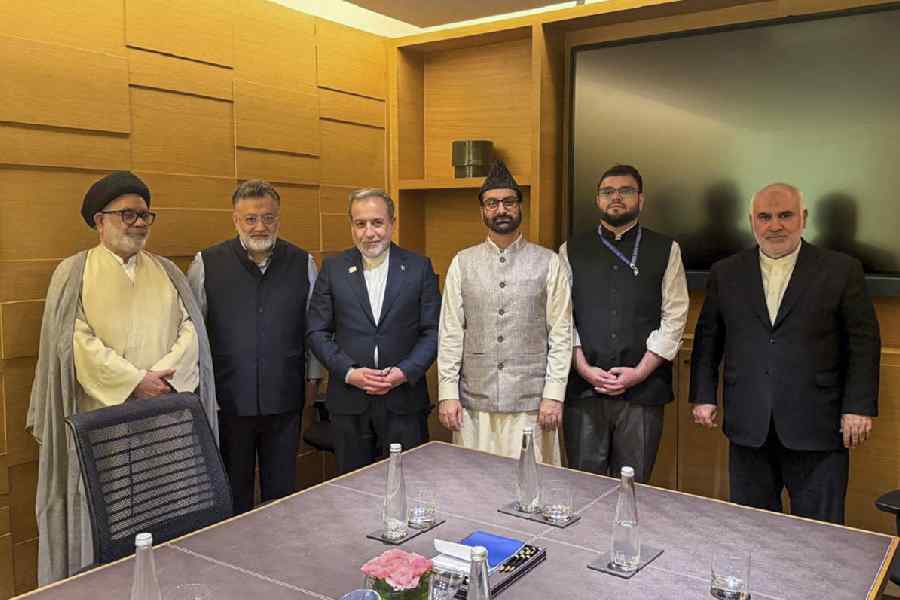
UAE and Iran Leaders Discuss Relations at BRICS Summit
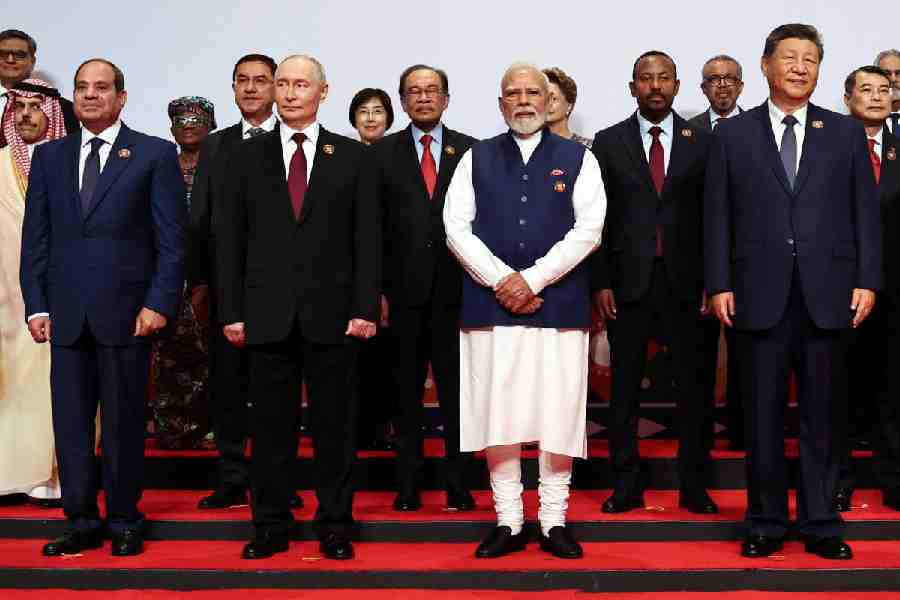
BRICS Summit Highlights Concerns Over Critical Minerals and Technology
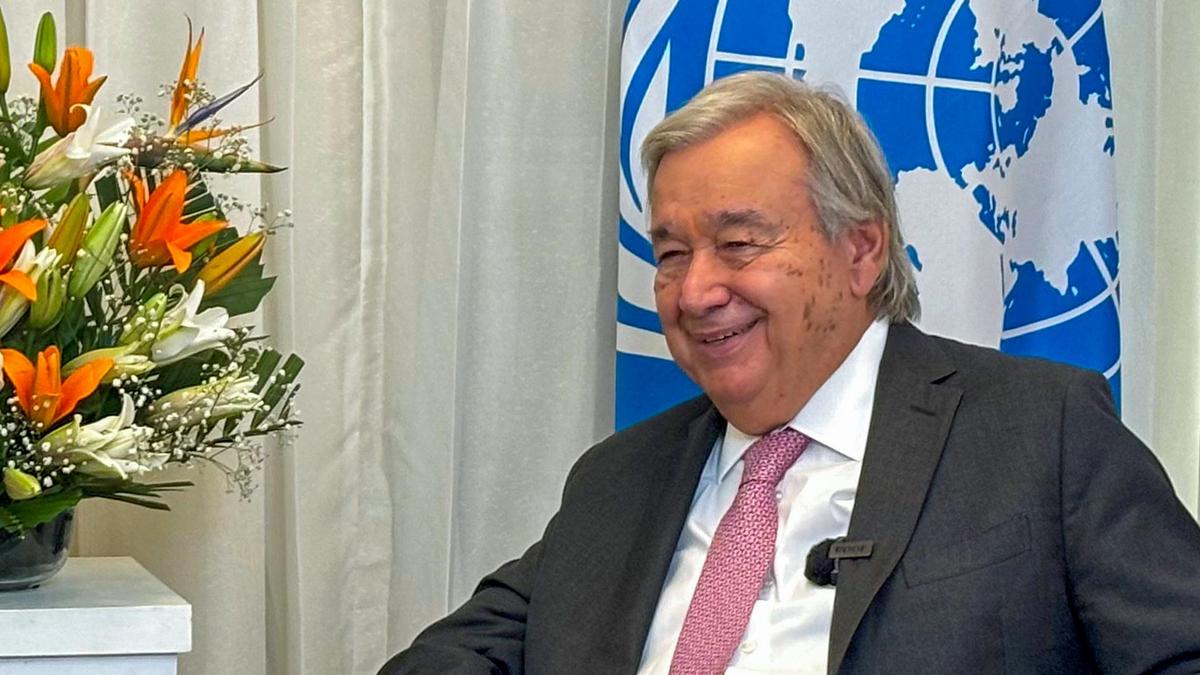
UN Secretary-General Discusses Security Council Challenges