Expectations for Income Tax Changes in India's 2026 Budget


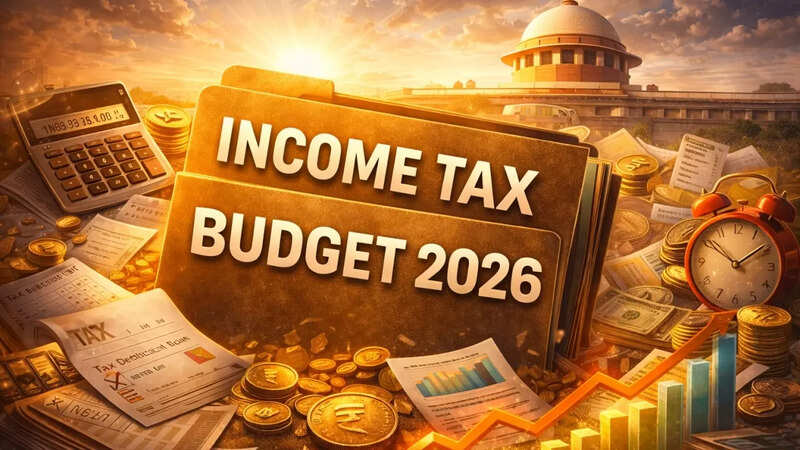
As India approaches the presentation of its Union Budget 2026-27, scheduled for February 1, taxpayers, particularly those from the salaried middle class, are keenly anticipating potential changes in income tax regulations. Key expectations revolve around income tax slabs, standard deductions, and various provisions that affect net take-home pay for many households.
Income Tax Slabs The existing structure of income tax slabs is under scrutiny, with calls for adjustments that could lead to reduced tax liabilities for the middle-income group. Proposed reforms could adapt to the rising cost of living and ensure a more equitable tax system. Recent discussions among financial analysts suggest that increasing the exemption limit could considerably ease the tax burden on individuals in this category.
Enhancements to Standard Deduction The standard deduction, which allows salaried individuals to reduce their taxable income, is another area jolting interest. Expanding the current deduction limit of ₹50,000 may be on the table, aiming to provide financial relief and support families in managing rising expenses. This change could particularly benefit those with fixed incomes, helping maintain their purchasing power amidst inflation.
Revisions in Section 80C In conjunction with modifications to income tax slabs and standard deductions, there are expectations around Section 80C, which currently allows tax deductions for investments in certain instruments such as life insurance premiums and National Savings Certificates. Raising the investment limit from ₹1.5 lakh could encourage more savings and investments among middle-class taxpayers, thereby enhancing their financial security.
Taxation on Savings and Investments Another significant expectation relates to the taxation of savings and investment products. Current policies apply varying tax rates, and simplifying tax structures could enhance public investment habits. Streamlining approaches to taxing interests accrued from savings accounts and fixed deposits might incentivise savings in the long run, aiding economic stability.
Long-term Financial Planning As the government gears up for the budget, financial experts maintain that a comprehensive approach to taxation is crucial. It would not only improve fiscal health but also motivate responsible financial behaviour among citizens. Initiatives encouraging long-term saving practices, especially in the wake of economic recovery post-pandemic, are increasingly relevant as the middle class seeks to secure their financial futures amidst uncertain global scenarios.
In conclusion, as Finance Minister Nirmala Sitharaman prepares to unveil the budget, stakeholders are keenly monitoring these pivotal aspects that could shape financial planning for millions. A balanced budget focusing on relief for the middle class could stimulate consumer confidence and spending, reinforcing growth projections for the Indian economy.
India to Supply Nepal with Daily Electricity After Flood Damage

US Space Force confirms weapons deployed in space orbit

Maruti Suzuki Exports One Lakh Units of Jimny and Fronx to Japan
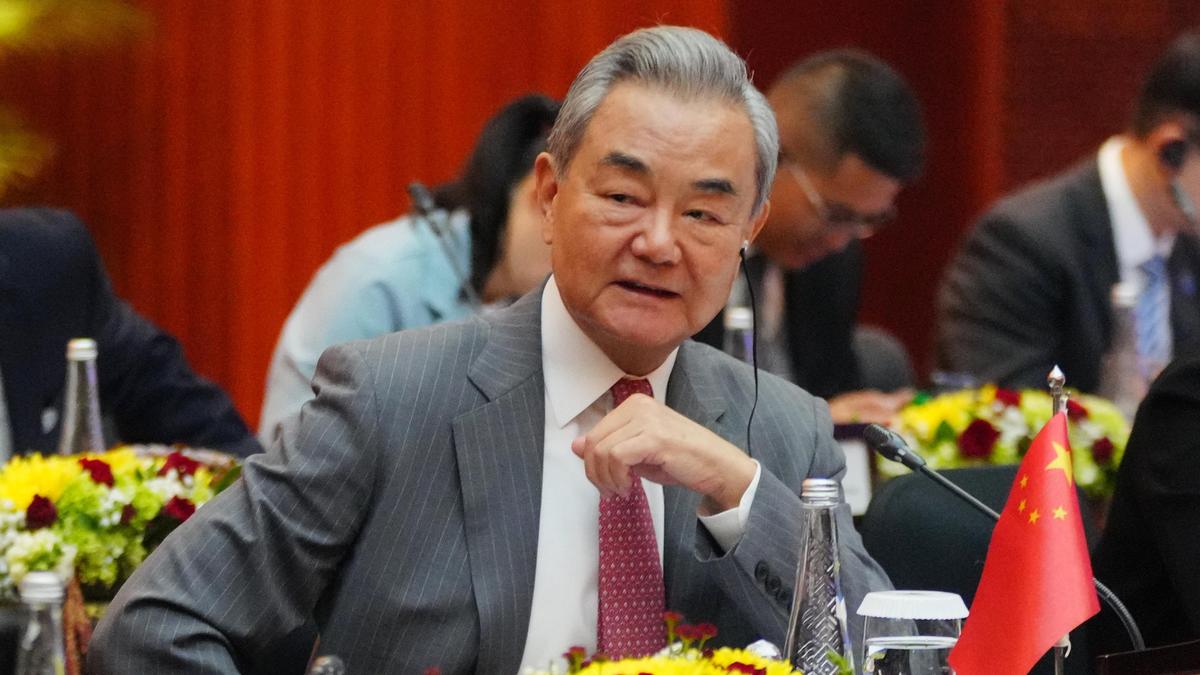
China's Foreign Minister Urges Strengthening International Ties
