India Targets Global Leadership in Space Sector by 2035


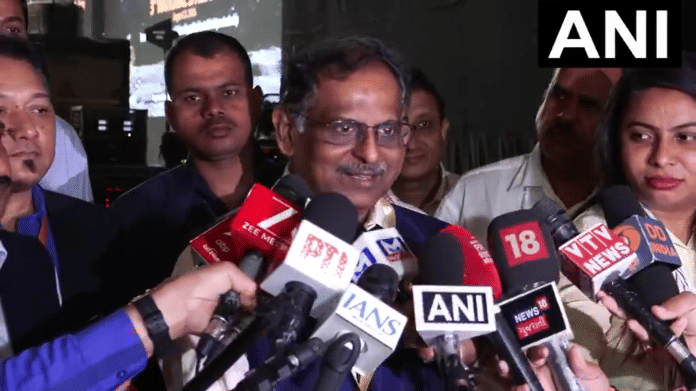
India is set to enhance its footprint in the global space sector with ambitious plans to establish its own space station by 2035. Dr. V. Narayanan, Chairman of the Indian Space Research Organisation (ISRO), announced that the first module of the proposed Bharatiya Antariksha Station has already received approval. This was revealed during the third National Space Day celebrations held in Ahmedabad. The event, which celebrated India's achievements in space exploration, focused on the theme of innovation, collaboration, and aspiring for global leadership in the space sector.
Dr. Narayanan highlighted India's development within the space programme, detailing its evolution over the past 64 years. He noted the applications across various sectors, stating, 'India started its space programme 64 years ago, and today we are serving the common man in more than 50 areas...' These areas include Earth observation, telecommunications, disaster warning, and navigation services.
The announcement aligns with the aspirations outlined by Indian Prime Minister Narendra Modi, who emphasised the need for India to cultivate a global reputation in the space industry. During a recent meeting with key leaders from 20 private space companies, Modi underscored the significance of innovation and creating an environment attractive to global talent.
'We must create such an aura that people all over the world feel that if they want to build their life, they should come to Hindustan,' he stated. Modi reiterated that India has a competitive advantage in terms of costs and a robust domestic talent pool, projecting confidence in the nation's capacity to emerge as a global hub for space startups.
India's space sector opened to private participation in 2020, which has resulted in a remarkable increase in the number of startups, from just one in 2014 to approximately 440 today. The Indian Space Policy 2023 aims to broaden participation across the space value chain, further solidifying this expansion.
Union Minister Gajendra Singh Shekhawat also marked the occasion by reflecting on India's recent achievements, particularly the successful landing of the Chandrayaan-3 mission near the Moon’s south pole on August 23, commemorated as National Space Day. He noted the importance of public-private collaboration, stating that the privatization of the space sector has unlocked vast opportunities for innovation and efficiency.
Shekhawat elaborated on how the involvement of private firms has not diminished the work of ISRO but has amplified it, enhancing the operational capabilities and reducing the time for multiple space-related activities drastically. He indicated a future where India’s contributions to the global space ecosystem grow substantially.
The ongoing Gaganyaan human spaceflight programme, along with the ambitious plans for the Bharatiya Antariksha Station, signal India's resolve to expand its capabilities beyond lunar exploration into sustained human presence in space.
With these initiatives, India aims not only to strengthen its own position in the global space industry but also to foster international collaboration in space exploration and applications. The government anticipates significant growth in private investment within the sector, projecting a rise from $9 billion to between $40 and $45 billion over the next decade. This remarkable trajectory reflects India's readiness to embrace its evolving role in the international space community.
Kerala Initiates Probe into 2006 Suicide Case Involving CEC

Extradition of Sheikh Hasina Feasible, Says Indian High Commissioner

Punjabi Makeup Artist Mad Sandhu Shot Dead in Amritsar

India Achieves Fourth Place at Asian Games 2026 Through Late Success