India Targets Rs 3 Lakh Crore Defence Production by 2029


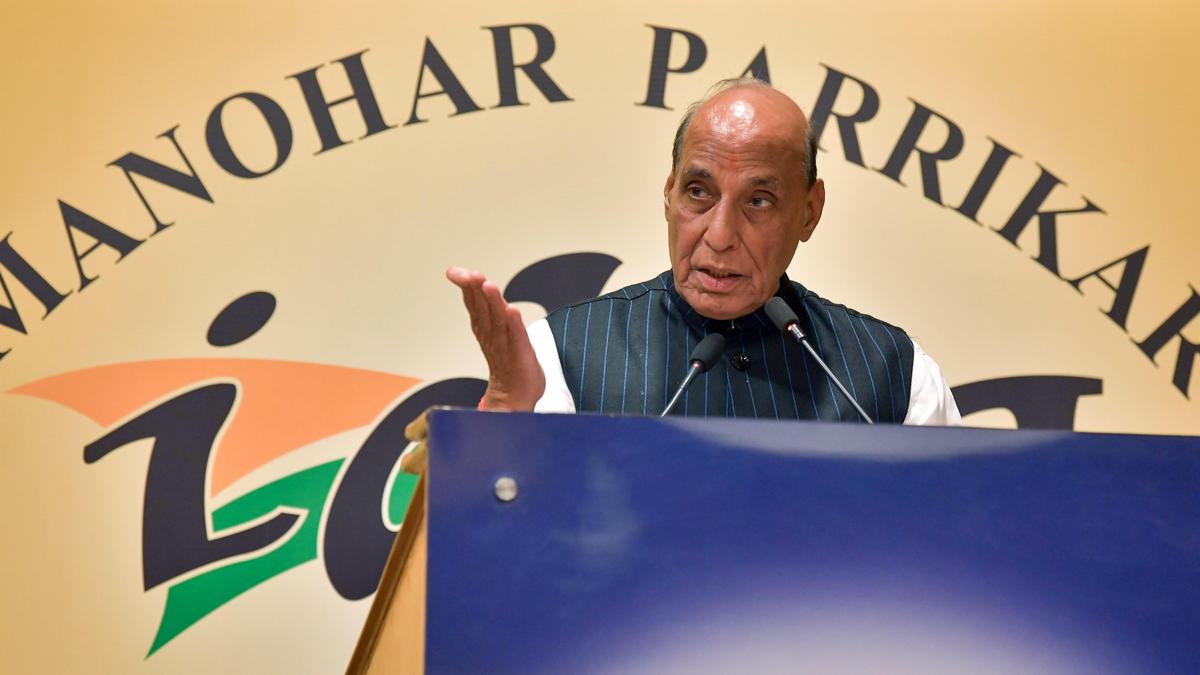
India is focusing on developing a substantial domestic defence industry as part of its strategic vision for national security. During a meeting with the Defence Ministry's Consultative Committee in Jaisalmer, Defence Minister Rajnath Singh stated that enhancing indigenous military capabilities is crucial for addressing the country's security challenges.
Singh highlighted the government's commitment to reducing reliance on foreign defence sources by bolstering domestic production. "Strategic autonomy and indigenous technological capabilities are essential to safeguarding national security," he noted.
The discussions at the meeting included emerging security threats, advancements in warfare technology, and the importance of creating a military that is ready for future challenges. Key priorities outlined by Singh included the expedited integration of next-generation platforms and weaponry, enhancing joint operations among the armed services, and ensuring a coordinated utilisation of military resources.
Singh reiterated the necessity for the armed forces to be equipped to face evolving challenges by leveraging advancements in technology and human resources. He mentioned that the defence budget for the financial year 2026-27 has seen an increase, now amounting to ₹7.85 lakh crore, with a capital outlay of ₹2.19 lakh crore.
Since 2014-15, domestic defence production has surged from ₹46,429 crore to a projected ₹1.78 lakh crore for 2025-26. Additionally, defence exports, which stood at less than ₹2,000 crore in 2014, are expected to reach approximately ₹40,000 crore.
Singh revealed, "We aim for defence production worth ₹3 lakh crore and defence exports valued at ₹50,000 crore by 2029." The transformation brought about by technology in warfare was also emphasised, acknowledging its critical role in the evolving nature of conflicts.
He underscored that the strength of a military is not solely defined by technological resources but also by the capabilities and readiness of its personnel. Singh noted that the three branches of the armed forces have continuously adapted their structures to better handle modern warfare, referencing new formations like 'Asani', 'Bhairav', and 'Shaktiban' that are tailored to present operational needs.
Modernisation, he stated, is an ongoing necessity, needing consistent efforts to enhance operational readiness against emerging technologies and security challenges. The Defence Ministry stated that the recent meeting focused on translating strategic intentions into effective implementation, emphasising a structured and phased approach to military modernisation.
The ultimate goal is a military prepared to respond effectively to various security challenges, both conventional and unconventional, across multiple domains.
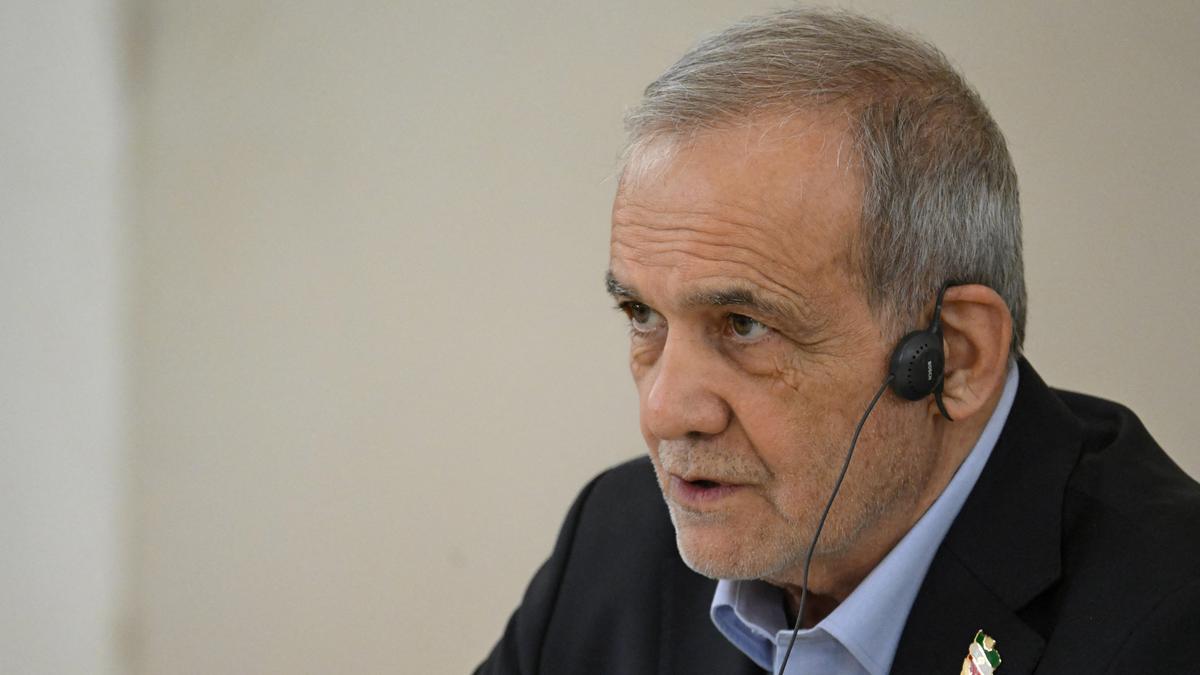
US Strikes Qeshm Island amid Ongoing Diplomatic Efforts with Iran
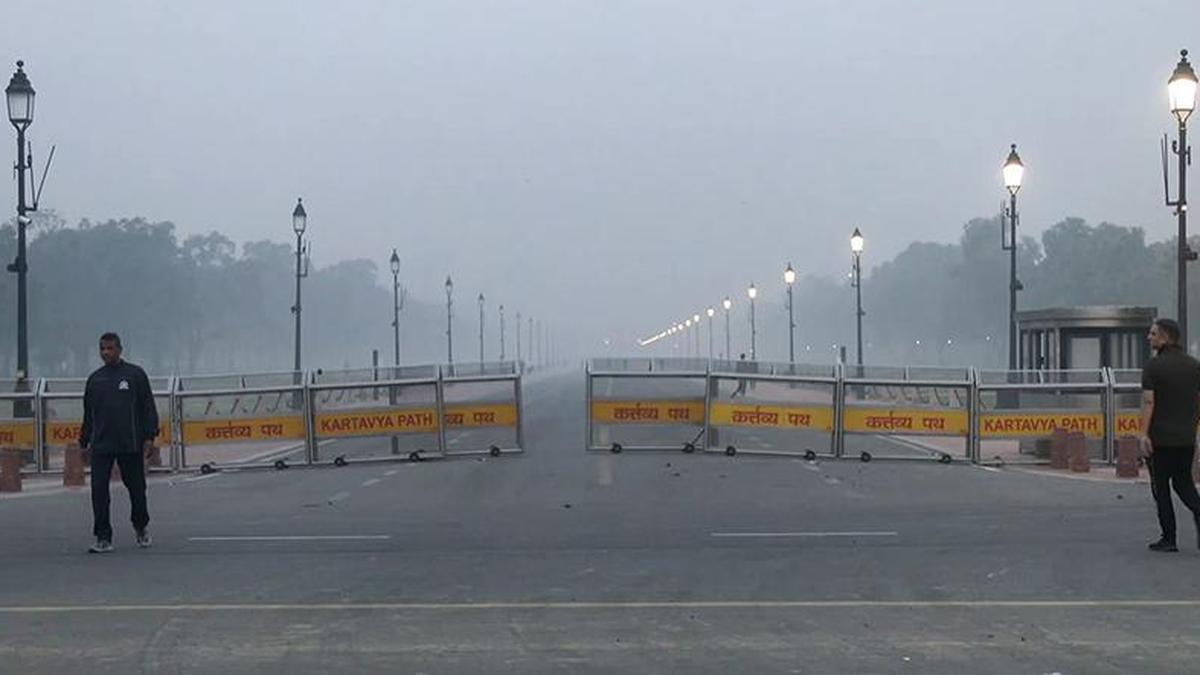
Delhi Faces Severe Air Pollution Due to Fires in Nearby States
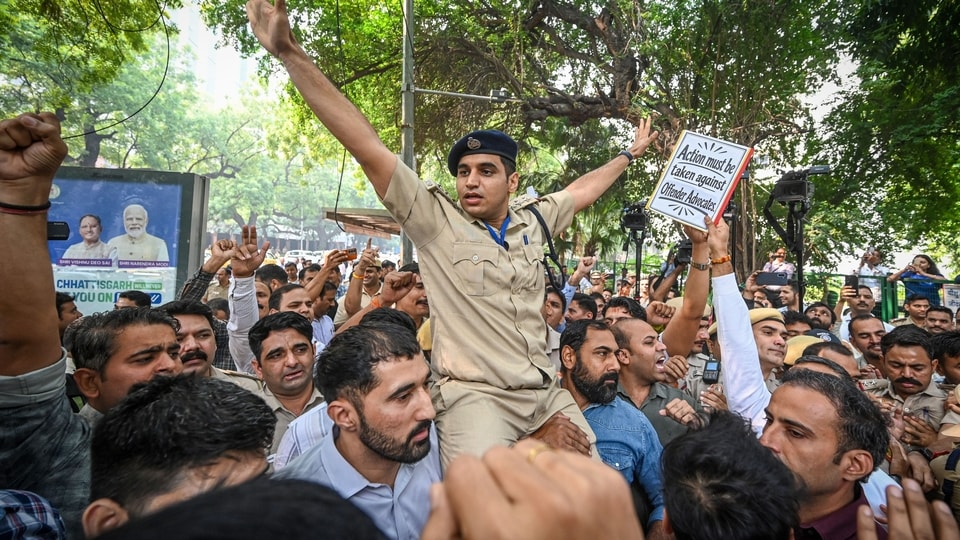
Delhi Police ACP Manasvi Vashishta Suspended After Protest

Rajinikanth's 'Jailer 2' Approaches Record Box Office Figures