Delhi Faces Severe Air Pollution Due to Fires in Nearby States


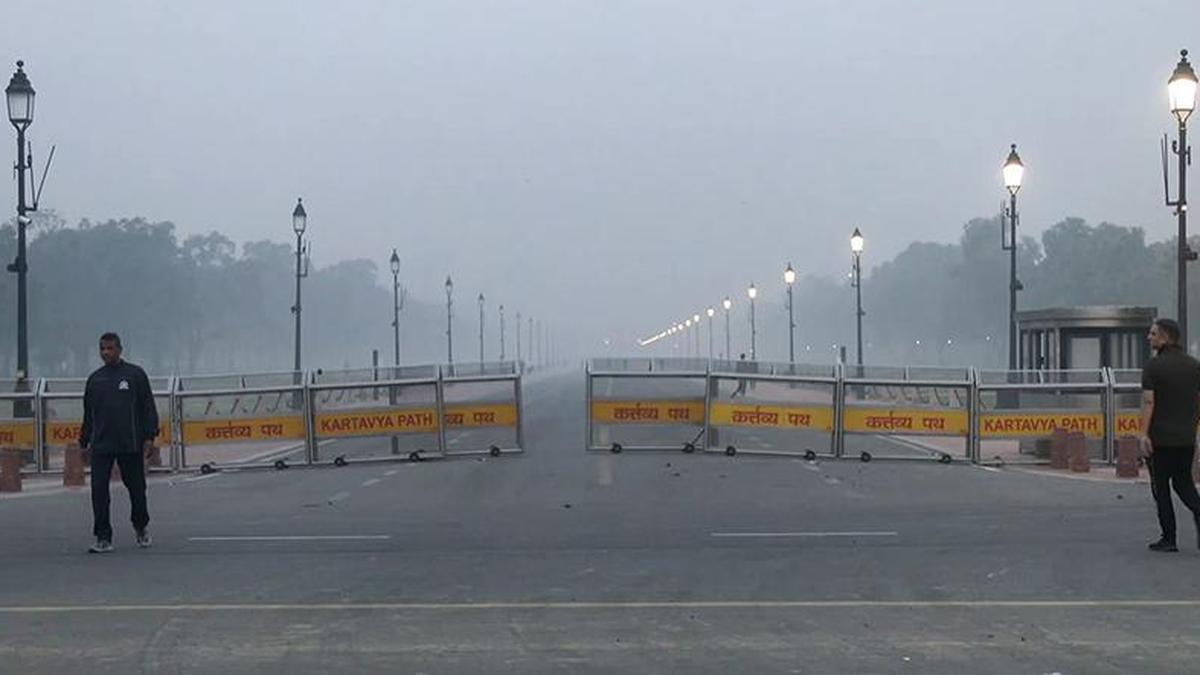
Delhi has experienced a significant decline in air quality due to smoke from agricultural fires ignited in neighbouring Punjab and Haryana. An analysis by Hindustan Times revealed that pollution levels rose sharply, leading to an Air Quality Index (AQI) reading of 324 on Monday, categorising the air as 'very poor'. This spike was first noted on Sunday when the AQI reached 261, up from a more moderate 117 just a day earlier.
As per the Central Pollution Control Board, this marks the first instance of an AQI classified as 'very poor' this season. The last occurrence was recorded on February 11. The conditions leading up to this spike included minimal winds and stagnant air, which are noted contributors to increased pollution levels.
Experts indicate that the primary cause of this surge in pollution can be traced back to stubble burning practices by farmers in states surrounding Delhi. The NASA satellite, which provides data on stubble burning, detected a notable increase in agricultural fires, particularly after October 31. Farmers reportedly lit most fires in the late afternoon and evening to avoid detection and during periods of low air quality measuring.
Weather conditions played a part in exacerbating the air quality issues. Weather data indicated that, although conditions on October 18 and 28 were similarly stagnant, they did not lead to such extreme pollution levels. On the night of November 1, particulate matter measuring 2.5 micrometres in diameter (PM2.5) averaged 194 micrograms per cubic metre, significantly exceeding India's permissible limit of 60 micrograms per cubic metre.
The situation has prompted the implementation of GRAP-II, a set of emergency pollution control measures, in the National Capital Region (NCR). These curbs aim to mitigate the effects of the severe air quality, impacting traffic and daily life across the city as police conduct border checks to manage the influx of pollution.
In recent days, PM2.5 levels have continued to rise as pollutants from outside the city compounded with local emissions from traffic. This trend indicates that Delhi is not just grappling with its own pollution but also with contributions from external sources, particularly wildfires around harvest times in northern India.
As authorities assess the situation, experts continue to investigate the correlation between agricultural practices and urban air quality, aiming for long-term solutions to prevent similar occurrences in the future.
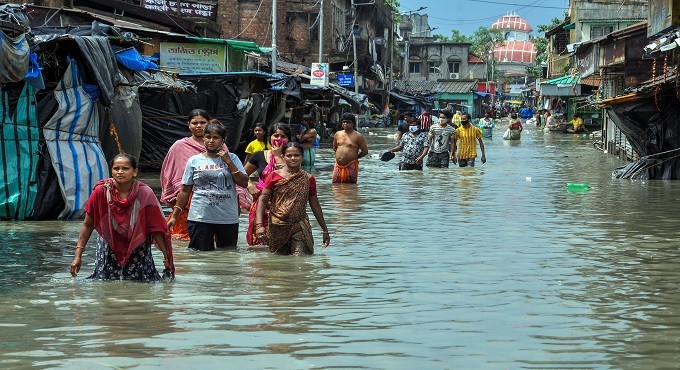
Cyclone Murasu Hits Andhra Pradesh with 120 km/h Winds
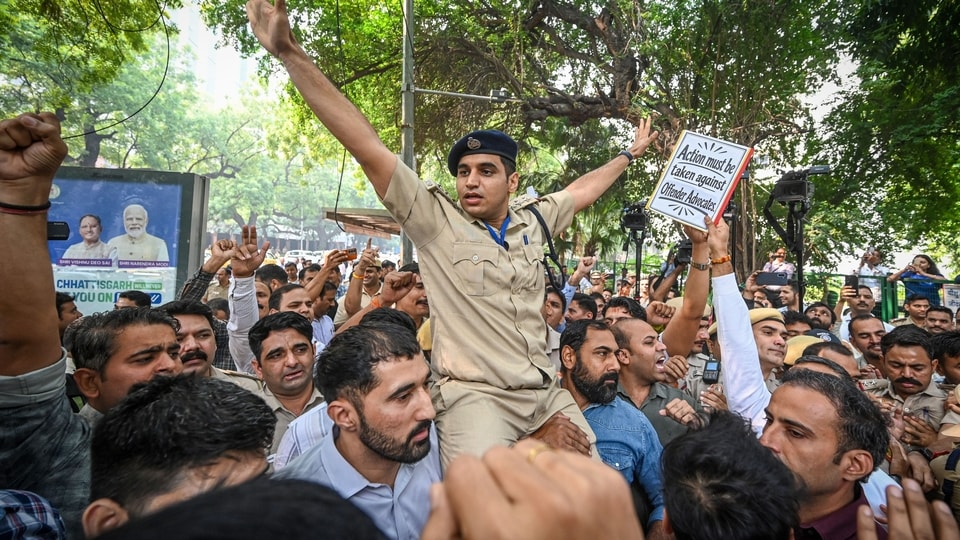
Delhi Police ACP Manasvi Vashishta Suspended After Protest

Rajinikanth's 'Jailer 2' Approaches Record Box Office Figures

Shah Rukh Khan Releases First Song from 'King' on His Birthday