India's Rice Production Expected to Decrease by 6.5% Due to Drought


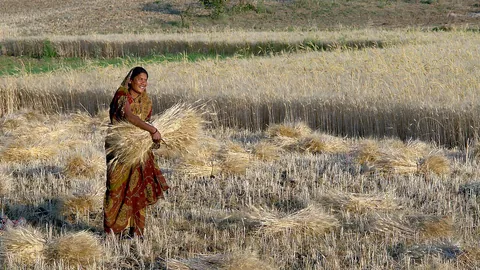
India's rice production is anticipated to decline this year, primarily due to lower-than-normal rainfall during the critical maturation phase of the crop. Industry officials have noted that this reduction could reach approximately 10 million metric tonnes, equating to a 6.5% decrease from last year's record yield of 154 million tonnes. This projected fall represents the most significant drop since the 2009-10 season, which was affected by a drought induced by the El Niño phenomenon.
The continued dry spell over recent weeks has diminished yield potential across several southern and eastern states, according to BV Krishna Rao, president of the Rice Exporters Association, as reported by Reuters. This anticipated reduction in output may lead to increased local rice prices, making Indian exports less competitive. Current trends indicate that rice prices have already started to rise in other major exporting countries, including Thailand and Vietnam.
Since the commencement of the four-month monsoon period on June 1, India has experienced a 15% shortfall in rainfall, with some rice-producing states witnessing deficits as high as 42%. Government data indicates that the area sown with summer-planted rice has decreased to 42.68 million hectares as of September 11, marking a nearly 4% decline compared to the previous year. Summer-sown crops typically account for over 80% of India's total rice production.
The winter-sown rice area may also see a decline due to below-normal reservoir levels, as highlighted by Nitin Gupta, deputy country head at Olam Agri India. Expectations of diminished production have already prompted domestic rice prices to rise, consequently pushing up export prices to their highest in over a year.
Higher returns are anticipated for farmers cultivating premium rice varieties, which could result in reduced sales to government procurement agencies. Nevertheless, despite the predicted decrease in production, India is not expected to face immediate shortages for exports, thanks to significant stockpiles accumulated from previous record harvests. As of September 1, India’s rice reserves, including unmilled paddy, stood at 59.6 million tonnes, markedly exceeding the government's target of 10.3 million tonnes by October 1.
An anonymous dealer from a global trading firm indicated that these ample reserves might allow India to sustain its export levels without implementing any restrictions, despite the pressures of lower domestic output. This situation presents a unique opportunity for India, enabling it to continue exporting rice at record levels even as local prices experience upward pressure.
Andhra Pradesh Chief Minister Commends Modi on Economic Progress
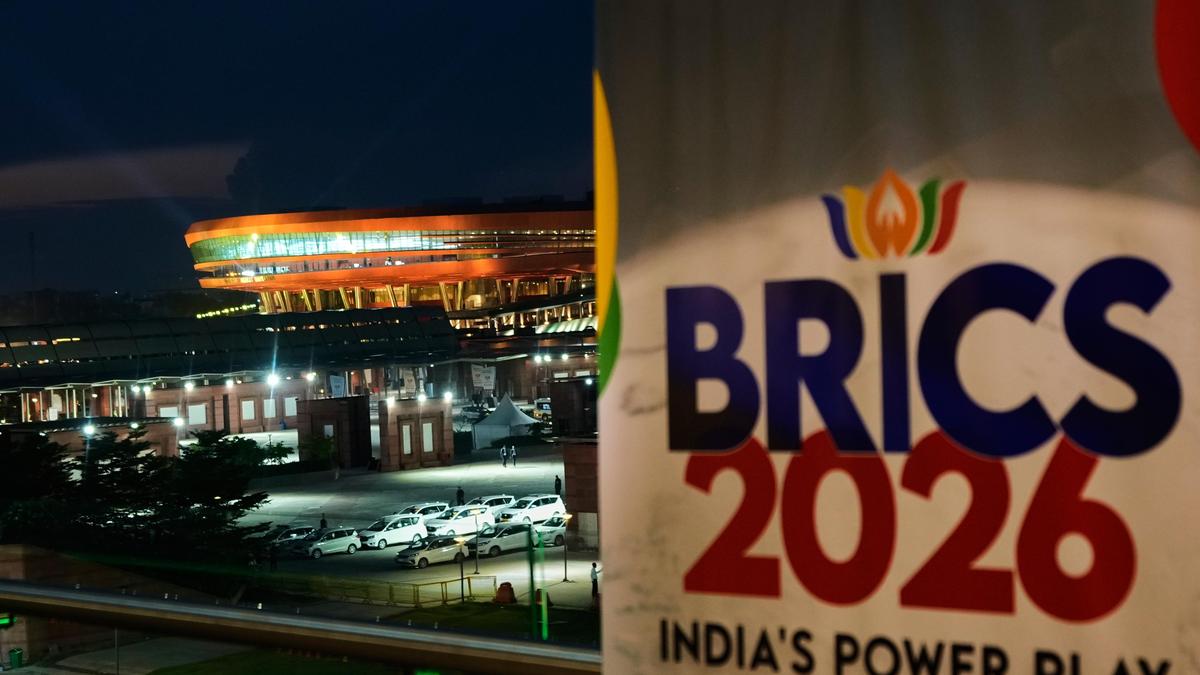
BRICS Summit Highlights India's Growing Global Influence

Bangladesh's Prime Minister Extends Birthday Wishes to PM Modi

Collision Between Indian and Pakistani Naval Vessels Raises Concerns