India Proposes Significant Delimitation Changes in Lok Sabha


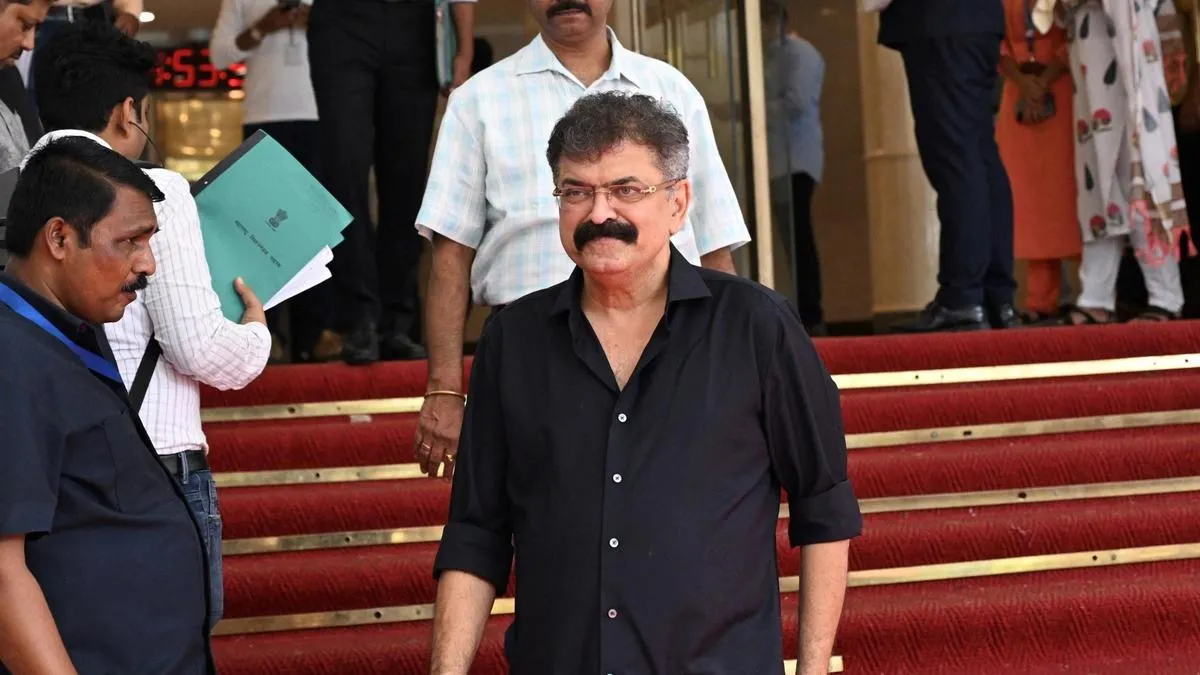
The Indian government has introduced the draft Constitution (One Hundred and Thirty-Second Amendment) Bill, 2026, which aims to alter the current framework for constituency delimitation. This proposal includes a 50% increase in the number of Lok Sabha and Legislative Assembly seats across all states, and plans to freeze constituency boundaries until the next census in 2051.
Under the provisions of the draft Bill, the maximum strength of the Lok Sabha is set to rise from 550 to 850 members. Additionally, the total limit for representatives from states is proposed to increase from 530 to 815, while the allocation for union territories will grow from 20 to 35 members. The size of state Assemblies is also addressed, with an increase from a cap of 500 to 650 Members of Legislative Assemblies (MLAs).
This move is framed as necessary to implement a 33% reservation for women in both the Lok Sabha and state Assemblies. The text of the draft Bill articulates that the reservation of seats for women is intrinsically linked to the constitutional requirement for readjustments in the allocation of seats. The Delimitation Commission, which operates under the mandate of the Election Commission of India, has the authority to delineate these constituencies.
The Constitution Amendment Bill is scheduled for introduction in the Lok Sabha during a special sitting on November 30. Previous attempts to pass a similar delimitation Bill were unsuccessful, failing to secure the necessary two-thirds majority among members present in the Lok Sabha. In an earlier session, a preceding version of the Bill did not garner sufficient support, partly due to concerns about uniformity in increases across states based on population.
Union Home Minister Amit Shah, while discussing the proposed increase, articulated that the goal is to augment the existing Lok Sabha by 50% to ensure that, once one-third of the seats designated for women are accounted for, the overall representation closely mirrors the previous male-dominated structure.
Political backing for the current proposal has been anticipated from parties such as the Dravida Munnetra Kazhagam (DMK) and the Nationalist Congress Party (NCP), as the increase in seats and a freeze period align with their key demands. The composition of the National Democratic Alliance (NDA) has reportedly strengthened due to recent political shifts, with defections adding to their numbers. The political dynamics are likely to play a crucial role in the upcoming discussions surrounding this significant legislative initiative.
India Proposes Draft Delimitation Bill, Expanding Lok Sabha Seats
India's Chief of Defence Staff Highlights Modern Warfare Challenges
Andhra Pradesh Chief Minister Advocates for 50% Increase in Lok Sabha Seats
President Droupadi Murmu Advocates for Authentic Ayurveda Promotion