India Officially Names 27 Locations in Arunachal Pradesh


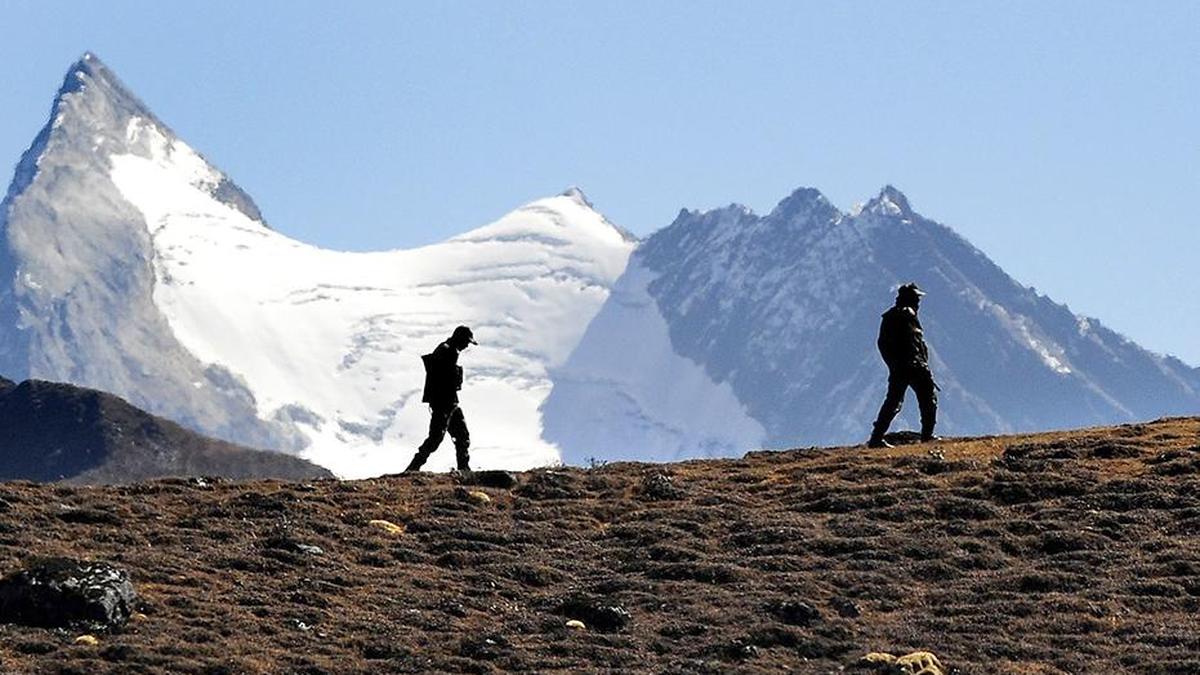
The Indian government has recently formalised the naming of 27 locations in Arunachal Pradesh, a state that shares a contentious border with China. This move has been interpreted as a strategic effort to assert India's claims over the region amid heightened tensions between the two nations.
In a statement from the Ministry of Home Affairs, the names have been standardised to promote clarity and ensure consistent references to these sites. Arunachal Pradesh has long been at the centre of a boundary dispute, with both India and China laying claim to significant parts of the territory.
The standardisation includes various geographical features and settlements that are of administrative importance in Arunachal Pradesh. As per local reports, the initiative aims to enhance the recognition and alignment of regional names with those officially used by the Indian government.
This action by Indian authorities comes at a time when there have been increased military engagements and diplomatic discussions concerning the Sino-Indian border dispute. Arunachal Pradesh has seen tensions manifest in various forms, including troop deployments and patrols by both nations in the area.
Political analysts believe that the naming is a proactive measure by India to reinforce its sovereignty over the region. Additionally, this could help in promoting local identity and integrating the state more firmly into the national framework. In light of these developments, there is speculation regarding China’s potential response, as the issue of names and territorial claims often stirs national sentiments on both sides.
International observers have noted that the naming strategy might reflect India’s broader efforts to counter Chinese aggression in the region. The situation will be closely monitored by geopolitical analysts, who suggest that the ongoing border disputes will require sustained diplomatic engagement from both nations to prevent escalation.
As these developments unfold, there remains a focus on the necessity for peaceful dialogues to resolve the longstanding territorial disagreements, which have implications not only for India and China but also for regional stability in South Asia.
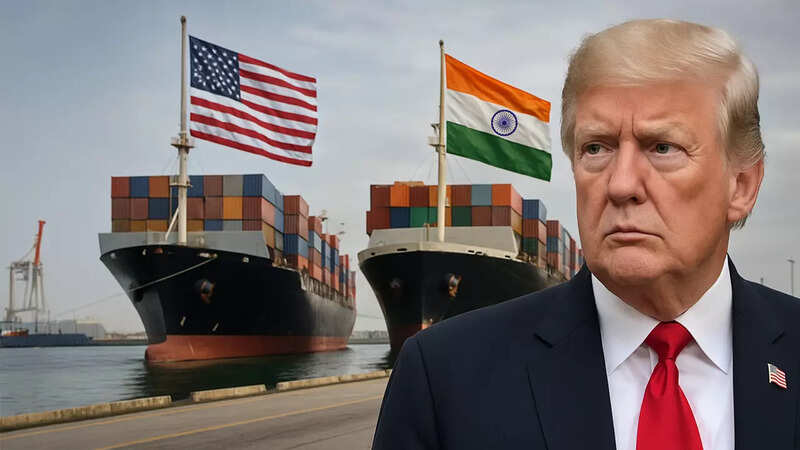
Impact of Trump's Tariff Law on India's Oil Imports and Trade
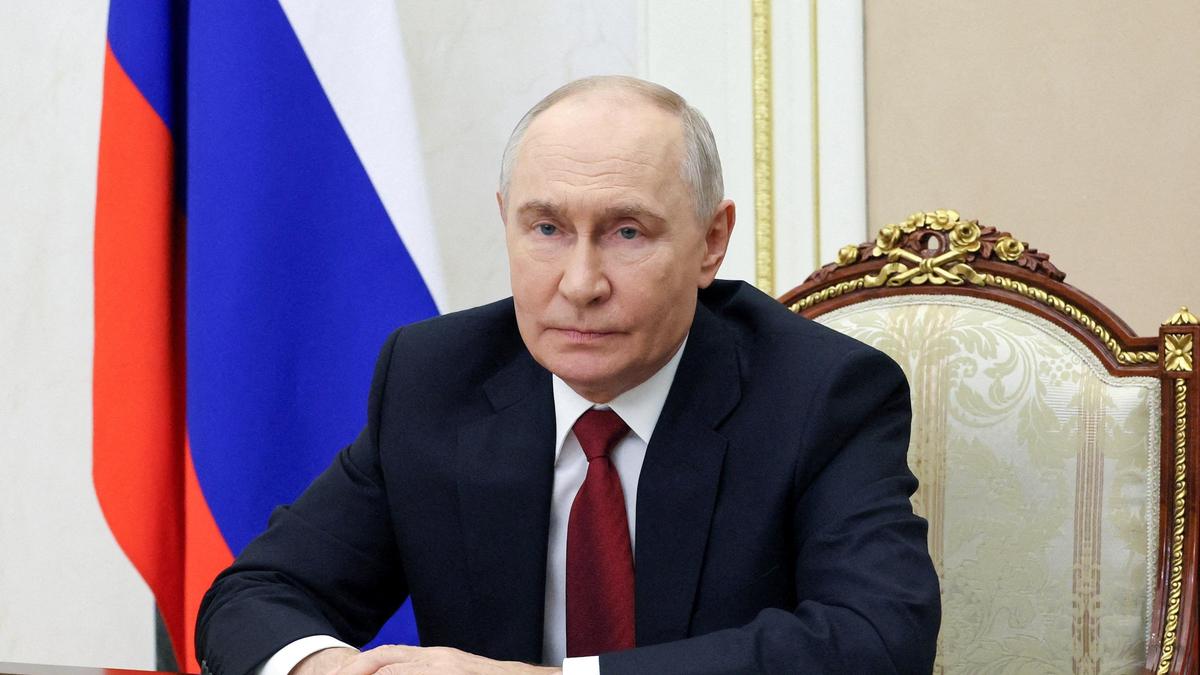
United Russia Party Secures Supermajority Despite Ukraine Conflict
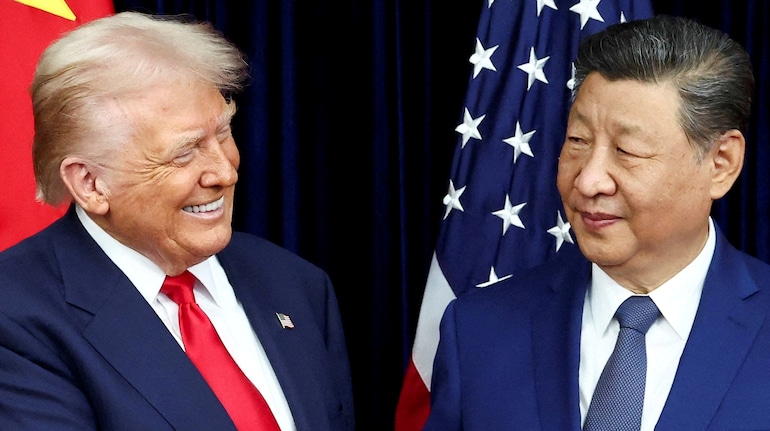
Xi Jinping's US Visit Planned Amid Economic Tensions with Trump
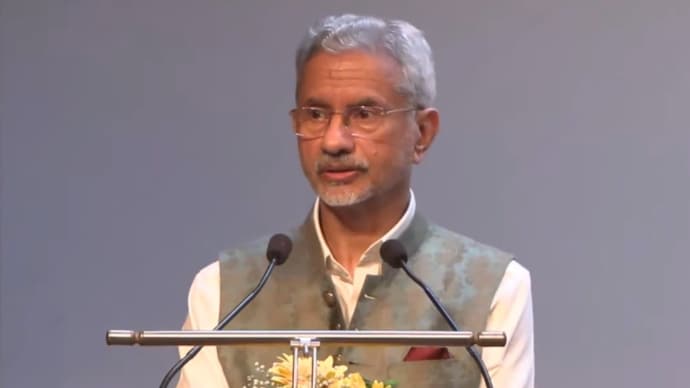
India's External Affairs Minister to Address UNGA Amid US Tariff Changes