India-New Zealand Free Trade Agreement Comes into Effect on October 20


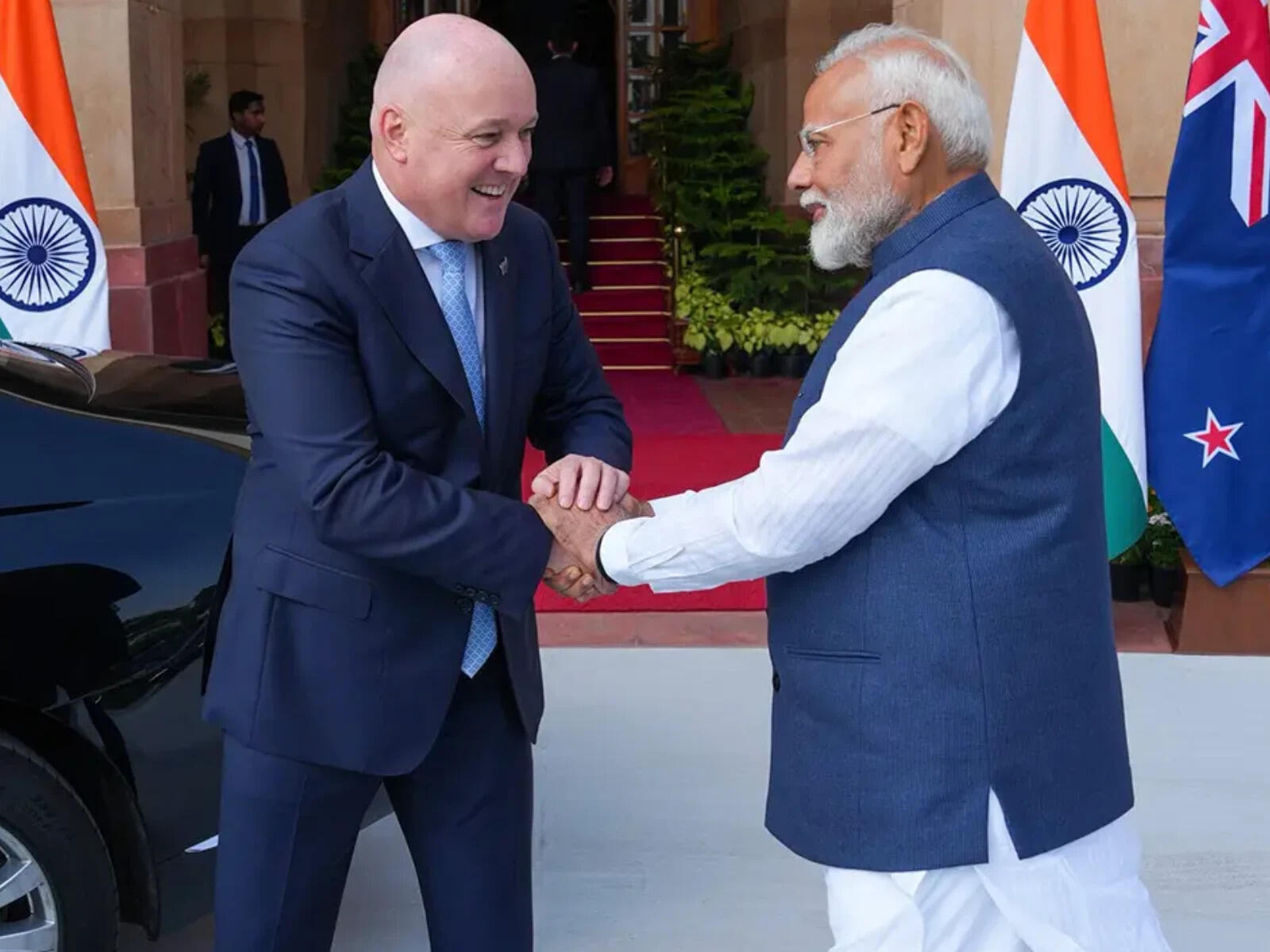
The India-New Zealand Free Trade Agreement (FTA) is set to commence on October 20, marking a significant milestone in the bilateral trade relationship. The agreement aims to enhance trade and investment prospects between the two countries by providing duty-free access to Indian exports to the New Zealand market.
Under the terms of the FTA, India will gain duty-free access for 100% of its exports to New Zealand. In return, approximately 95% of New Zealand's exports to India will also be subject to either zero tariffs or significantly reduced levies. This reciprocal arrangement is expected to stimulate both economies and foster stronger commercial ties.
Key sectors set to benefit from this agreement include engineering exports, particularly in automobiles, industrial machinery for the dairy sector, medical and scientific instruments, office equipment, and products made of iron and steel. According to the Engineering Export Promotion Council of India (EEPC), India's engineering exports to New Zealand have shown consistent growth and are anticipated to expand further under the FTA provisions.
The agreement also holds potential for increased foreign direct investment (FDI), with New Zealand committing $20 billion to be invested in India over the next 15 years, targeting sectors such as startups, manufacturing, and infrastructure. This investment drive aims to create a more conducive environment for business collaborations and joint ventures between the nations.
Further, the agreement includes provisions to protect sensitive Indian agricultural products. Certain products, such as dairy, onions, almonds, chickpeas, and sugar, have been excluded from the duty-free access to safeguard local industries.
Both governments are optimistic that this FTA will double their bilateral trade, with an ambitious target set at ₹35,000 crore within the next four to five years. This endeavour reflects a broader strategy to enhance trade relations with countries in the Asia-Pacific region.
The implementation of the India-New Zealand FTA comes at a crucial time as both nations seek to diversify their trade partnerships and promote economic recovery following the impacts of the global pandemic. Industry leaders and government officials have expressed their enthusiasm for the opportunities that this agreement presents.
As the FTA takes effect, stakeholders from both countries are expected to engage actively in discussions to maximise the benefits of the new trade landscape.

Canada and India Accelerate Trade Talks Ahead of December Visit

Richa Chadha Commends Salman Khan's Stand Against Body-Shaming

Delhi University Students Express Concerns Over Safety After Assault

Legal Dispute Arises Over 'Vande Mataram' in Supreme Court Hearing