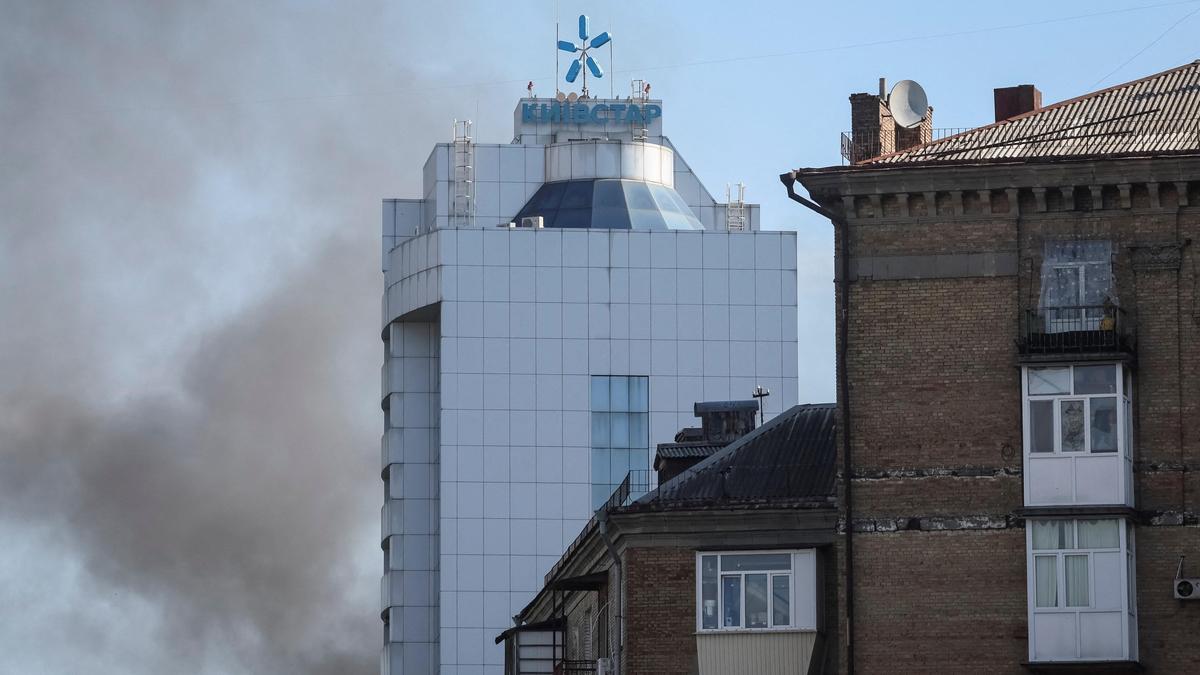
India Navigates Crude Oil Supply Challenges Amid West Asia Crisis


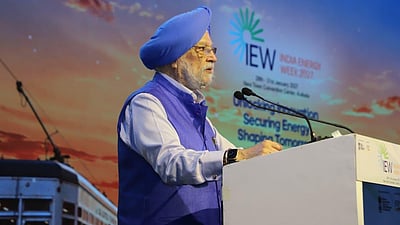
Union Minister for Petroleum and Natural Gas Hardeep Singh Puri addressed the ongoing challenges in global energy supply during a recent event in Kolkata. He stated that India has successfully navigated disruptions in crude oil and natural gas supplies linked to conflicts in West Asia, particularly those affecting the Strait of Hormuz. However, Puri acknowledged that the global energy landscape remains challenging.
At the event organised by the Merchants' Chamber of Commerce and Industry, Puri expressed confidence in India’s handling of current energy issues. He remarked, "So far we have navigated that uncertainty. In fact, I would say we have insulated ourselves from the turbulence." He assured attendees that the government is committed to maintaining control over the situation moving forward.
Puri elaborated that there is no shortage of energy in India despite international supply chain disruptions, indicating that approximately 104 million barrels of crude oil are available daily, while global consumption stands at around 94 million barrels. He attributed the stability in domestic fuel pricing to government measures, asserting that India's energy situation is not as grim as portrayed by international narratives.
He highlighted the risks associated with crucial transit routes, noting that the ongoing West Asia crisis impacts around 40% of energy movement globally. To mitigate these risks, India has diversified its crude sourcing network to 41 countries, an increase from the previous 27. This strategy aims to lessen reliance on any single region, especially given India's significant suppliers such as Qatar, the UAE, and Saudi Arabia, which are near the conflict zones.
Puri also underscored the importance of Liquefied Petroleum Gas (LPG), citing rising domestic connections which grew from 140 million in 2014 to 335 million by 2026. To manage this demand, daily domestic LPG production has increased from 34,000 metric tonnes to 54,000. Encouraging a move towards alternative energy sources, he hinted at a shift towards renewables.
He affirmed the government's goal of ensuring energy availability and affordability. Three cuts to central excise duties on fuels since November 2021 have aimed to alleviate pressure on consumers, with the latest reduction resulting in lower petrol and diesel prices. Despite public sector oil marketing companies facing financial challenges, the government is providing necessary support to maintain stability in the sector.
Puri further highlighted that India's energy requirements are growing substantially, currently at three times the global average, driven by robust economic activity. Given that the petroleum sector contributes around 19% of total tax revenues, fluctuations in energy management could significantly impact the broader economy.
In addition to the ongoing energy discourse, Puri announced the upcoming launch of the GOBARdhan Scheme on October 1, which aims to promote bioenergy by converting organic waste into Compressed Biogas and organic manure. The initiative is expected to bolster rural energy infrastructure with a substantial investment of INR 23,731 crore.
As India continues to adapt to the global energy climate, the Minister's remarks reflect a proactive approach towards maintaining energy security and sustainability while navigating geopolitical challenges.
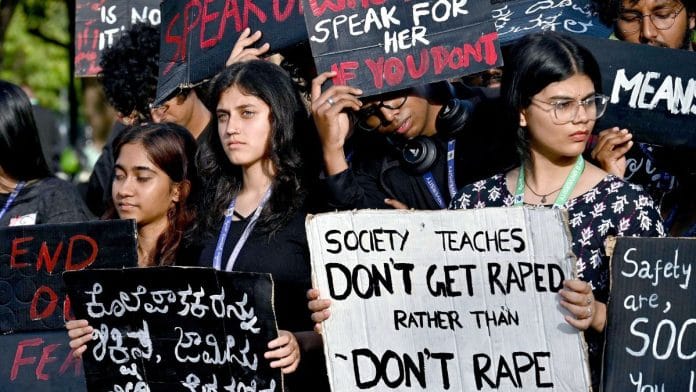
Campus Violence at Punjab University Sparks National Debate
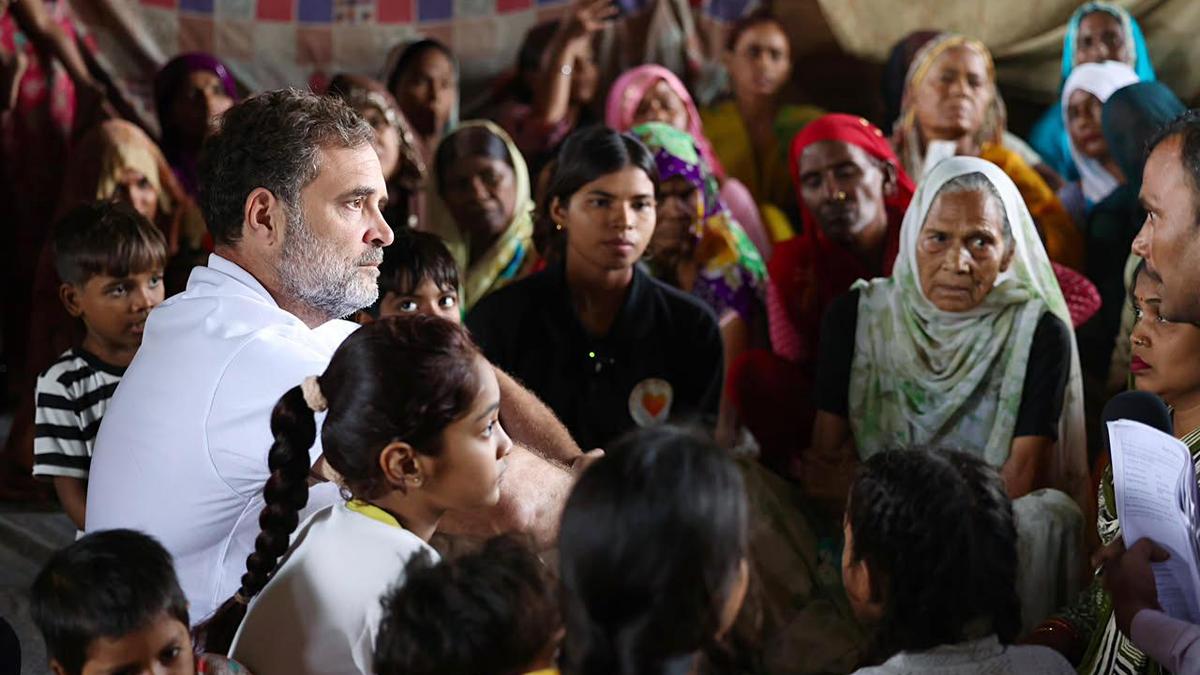
Rahul Gandhi Questions Voter Deletions During Visit to Bela Estate
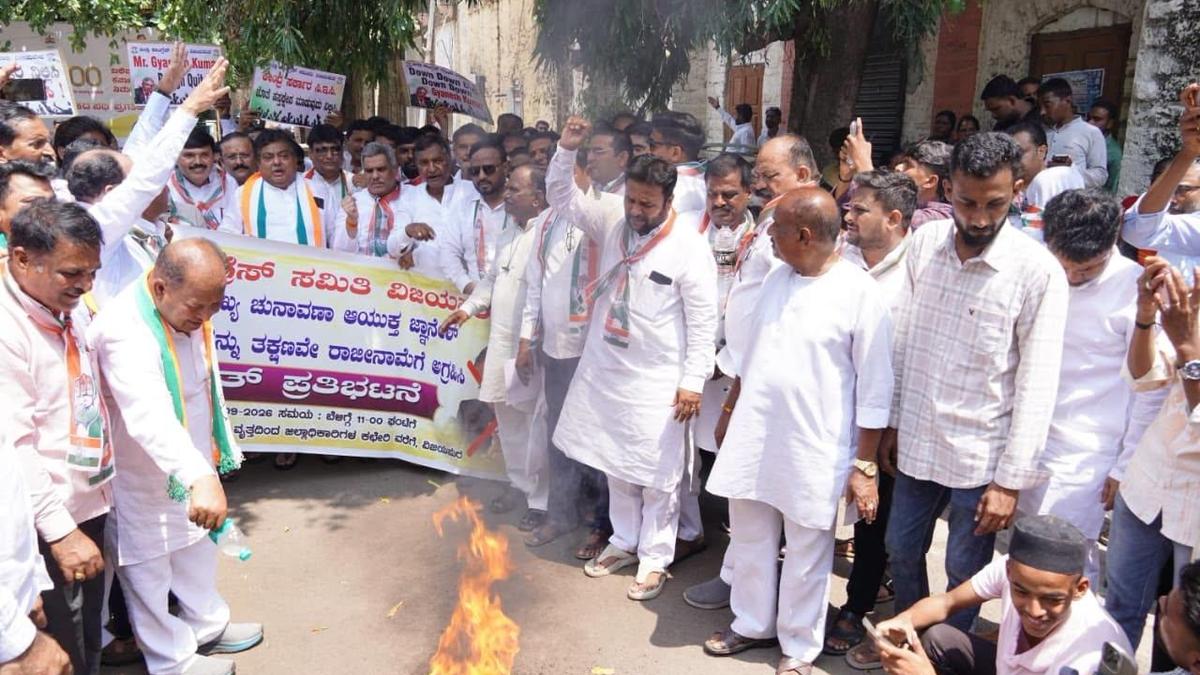
Congress Protests Election Commission Over Voter Deletions in Tamil Nadu
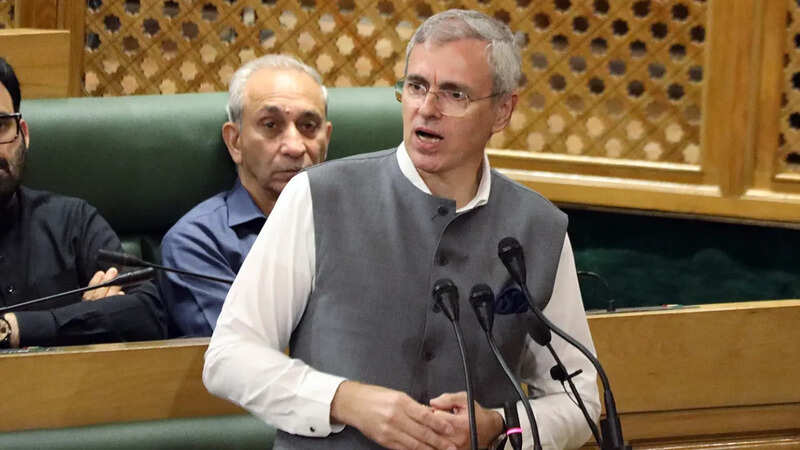
BJP Initiates No-Confidence Motion Against Jammu and Kashmir Speaker