India's Mines Bill: Central Control Over Mineral Rights Sparks Debate


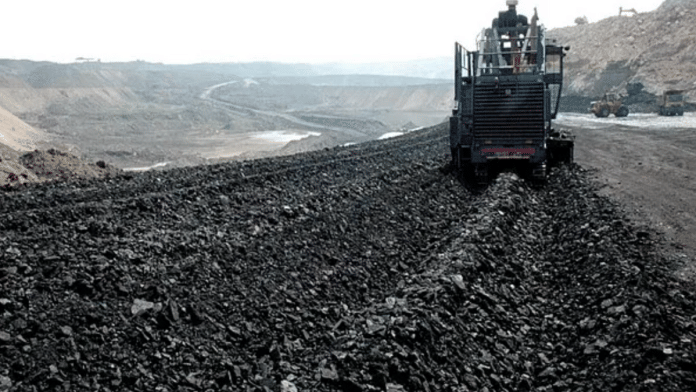
Amidst ongoing disruption from opposition members, both the Lok Sabha and the Rajya Sabha have approved the Mines and Minerals (Development and Regulation) Amendment Bill 2026. This legislation aims to simplify the mining sector by removing the complicated tax structures that have rendered mining commercially unfeasible in India.
The bill was swiftly passed in the Lok Sabha in under ten minutes, with no discussion. Its primary objective is to transfer regulatory authority over mineral-bearing lands from state governments to the Central Government. Specifically, the bill prohibits states from imposing taxes, cesses, or any additional levies on mineral rights and mineral-rich lands.
The current framework, established under the Mines and Minerals (Development and Regulation) Act of 1957 (MMDR Act), allows state governments to collect royalties and impose taxes, resulting in a perception among industry stakeholders that multiple taxes create an unsustainable burden. As per the government, the amendments are intended to enhance the ease of doing business in the mining sector.
Critics have voiced significant concerns regarding these amendments, highlighting that they undermine the Supreme Court's 2024 ruling which upheld the authority of states to levy taxes on mineral rights. In this landmark judgement, the court found that such taxes are distinct from the royalty provisions outlined in the MMDR Act.
Opposition parties have raised alarms about potential infringements on federalism, arguing that these amendments could lead to substantial revenue losses for state governments. Manish Tewari, a senior member of the Congress party, expressed his dismay on social media, stating, "This needs to be referred to a Joint Parliamentary Committee promptly. It should not be passed without proper discussion in the house. It has grave implications for the Federal balance of power."
The bill proposes to safeguard the central authority over mineral-bearing lands and provide clear parameters for federal control. Despite India's rich mineral resources, the sector has been lagging in economic contribution, accounting for less than two percent of the national economy. This failure is attributed to uneven taxation and regulatory pressures from state governments, which have only served to elevate operational costs.
According to the bill’s statement of objects and reasons, the presence of multiple and inconsistent taxes has hindered development within the mineral industry. The new section 9D asserts that no state government may impose taxes or other levies related to mineral rights without adhering to guidelines established by the central government.
The mining sector has long called for reforms to address these inconsistencies and enhance the commercial viability of mining operations. The government believes that these reforms will alleviate the financial strain on mining activities, supporting growth and attracting investment.
Overall, while the Mines and Minerals (Development and Regulation) Amendment Bill 2026 aims to streamline the mining sector, it has generated significant debate about its implications for state authority and the overall federal structure of governance in India. Such discussions are expected to continue as stakeholders assess the long-term impacts of these amendments.
India's Jaishankar Criticises Pakistan at UN General Assembly

Iran Asserts Readiness for War Amid Rising Tensions in Hormuz

Israeli Prime Minister Netanyahu Makes Unannounced Visit to UAE

World Leaders Gather for Climate Summit, Pledges Made