India Launches Indigenous H5N1 Bird Flu Vaccine for Chickens


In a significant advancement, India is prepared to roll out its inaugural indigenous vaccine for the H5N1 strain of bird flu, following extensive research and development. This new vaccine, an inactivated H5N1 formulation from Clade 2.3.2.1a, is designed to combat the Highly Pathogenic Avian Influenza (HPAI) virus that has been affecting the poultry industry in the country. The Indian Council for Agricultural Research-National Institute of High Security Animal Diseases (ICAR-NIHSAD) in Bhopal developed the vaccine, marking a milestone for Indian science in addressing this dangerous pathogen.
Poultry farmers have long grappled with outbreaks of bird flu, with the country reporting 341 such incidents from 2006 to 2021 across 24 states. Among these, 284 cases were tied to the H5N1 virus and 57 to H5N8. Although vaccines for lower-risk strains exist, there has been no specific vaccine for this high-risk variant until now.
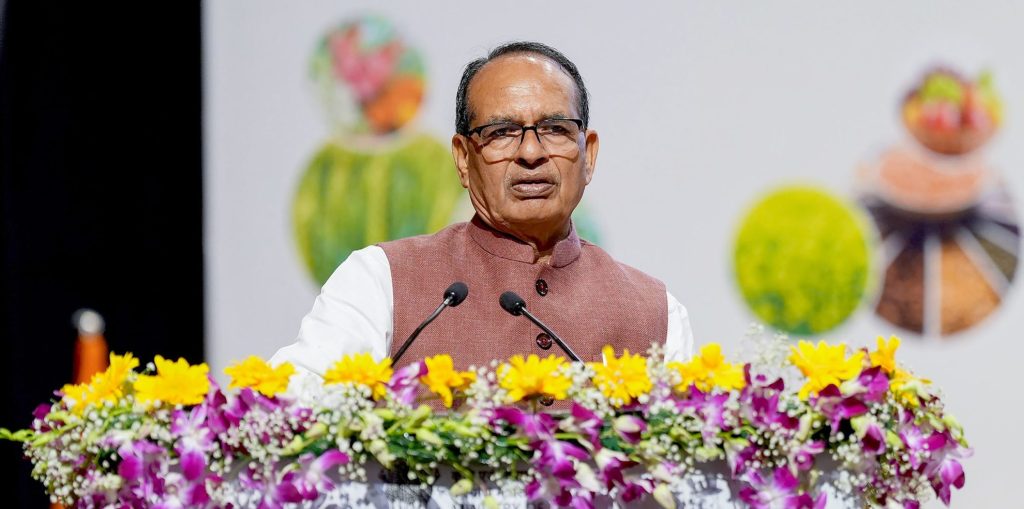
Union Agriculture and Farmers Welfare Minister Shivraj Singh Chouhan is scheduled to dedicate the vaccine to the nation on November 20, 2026. This development is anticipated to significantly bolster poultry health and enhance the resilience of farming operations, contributing to national self-reliance in veterinary biological products, known as Atmanirbharta.
The HPAI, commonly termed bird flu, poses a severe threat to poultry, with outbreaks potentially leading to nearly total mortality among infected birds. Such events can inflict substantial financial damage on farmers, compelling large-scale culling of birds and resulting in trade restrictions. The repercussions extend beyond poultry farms, potentially disrupting international trade and inflating the prices of poultry goods.
Estimations suggest that a serious outbreak could diminish India's GDP growth by as much as 1.5%, with over 20% of its poultry population vulnerable if the illness spreads unchecked. The 2006 bird flu incident incurred direct and indirect losses approximating Rs 2,200 crore to Rs 3,000 crore, highlighting the economic peril associated with such outbreaks.
Additionally, H5N1 bird flu is a public health concern. According to the World Health Organization (WHO), there have been 1,003 reported human cases globally since 2003, resulting in 479 fatalities across 25 countries, including India. In recent years, the lethal strain has also been identified in various animal species, including mammals.
The newly developed vaccine is expected to fill the void left by the absence of a commercially available vaccine targeting the H5N1 Clade 2.3.2.1a strain, offering essential protection for chickens in India. Effective control of the virus’s spread is crucial to safeguard the poultry industry and mitigate risks to human health and safety.

Counter-Terrorism Efforts Reduce Recruitment in Jammu and Kashmir

Islam Set to Surpass Christianity as Largest Religion by 2035

US Secretary of State Marco Rubio Applauds Recent Quad Meeting

IndiGo Suspends Flights to Saudi Arabia Amid Security Concerns