India Launches First LNG-Diesel Dual-Fuel Train in Gujarat


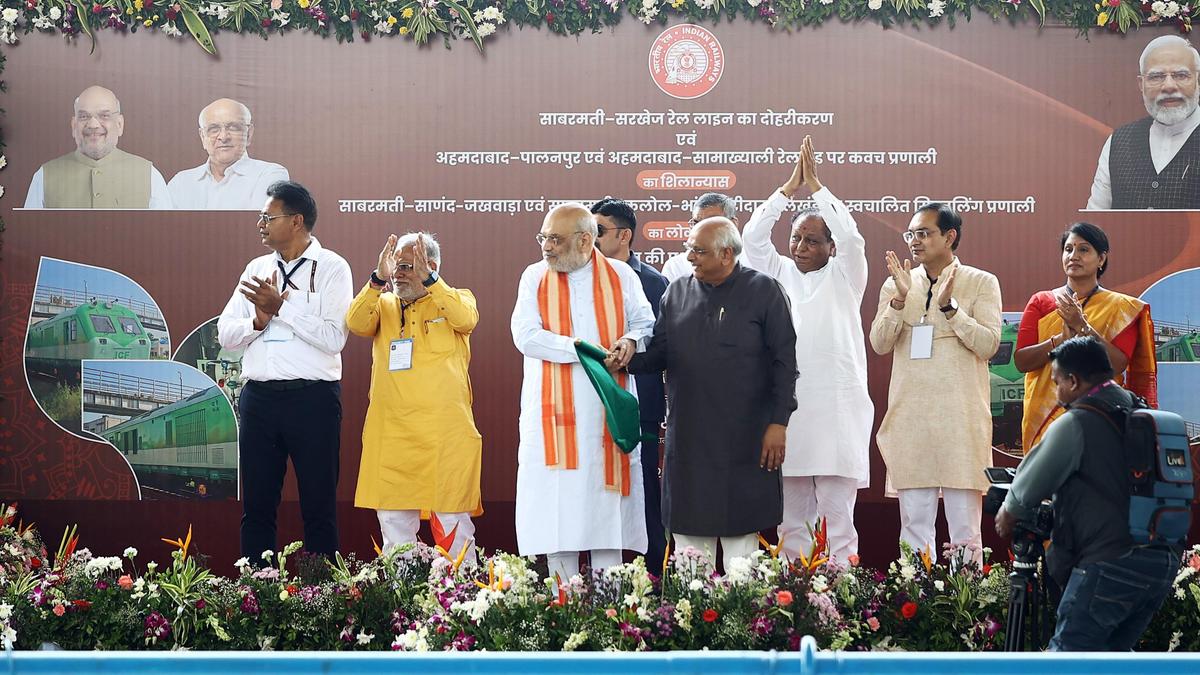
Indian Railways has officially launched its first liquefied natural gas (LNG)-diesel dual-fuel train in Sabarmati, Gujarat, on September 27, 2026. The train is part of India’s effort to diversify its energy sources and reduce reliance on traditional diesel engines.
The new dual-fuel train, classified as a Diesel Electric Multiple Unit (DEMU), is capable of operating on both LNG and diesel fuel. This flexible system allows the engine to switch between fuels based on operational needs and fuel availability. Unlike previous models that exclusively used one type of fuel, this dual-fuel capability aims to enhance efficiency while lowering emissions.
The first train commenced its service between Sabarmati and Mahesana Junction and consists of eight coaches featuring non-air-conditioned chair car seating. Two Driving Power Cars have been modified to accommodate the LNG system, and each has a tank with a capacity of approximately 2,200 litres, holding around 950-1,000 kg of usable LNG.
According to estimates from the Ministry of Railways, the introduction of this LNG system could reduce diesel consumption by about 40%. This initiative is expected to lead to significant savings in fuel costs, projected at around ₹11.9 lakh (approximately £12,200) annually for a single Driving Power Car. For an entire eight-coach train, the total yearly savings could reach around ₹23.9 lakh (approximately £24,000).
Trials for the modified Driving Power Cars have successfully demonstrated over 2,000 km of reliable performance, paving the way for regular operations. The LNG-powered train represents a shift in Indian Railways' commitment to incorporating cleaner energy solutions into its operations.
Before the LNG train, Indian Railways launched its first hydrogen-powered train on July 17, 2026, between Jind and Sonipat. This hydrogen train employs a fuel-cell system, producing electricity using hydrogen and oxygen, with water vapour as its only by-product.
While both trains aim to integrate alternative fuels into rail transport, the LNG train employs an internal combustion engine in a dual-fuel setup, maintaining the use of diesel alongside LNG. This contrasts with the hydrogen train, which operates entirely on a fuel-cell propulsion system.
The Ministry of Railways has confirmed that further details regarding the regular routes and operations for the LNG train will be announced in the coming weeks. These advancements highlight India's broader strategy to explore sustainable energy sources while enhancing the efficiency of its railway network.

Israeli Prime Minister Netanyahu Makes Unannounced Visit to UAE

Indian Bank Unions Postpone Planned Three-Day Strike
Lovely Professional University Suspends Classes Amid Protests
India's Jaishankar Criticises Pakistan at UN General Assembly