India's Independence Day to Feature Vande Mataram First


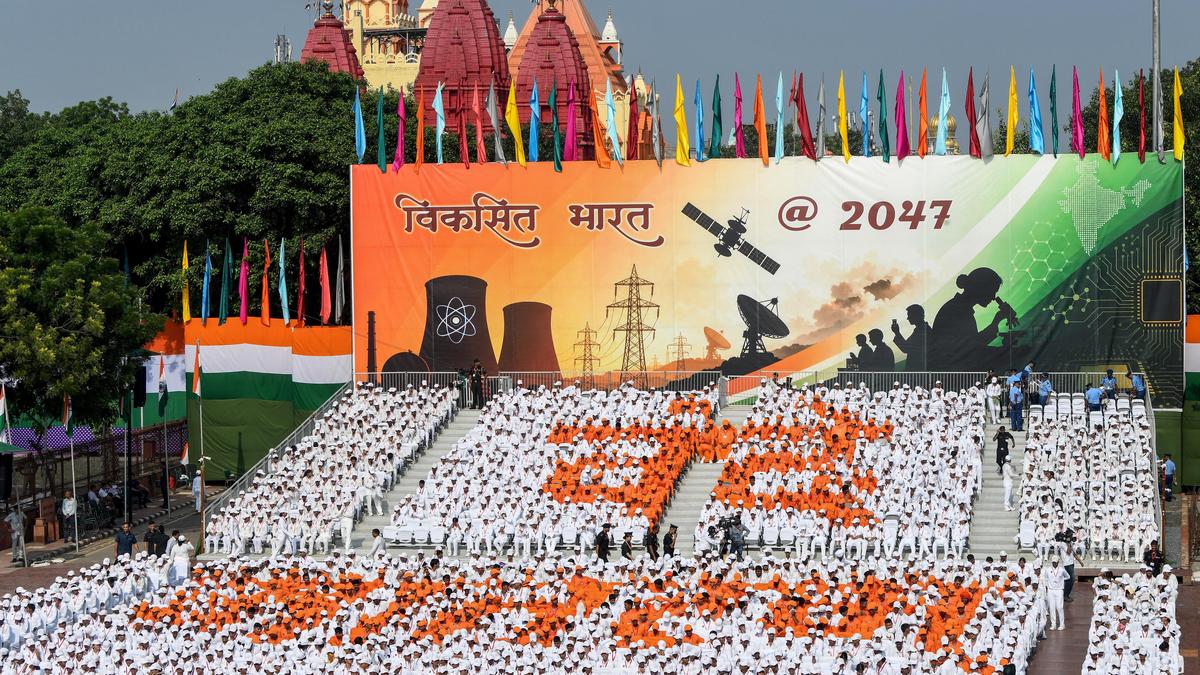
For the first time in 80 years, India's national song, 'Vande Mataram', will be sung before the national anthem, 'Jana Gana Mana', during the Independence Day celebrations at the Red Fort in New Delhi. This change reflects a significant shift in traditional protocol on August 15, as the country commemorates its independence. The decision was announced by the Defence Ministry and is intended to honour the 150th anniversary of 'Vande Mataram', which was penned by Bengali novelist Bankim Chandra Chattopadhyay in 1875.
The Bharatiya Janata Party (BJP) government, led by Prime Minister Narendra Modi, has faced criticism for this move, which some view as an attempt to elevate 'Vande Mataram' to a status equal to that of the national anthem. Critics argue that this shift is part of a broader agenda to promote a Hindu nationalist ideology. As per a report in The Wire, the elevation of 'Vande Mataram' is seen as an effort to diminish the status of 'Jana Gana Mana', which was penned by Nobel laureate Rabindranath Tagore.
The importance of 'Jana Gana Mana' lies in its constitutional status as the highest musical symbol of the republic, celebrating the country's diversity. However, those aligned with the BJP have frequently expressed dissatisfaction with its secular nature and have advocated for greater recognition of 'Vande Mataram', which has religious undertones referencing Hindu deities.
Under the recently amended Prevention of Insults to National Honour Act of 1971, any act of disrespect towards 'Vande Mataram' could result in a prison sentence of up to three years, similar to protections previously reserved for the national anthem. This legislation has sparked opposition from various Muslim organisations, which state that these changes conflict with the tenets of their faith. During a brief parliamentary debate, opposition members condemned the BJP for promoting a 'Hindutva agenda' disguised as nationalism, arguing that it infringes upon federalism.
K Kanimozhi, a member of the Dravida Munnetra Kazhagam party, publicly denounced the move, asserting that nationalism cannot be legislated. The BJP has countered these criticisms, suggesting that the opposition is engaging in 'appeasement politics' and neglecting the honour due to 'Vande Mataram'. Prime Minister Modi has also accused the Congress party of not adequately recognising the national song in the past.
This development falls within the larger context of the BJP’s efforts since 2014 to reshape Independence Day celebrations to reflect a pro-Hindu narrative. In opposition-ruled states such as Tamil Nadu and Kerala, officials have announced plans to stick to previous protocols, meaning only the first two stanzas of 'Vande Mataram' will be sung, as opposed to the full six, which includes religious references.
In Tamil Nadu, Chief Minister C Joseph Vijay has decreed that the state's official song, 'Tamil Thaai Vazhthu', will take precedence at government events. The ongoing debate reflects the tensions surrounding national identity and religious representation in India. As the country prepares for its Independence Day, these discussions highlight the complexities of patriotism and nationalism in contemporary Indian society.
BJP Allies Urge Election Commission to Address Public Concerns
Thousands of Ganesh Idols Immersed in Telangana Festivities
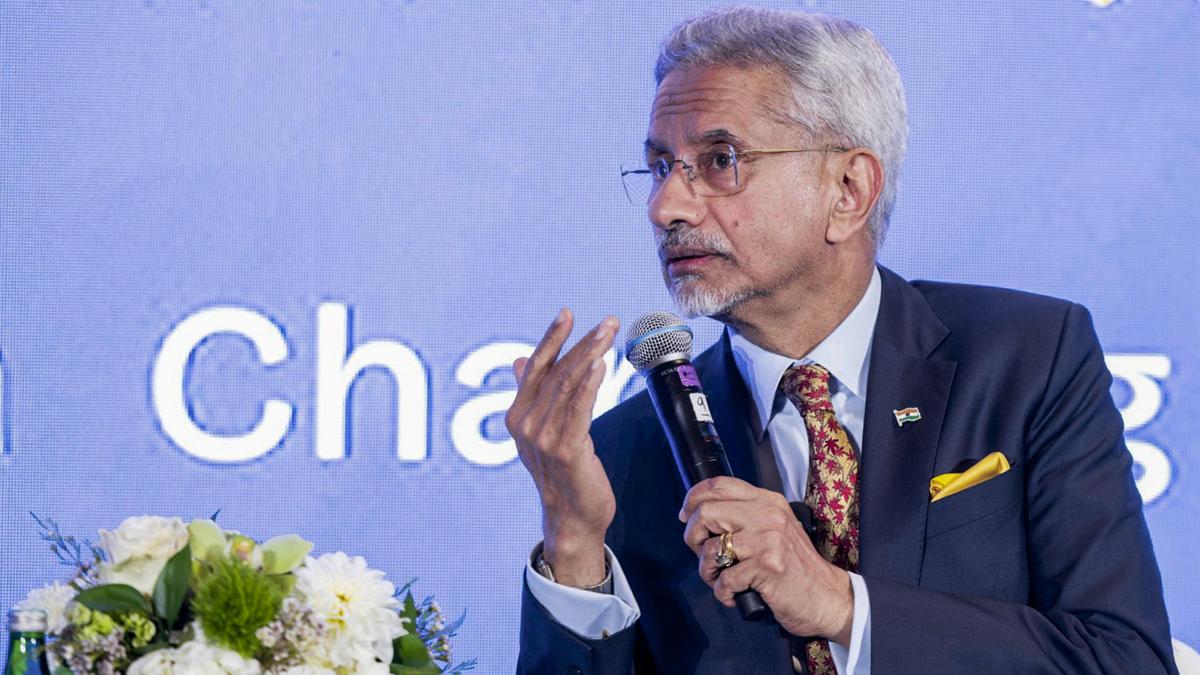
Jaishankar Calls Attacks on Civilian Shipping ‘Indefensible’
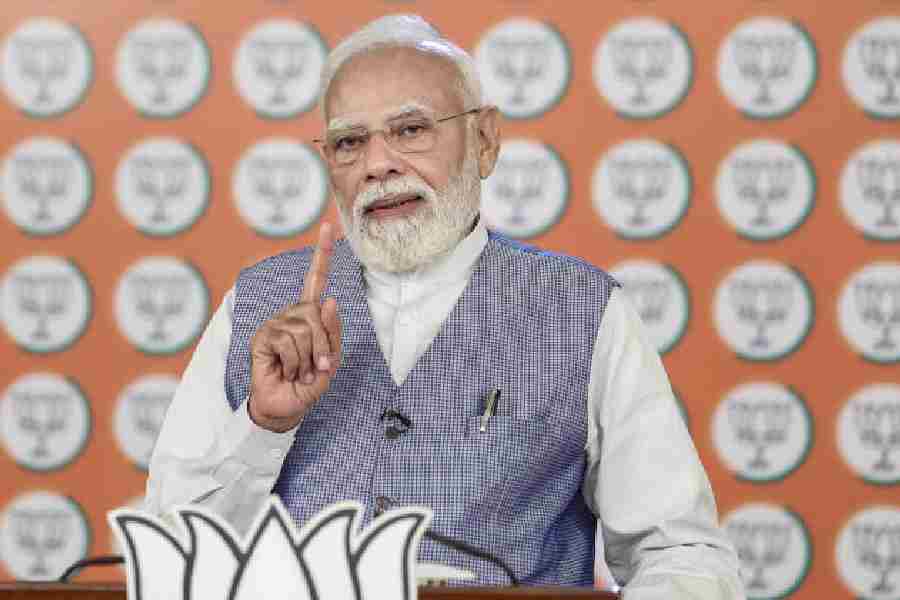
Indian Prime Minister Urges Integration of Social Reforms in Governance