India Imposes New Sugar Stock Limit Amid Price Surge


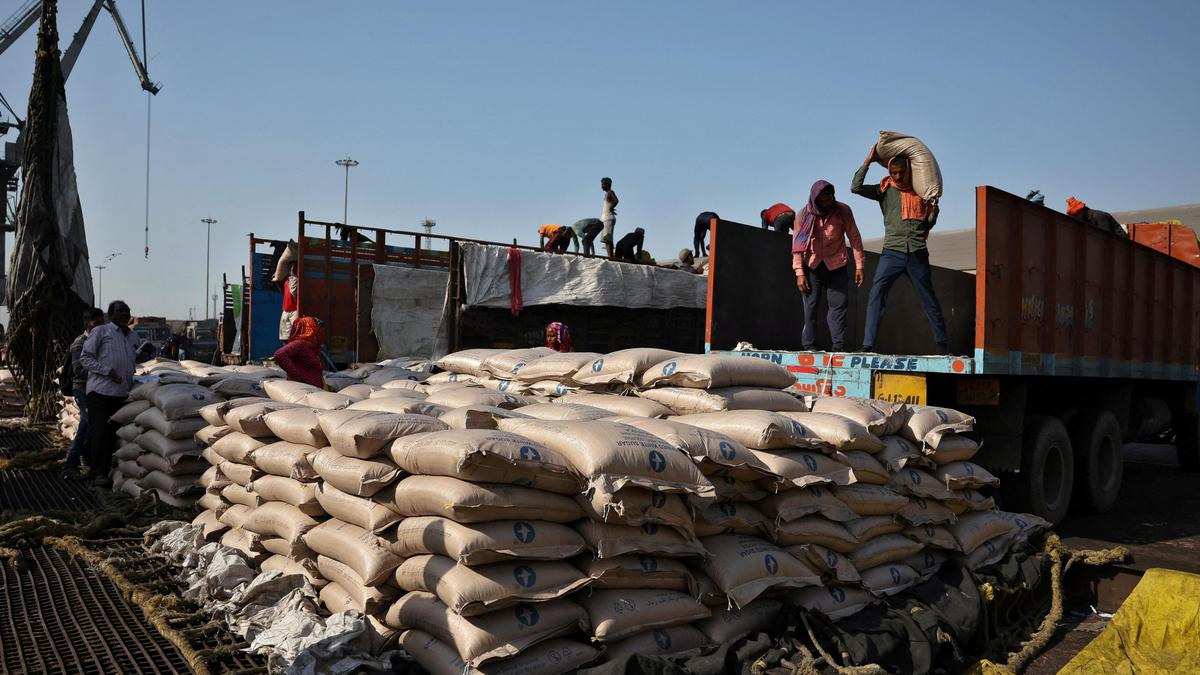
India has implemented a new regulation to control sugar prices, mandating that dealers handling more than 10 metric tonnes of sugar monthly must hold their inventories for a maximum of 15 days. This order will take effect from 1 September and will remain in place until 30 November. The move aims to address unprecedented price hikes in the sugar market, which have surged ahead of a busy festival season.
The government's decision follows a report from Reuters indicating that India is considering measures to enhance sugar supplies and curb escalating prices. With the festival season, which spans from August to November, approaching, demand for sugar typically increases significantly. This period sees heightened consumption of sweets, particularly during major festivities such as Ganesh Chaturthi, Dussehra, and Diwali.
Last month, the Indian government had directed dealers to manage their stocks within a 30-day limit. However, a continuing rise in sugar prices—recording a nearly 10% increase over the past month—has prompted this latest restriction. Analysts predict that prices will remain high for at least the next three months, due to tight supply conditions and rising festival demand.
One contributing factor to the current crisis is adverse weather, affecting sugarcane crops. The irrigation needs of sugarcane are substantial, and problems such as patchy rainfall and dry conditions have adversely impacted crop yields. High sugar prices are politically sensitive in India, where they directly affect many households, especially lower-income families that depend on affordable sugar as a primary source of calories.
India holds the status of the world's largest sugar consumer and the second-largest exporter, following Brazil. Despite a favorable sugarcane inventory, the diversion of sugarcane towards ethanol production under the E20 initiative has exacerbated the crisis. As the country pushes towards its ethanol targets, the balance between food security and fuel production has become increasingly complex.
Prices in key markets continue to climb. For instance, wholesale sugar prices in Kolhapur, Maharashtra have reached record levels of Rs 5,350 per 100 kg, while the all-India average retail price was approximately Rs 52.3 per kg as reported by the Consumer Affairs Department.
The Indian government is now contemplating further actions, including the potential for duty-free imports to alleviate domestic shortages. This would mark a significant policy shift considering that India has not imported sugar for almost a decade. Agriculture experts suggest that understanding the diversion of sugarcane to ethanol production is crucial to finding solutions that do not exacerbate food inflation. The situation remains fluid as the government continues to navigate the trade-offs between food security and energy policy needs.
Kerala Initiates Probe into 2006 Suicide Case Involving CEC

Extradition of Sheikh Hasina Feasible, Says Indian High Commissioner

Punjabi Makeup Artist Mad Sandhu Shot Dead in Amritsar

India Achieves Fourth Place at Asian Games 2026 Through Late Success