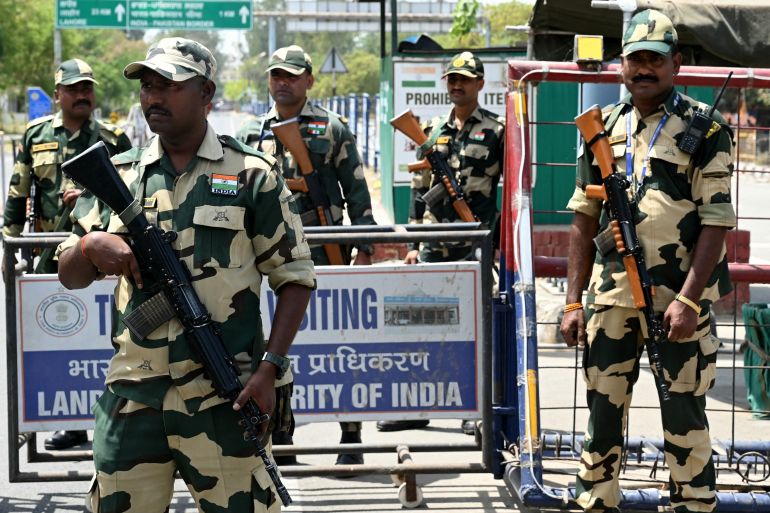
India Hosts Myanmar's Junta Leader: A Strategic Diplomatic Move


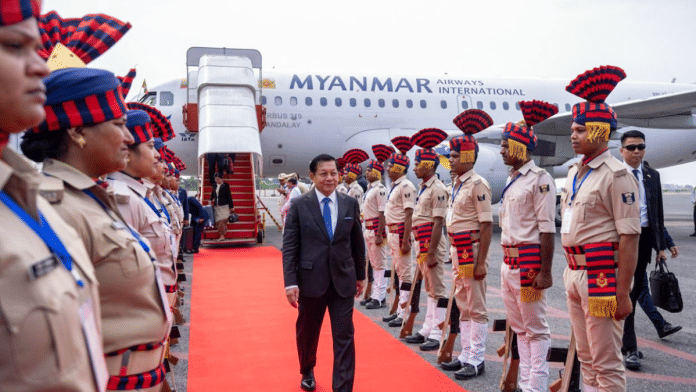
New Delhi: The recent visit of Min Aung Hlaing, the junta chief turned president of Myanmar, to India marks a significant moment in diplomatic relations between the two nations. His arrival on Saturday for his inaugural official foreign visit highlights India's long-standing approach of prioritising strategic geography over political systems.
Min Aung Hlaing's government, formed after a controversial coup in 2021, has faced condemnation from several Western nations due to the military's conduct during its rule. Critics argue that the April elections in Myanmar were not legitimate, further complicating the international stance toward the junta leader. Nonetheless, India, recognised as the world's largest democracy, has chosen to be at the forefront of hosting him in his new role.
Experts suggest that this five-day visit, which includes discussions with Indian Prime Minister Narendra Modi and a pilgrimage to Bodh Gaya, signals New Delhi’s readiness to engage with the governing powers in Naypyidaw, irrespective of global opinion. Rajiv Bhatia, a former Indian ambassador to Myanmar, expressed that receiving Min Aung Hlaing is a diplomatic victory for his government, stating, "Being received by the largest democracy in the world and by a popular, charismatic leader will be well received both in Myanmar and across the region."
Bhatia pointed out the mutual benefits of Indo-Myanmar relations, reflecting India's motivation to foster stability in the region. India has had a cautious relationship with Myanmar's military leadership, having previously engaged with Min Aung Hlaing multiple times during international summits.
Jaideep Mazumdar, a former official in India’s Ministry of External Affairs, noted the diplomatic significance of the visit. He termed it a "bold diplomatic step" that would draw international attention and potentially encourage other countries to re-establish ties with the Myanmar government.
The relationship between India and Myanmar is historically rooted, with New Delhi seeking stability along its northeastern borders, promoting regional connectivity, and countering China's increasing influence in Myanmar. The importance of Myanmar has escalated since the military took power, leading India to reassess its diplomatic strategies, particularly under the Act East policy.
Bhatia outlined three primary reasons for India’s engagement with Myanmar: addressing instability that affects India's northeastern region, enhancing connectivity ambitions in Southeast Asia, and countering growing Chinese influence in the country. He pointed out that instability in Myanmar hinders India's efforts to promote stability in its northeastern region, which is particularly vulnerable to conflict.
The significance of Myanmar extends beyond immediate geopolitical concerns. The country plays a crucial role in India's strategic ambitions in the Bay of Bengal and the Indo-Pacific region. Shrabana Barua from O.P. Jindal Global University remarked that Myanmar's regional dynamics are now crucial in the context of India's broader maritime objectives.
Over the decades, India has maintained a pragmatic approach toward Myanmar, opting for engagement irrespective of political ideologies. Following the military coup in 1962, India was the first country to recognise the junta, a move initially motivated by concerns over Chinese expansionism and insurgencies near the Indian border.
In light of recent international developments, India's stance toward Myanmar appears to reflect a calculated strategy aimed at fostering regional stability and securing its geopolitical interests. Future interactions with Myanmar's government and ethnic armed groups controlling border access are anticipated as crucial for the success of India’s multi-modal transport networks and infrastructural initiatives in the region.
As the dialogue between India and Myanmar progresses, the implications of this visit could resonate beyond bilateral relations, shaping international policy and response to the junta's governance in Myanmar. This evolving landscape will require India to navigate complex diplomatic waters in pursuit of its strategic goals.
Kerala Initiates Probe into 2006 Suicide Case Involving CEC
Extradition of Sheikh Hasina Feasible, Says Indian High Commissioner

Punjabi Makeup Artist Mad Sandhu Shot Dead in Amritsar
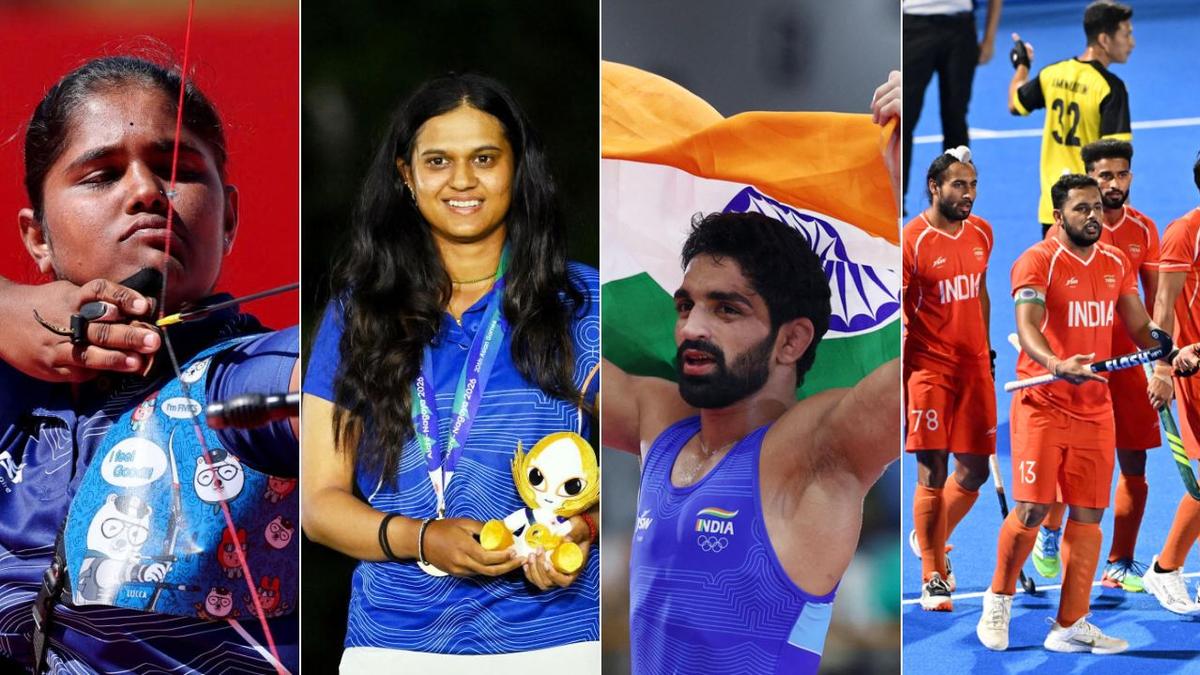
India Achieves Fourth Place at Asian Games 2026 Through Late Success