India's Government Revises Position on Foreign Contribution Bill


The Government of India has recently softened its approach regarding the Foreign Contribution Regulation Act (FCRA) after receiving requests from various minority organisations. This shift has raised significant interest among civil society groups and political analysts who have been monitoring the implications of such legislative changes.
Previously, the FCRA had stringent provisions that were widely perceived as restrictive for non-governmental organisations (NGOs), particularly those representing minority communities. These initial regulations sought to limit the inflow of foreign funds to organisations that may be deemed contrary to the national interest.
Following conversations and appeals from minority groups, officials from the Ministry of Home Affairs have indicated a willingness to consider amendments to the bill. This change signals a potential re-evaluation of how foreign contributions may be utilised by these groups.
A spokesperson for one of the minority organisations stated, "The government's reconsideration of the FCRA is a welcome move and reflects their acknowledgment of the vital role that minority groups play in India’s civil society. We hope for a collaborative approach moving forward."
This development is particularly significant in light of ongoing debates surrounding civil liberties in the country. Analysts suggest that the revised position could lead to greater inclusivity and support for NGOs operating in various sectors, including education, health, and social justice.
Further discussions are anticipated in Parliament as stakeholders reflect on how these changes will affect the operational landscape for NGOs across India. Supporters believe that a more flexible regulatory framework could improve the delivery of essential services to underserved communities, whilst critics remain wary of the potential for increased governmental oversight.
The government has yet to provide a detailed timeline for any amendments or consultations, but the dialogue marks a notable shift in policy direction in response to advocacy efforts from minority communities, signalling a possible commitment to enhancing the operational freedom of these organisations within India’s legal framework.
BJP Allies Urge Election Commission to Address Public Concerns

Thousands of Ganesh Idols Immersed in Telangana Festivities
Jaishankar Calls Attacks on Civilian Shipping ‘Indefensible’
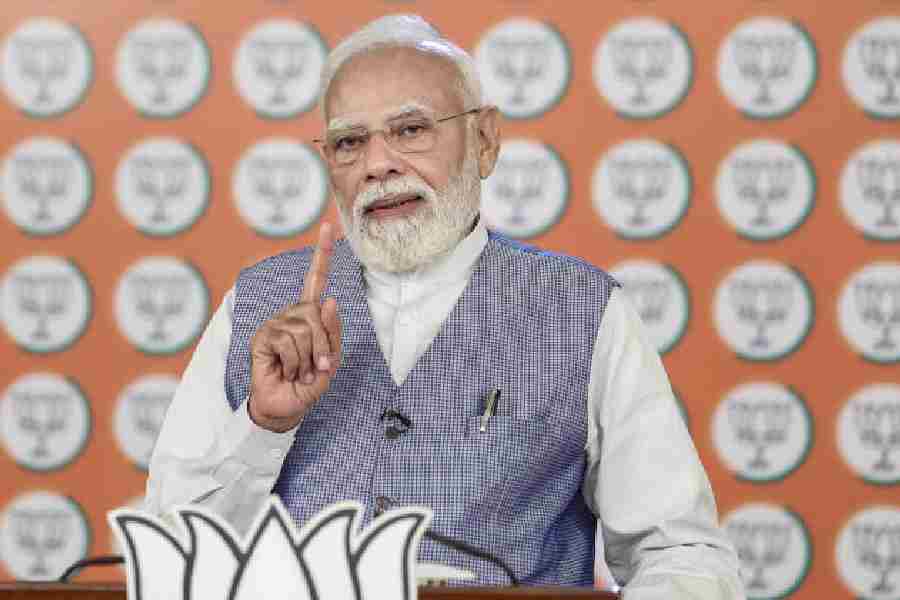
Indian Prime Minister Urges Integration of Social Reforms in Governance