India Faces Rainfall Deficit Impacting 397 Districts and Kharif Crop


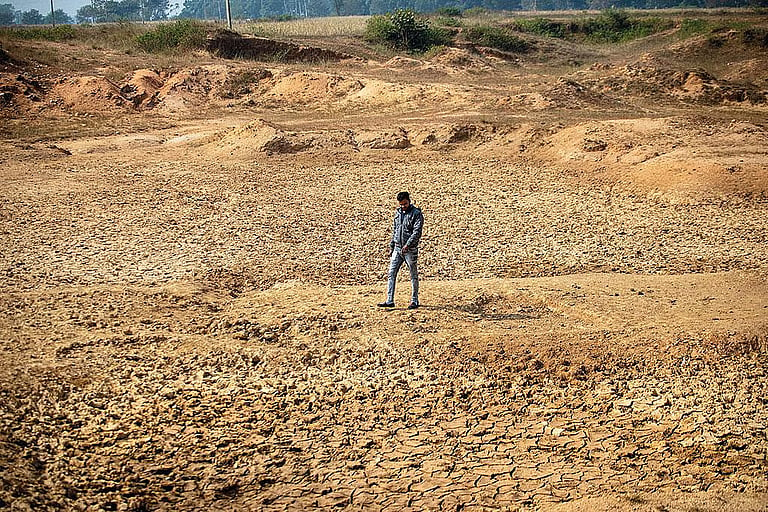
Significant rainfall deficiencies have been reported across 397 of India's 741 districts during this monsoon season, prompting worries over agricultural production, particularly in paddy-growing regions along the Ganga river. States such as Uttar Pradesh, Bihar, and Jharkhand are experiencing severe shortages of rainfall, which has adversely affected rice transplanting and the broader kharif sowing operations. By July 10, 2026, the total area sown for kharif crops was recorded at 531.25 lakh hectares, representing a decline of approximately 16% compared to the same period last year. Key crops including oilseeds, coarse grains, pulses, cotton, and rice have all seen lower sowing figures this year, underscoring the detrimental impact of an inconsistent monsoon season. According to the India Meteorological Department (IMD), data collected by July 13, 2026, indicates that 326 districts are experiencing deficient rainfall, with an additional 71 classified as suffering from large deficiencies. In contrast, only 219 districts received normal rainfall, with 97 districts noting above-normal rainfall and 24 enjoying excess rainfall. The rainfall shortfall is particularly pronounced in the Gangetic plains, covering extensive sections of Uttar Pradesh, Bihar, and Jharkhand, where timely monsoon rain is crucial for paddy cultivation. A strong second half of July is essential for these areas to support rice production, groundwater levels, and overall kharif crop yield. The Union Ministry of Agriculture and Farmers Welfare reported that approximately 11.47 million hectares of paddy had been planted as of July 10, 2026, which is 1.08 million hectares less than last year’s figure of 12.55 million hectares. However, the area sown for paddy remains above this season’s normal planting area of 9.77 million hectares. The critical periods of early to mid-July are vital for paddy transplanting, and any continued rainfall deficits may exacerbate irrigation needs and diminish planting efforts in rainfed regions. This year's overall kharif sowing is lagging compared to last year, with 53.12 million hectares sown by July 10—10.14 million hectares fewer than the 63.27 million hectares reported during the same timeframe in 2025. The Gangetic plains, particularly Uttar Pradesh, are experiencing the most severe impacts. Out of the 75 districts in Uttar Pradesh, 31 are currently in the deficient rainfall category, with an additional nine facing large deficits. Districts along the Ganga, including Prayagraj, have recorded dramatic rainfall shortfalls, with Prayagraj noting 50% less than normal and districts like Bhadohi suffering an 88% deficit. In Bihar, the situation is more dire, with 29 of the 38 districts in the deficient category and seven facing large deficiencies, including Buxar and Patna, which have seen deficits of 52% and 57% respectively. Jharkhand, particularly its northern and western regions, is also burdened by a severe rainfall deficit. Sahibganj has witnessed an alarming 99% shortfall, while multiple other districts are seeing significant reductions in rainfall. Overall, 18 of Jharkhand’s 24 districts are flagged as experiencing deficient rainfall. The rainfall shortage extends beyond the Gangetic plains; in Telangana, 25 of 33 districts are below normal. Other affected states include Karnataka, Gujarat, Maharashtra, and Assam, each witnessing substantial rainfall deficits. In Punjab, while half the districts are in the deficient category, Haryana fared better with more districts recording normal or favourable rainfall. Analysis of the 2026 monsoon season indicates an uneven distribution of rain, with some areas receiving sufficient rainfall while many are grappling with significant deficits. The IMD identified that areas experiencing between 26% and 50% less than normal rainfall are categorised as undergoing moderate meteorological drought, while those receiving more than 50% less are facing severe drought conditions. Official announcements regarding drought conditions take into account additional factors including crop health and soil moisture, beyond just rainfall levels. The repercussions of a weak monsoon are visible in the sowing statistics across multiple crop categories; the agriculture ministry highlighted that oilseeds saw the most substantial decrease in sowing at a drop of 3.13 million hectares compared to last year. Other critical crops have also noted decreases, including cereals, coarse grains, pulses, and cotton, exacerbating concerns over India’s agricultural stability amidst changing weather patterns.
Kerala Initiates Probe into 2006 Suicide Case Involving CEC

Extradition of Sheikh Hasina Feasible, Says Indian High Commissioner

Punjabi Makeup Artist Mad Sandhu Shot Dead in Amritsar

India Achieves Fourth Place at Asian Games 2026 Through Late Success