Government Response to E20 Fuel Policy Explained


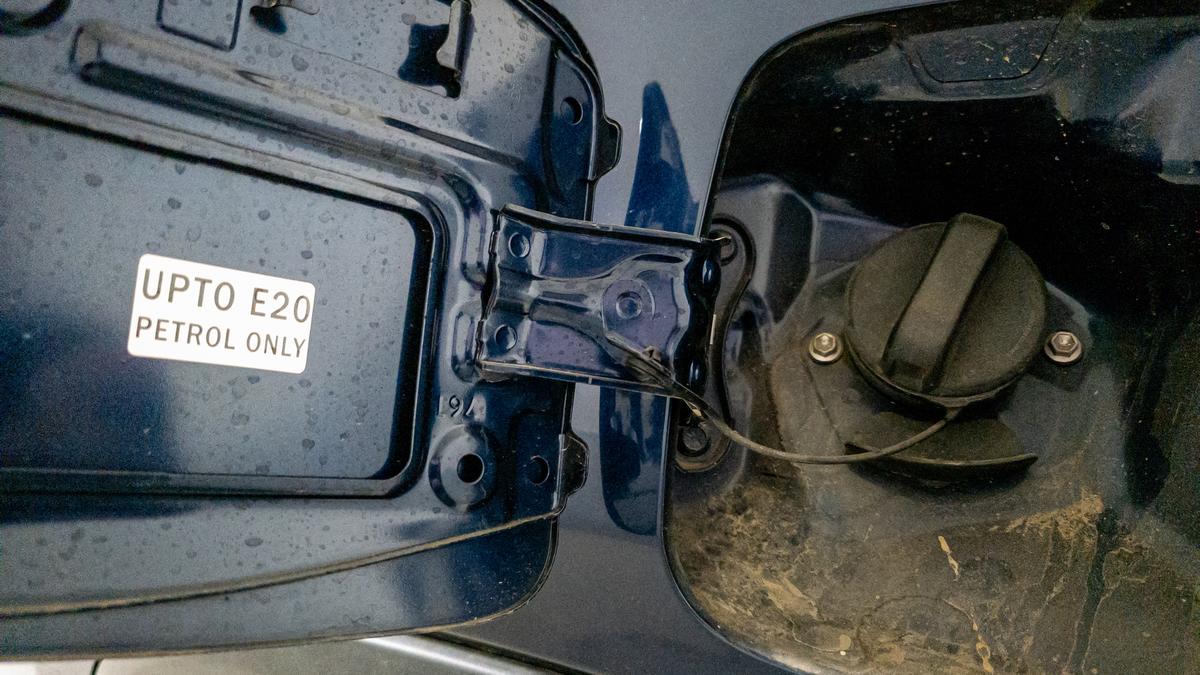
The Government of India has outlined its position on the adoption of E20 fuel, which contains 20% ethanol blended with petrol. This initiative is part of a broader focus on sustainable energy solutions for the country. The fuel is intended to reduce dependency on fossil fuels and lower greenhouse gas emissions.
Ethanol, primarily derived from sugarcane and other biomass sources, is already used in a lower concentration in petrol across India. The shift to E20 is significant as it represents a higher blending ratio that aims to enhance environmental benefits. However, this transition is accompanied by concerns from various stakeholders, particularly in the automotive sector.
Industry representatives have raised questions regarding the compatibility of E20 fuel with existing vehicles. The government has responded by stating that newer models manufactured after 2023 will be designed to accommodate E20 without issues. Additionally, a public awareness campaign is planned to educate consumers on the benefits and use of the new fuel standard.
Emerging data suggests that this initiative could lead to a considerable reduction in carbon emissions. Officials state that the government is committed to achieving biofuel production targets aligned with the National Policy on Biofuels.
Furthermore, the introduction of E20 is part of India’s strategy to enhance energy security and promote sustainable practices in fuel usage. In light of India's commitment to international climate agreements, the transition to E20 is seen as a crucial step in reducing the environmental footprint of the transportation sector.
While the government defends the policy, it is crucial for ongoing dialogue with industry leaders and the public to address apprehensions regarding the shift to E20. Stakeholder feedback will play a vital role in ensuring the smooth implementation of this initiative, promoting both environmental responsibility and consumer confidence.
Kerala Initiates Probe into 2006 Suicide Case Involving CEC

Extradition of Sheikh Hasina Feasible, Says Indian High Commissioner

Punjabi Makeup Artist Mad Sandhu Shot Dead in Amritsar
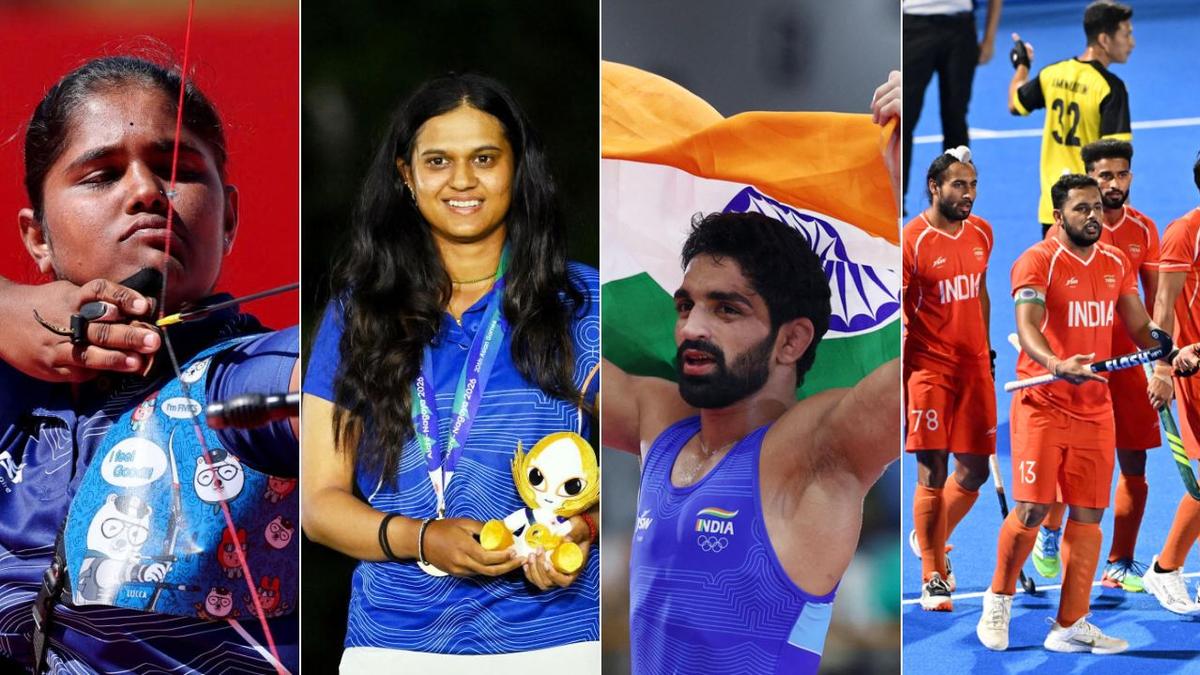
India Achieves Fourth Place at Asian Games 2026 Through Late Success