India Faces LPG and Fuel Supply Concerns Amid West Asia Conflict


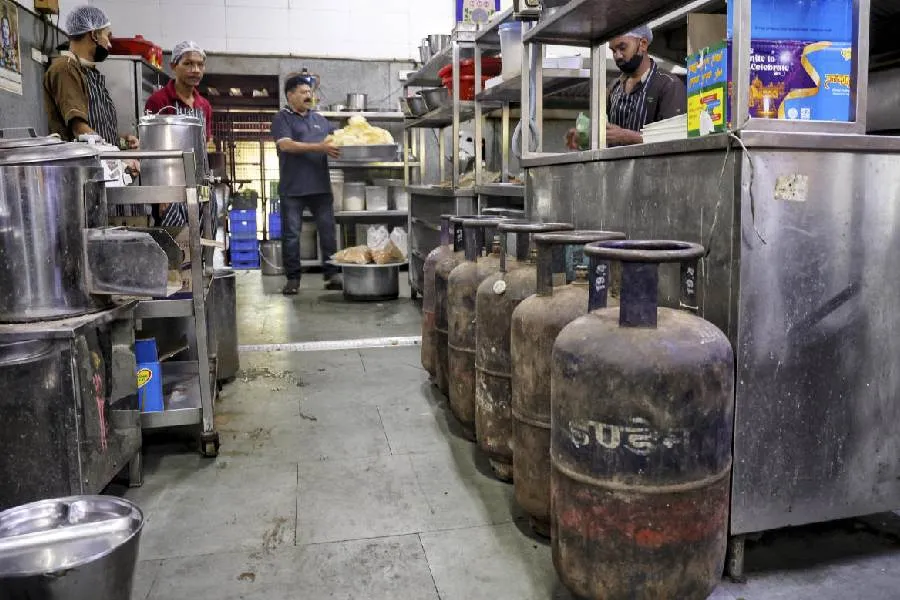
As tensions in West Asia continue to unsettle global energy markets, the Indian government is assuring citizens that there is no shortage of fuel supplies. On March 25, 2026, Sujata Sharma, Joint Secretary of the Ministry of Petroleum and Natural Gas, confirmed that petrol and diesel prices remain unchanged, urging the public not to heed widespread rumours.
Sharma stated that 26 states have received a total of 22,000 tonnes of commercial liquefied petroleum gas (LPG), and over 250,000 new piped natural gas (PNG) connections have been granted within the last 25 days.
The government's efforts are part of a strategy to expand the gas network while aiming to reduce dependency on a single fuel source. An official directive also indicates that LPG supply to households may be curtailed if consumers do not transition to piped natural gas where available.
In related developments, Indian Prime Minister Narendra Modi expressed confidence that India would navigate the current energy crisis caused by the conflict in West Asia.
The situation has resulted in stock fluctuations, with reports indicating that oil prices fell as the United States proposed a ceasefire in the region, potentially facilitating the resumption of oil exports from the Persian Gulf. Fuel prices saw a momentary dip amid these discussions.
In the consumer sector, the Central Consumer Protection Authority (CCPA) has warned restaurants against applying unjustified LPG charges, reiterating that such practices violate consumer protection guidelines.
Union Minister for Petroleum and Natural Gas, Dharmendra Pradhan, has urged timely action on the Strategic Petroleum Reserve project intended to enhance India's energy security. The proposed facility in Jajpur district is planned to have a capacity of 4 million metric tonnes. The project aims to counter supply disruptions caused by geopolitical conflicts affecting crude oil importation.
Officials primarily from the Indian Oil Corporation have called for responsible public behaviour amid an environment of uncertainty. Arvinder Singh Sahney, Chairman of the Indian Oil Corporation, stated that there is no fuel scarcity and urged consumers to avoid panic buying. "Unverified rumours can lead to unnecessary panic and supply disruptions," he said.
Governments of various states, including Telangana and Goa, have similarly dismissed claims of fuel shortages, encouraging the public not to panic. The Telangana Petroleum Dealers Association reassured residents of adequate supply levels, stating there has been no disruption to fuel distribution networks.
Despite these assurances, public reactions have varied, with some areas witnessing long queues at petrol stations. AAP MLA Aaley Mohammad Iqbal raised concerns in the Delhi Assembly, seeking clarification from the government on actions taken to prevent LPG hoarding and black marketing following reports of distress among consumers over LPG availability.
Monitoring mechanisms are in place to provide continual updates to the public, reinforcing reassurance that fuel supplies remain intact and functional. Officials maintain that essential supply chains are operating normally, with adequate stocks of petrol and diesel present nationally.
The overall sentiment from the government indicates readiness to ensure energy access while managing the impact of international developments.
This situation underscores the importance of reliable communication from authorities to counter misinformation and maintain public confidence in available energy resources.
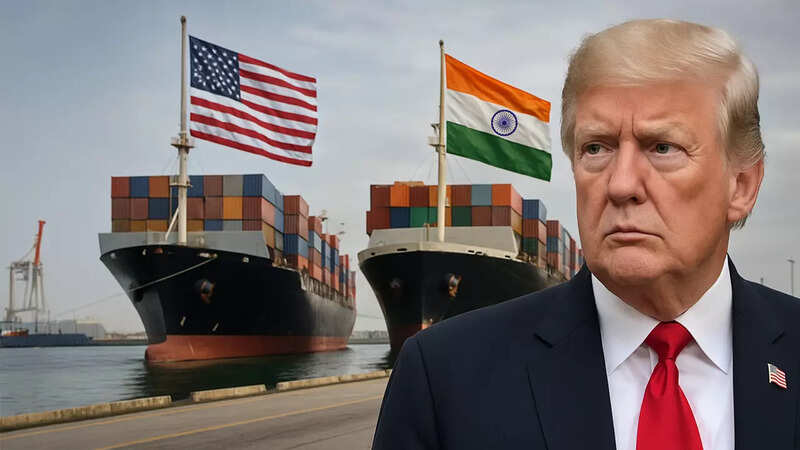
Impact of Trump's Tariff Law on India's Oil Imports and Trade
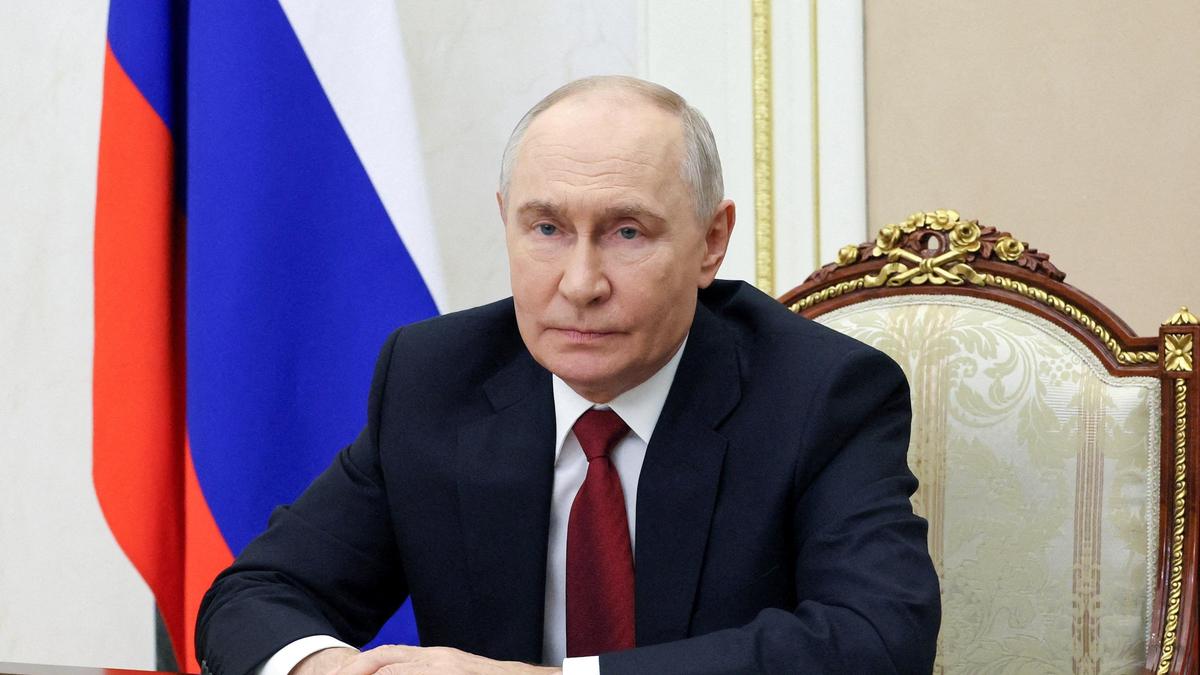
United Russia Party Secures Supermajority Despite Ukraine Conflict
Xi Jinping's US Visit Planned Amid Economic Tensions with Trump
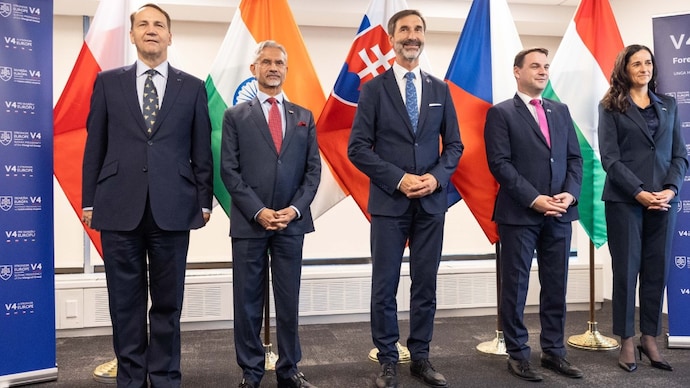
India's External Affairs Minister to Address UNGA Amid US Tariff Changes