India's External Affairs Minister Discusses Shifts in Global Power Dynamics


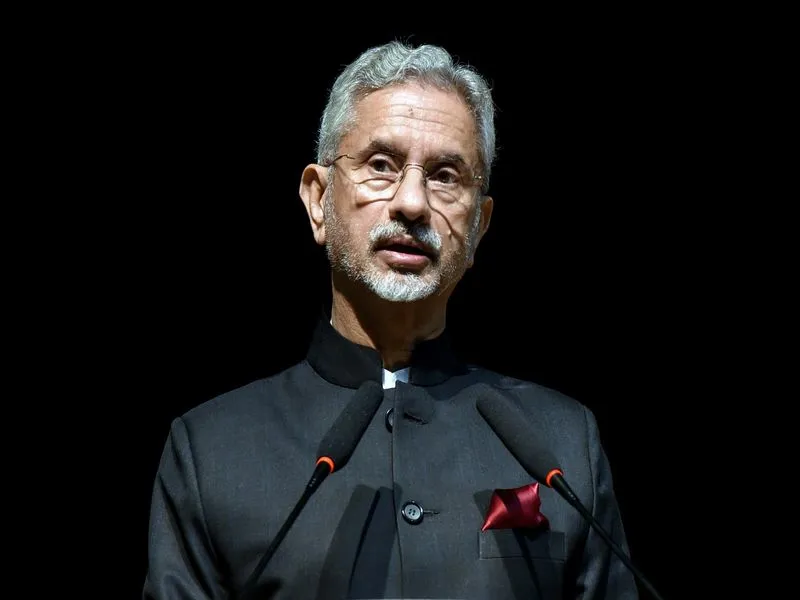
Pune, India: External Affairs Minister Dr S. Jaishankar addressed a gathering on Saturday, highlighting the significant changes in the global power landscape and the emergence of multiple centres of influence. Speaking at the 22nd convocation of Symbiosis International (Deemed University), Jaishankar stated, "No country, however powerful, can impose its will on all issues." He underscored that the current geopolitical climate fosters competition among nations, which in turn creates a new balance of power. Jaishankar elaborated on the multifaceted nature of power, noting that it encompasses trade, energy, military capabilities, resources, technology, and talent. He remarked, "The concept of power is complex, and no single country can claim universal dominance anymore." The minister also emphasised the transformative effects of globalisation on national policies and perspectives. "For a large economy like India, it is imperative to cultivate a robust and modern manufacturing sector to stay aligned with technological advancements," he added. During his address, Jaishankar urged the necessity of strategic clarity in India's foreign policy. He stated that ambiguity must not dictate foreign relations, insisting that a well-defined game plan is essential for navigating the complexities of international engagement. "When you look at foreign policy, you must have clarity; you have to make the choices," he asserted. Reflecting on India's historical and cultural connections, he pointed out the need to articulate India's unique civilisational beliefs and strategic traditions to the global community. Jaishankar expressed frustration with the dominance of Western narratives in academic discourse, stating that many textbooks fail to recognise India's rich tradition of strategy and statecraft. He urged for a re-evaluation of these narratives, emphasising India’s historical stature as a trading nation and its cultural ties across regions, particularly in the Gulf, Southeast Asia, and Central Asia. The minister acknowledged the complexities of India's relationships with major global powers, noting the challenges in engaging with the United States and managing relations with China. He highlighted the political sensitivities involved in India's neighbourhood policy, stressing the importance of maintaining stability in regional relations despite fluctuations. Jaishankar cited recent instances where India demonstrated its commitment to responsible foreign policy, including swift humanitarian assistance to Sri Lanka following Cyclone Ditwah and support to neighbouring countries during the COVID-19 pandemic. He reiterated, "We have to find a way to leverage our strengths and enhance our global presence." Concluding his remarks, Jaishankar called for a collective effort to recognise and amplify India's civilisational footprint abroad, stating, "Wherever you go, in the Gulf, in Southeast Asia, in the Indian Ocean or in Central Asia, look for the impact, the imprint of India. You will be surprised how much the imprint of India is there."
Concerns Rise Over Delhi Voter Registration Discrepancies
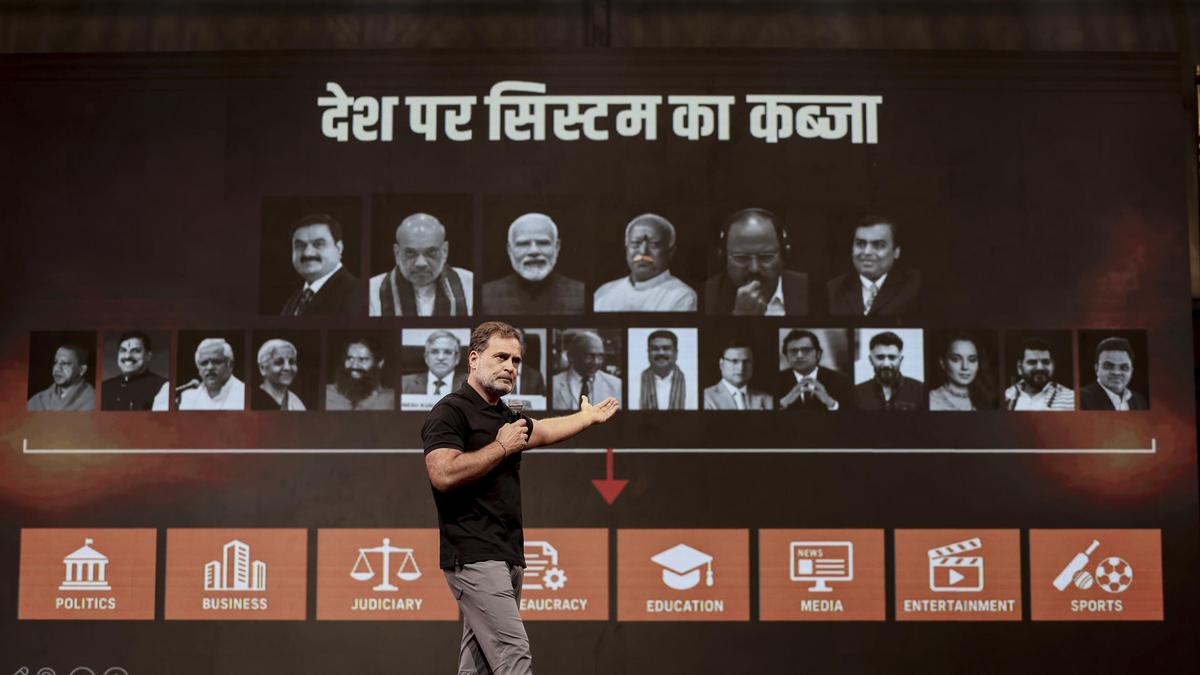
Controversy Erupts Over Rahul Gandhi's PM Modi Mimicry at Event

Father of IIT Bombay Student Calls for Action Against Discrimination

India and Japan Conduct Joint Air Exercise 'Veer Guardian-2026'