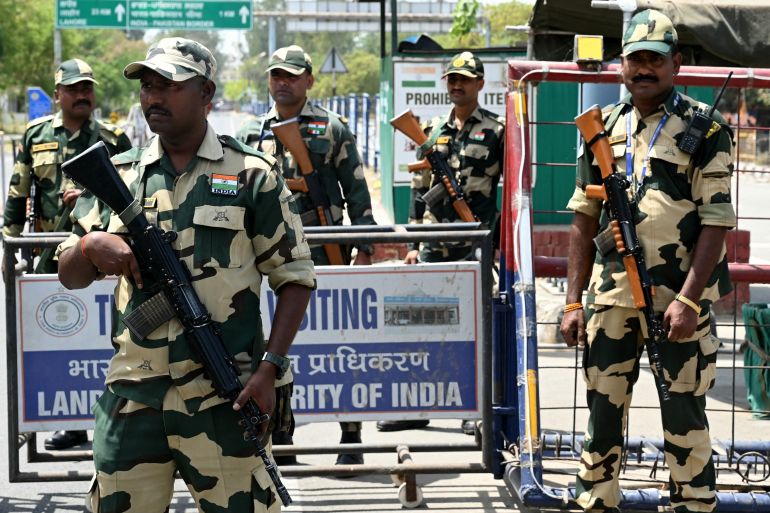
India Expands Missile Production with Private Sector Collaboration


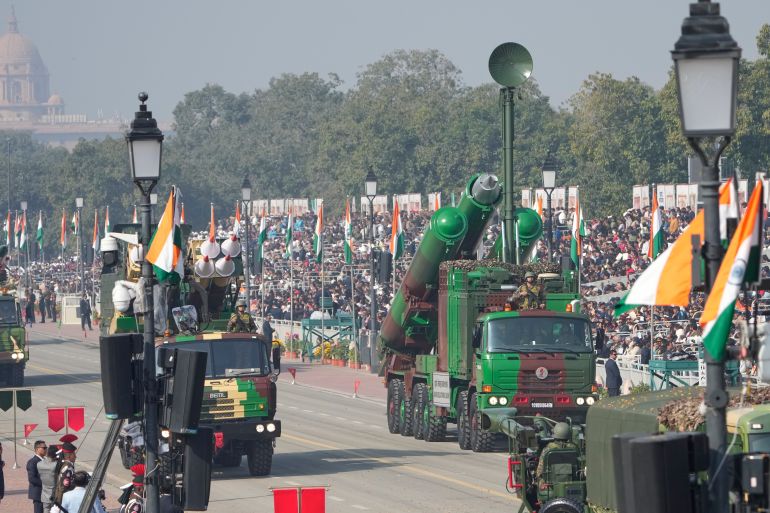
India has made a significant move to modernise its defence production capabilities by partnering with the private sector. Defence Minister Rajnath Singh announced the transfer of missile technology from the state-run Defence Research and Development Organisation (DRDO) to Indian private companies, enabling them to produce conventional missile systems domestically. This policy change marks a pivotal shift in India's defence landscape, traditionally dominated by state-owned enterprises.
The Ministry of Defence stated that private firms will now have the opportunity to compete for technology and production rights, contingent on meeting technical qualifications and regulatory requirements. This initiative is expected to accelerate the transition from missile development to mass production, thereby bolstering domestic manufacturing and reducing reliance on imports.
The Indian government, under Prime Minister Narendra Modi's leadership, aims to enhance the country’s military self-sufficiency, a strategy encapsulated in the concept of 'Atmanirbhar Bharat', which translates to 'self-reliant India'. By inviting private participation, the government hopes to create a robust defence industrial base that includes micro, small and medium enterprises (MSMEs) among other technology partners.
Aditya Ramanathan, a research fellow at the Takshashila Institution in Bengaluru, explained that the newly approved transfer of DRDO technology encompasses various missile types. This includes surface-to-air and air-to-air missiles, anti-radiation missiles, and more advanced systems like land-attack cruise missiles. The change is notable as it ends the long-standing monopoly held by state-owned Bharat Dynamics in missile production.
While Indian firms have historically played roles in producing missile components, this new policy empowers them to act as prime integrators of missile systems. This alteration in policy comes at a time when India is striving to reinforce its defence mechanisms amidst ongoing tensions with neighbouring countries, particularly Pakistan and China.
Under Modi's administration, India's defence budget has more than doubled, rising from $38 billion in 2014 to $86 billion in the current financial year. This year's budget represents a 16 per cent increase compared to the previous year. Ramanathan noted that the experience of recent geopolitical conflicts has influenced this rapid escalation in defence preparedness.
The department's move to include private players in missile manufacturing is viewed as a precursor to future reforms in the strategic missile sector. Currently, the government plans to procure advanced missile systems, including the Long Range Land Attack Cruise Missile, targeting ranges of 1,000 to 1,500 kilometres, and the Pralay quasi-ballistic tactical missile, projected to have ranges between 150 and 500 kilometres.
This policy adjustment aims not only to expand production numbers but also to encourage greater investment in India's military-industrial complex. Notably, major Indian conglomerates such as Adani, Larsen & Toubro, and Tata Advanced Systems are increasingly involved in manufacturing drones and other military technologies.
In recent months, the Indian government has approved substantial expenditures on military equipment, including a $5.46 billion package for various systems, which encompasses missiles and electronic warfare systems. Anticipating future challenges, India is also modernising its naval capabilities to counter the influence of rival powers, particularly China, in key shipping routes within the Indian Ocean.
The opening of missile production to private enterprises is viewed as a crucial step forward, not just for enhancing military readiness but also for fostering a self-sufficient defence industry in India, capable of innovation and efficiency in a rapidly evolving global landscape.
Kerala Initiates Probe into 2006 Suicide Case Involving CEC
Extradition of Sheikh Hasina Feasible, Says Indian High Commissioner

Punjabi Makeup Artist Mad Sandhu Shot Dead in Amritsar
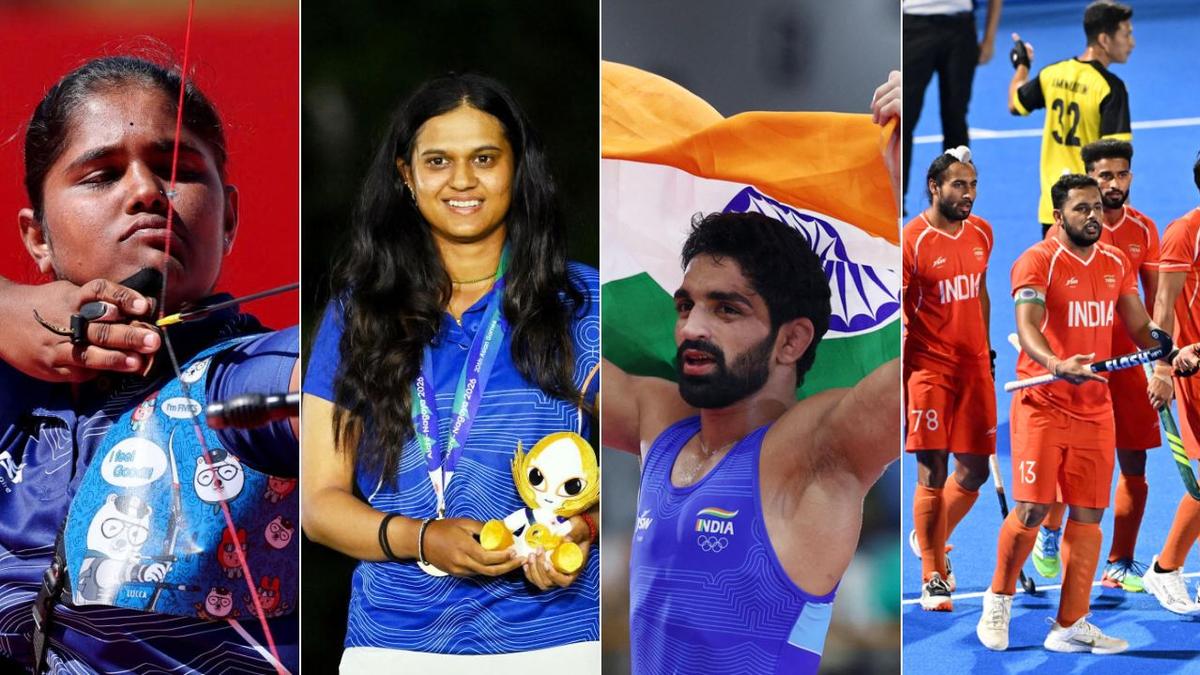
India Achieves Fourth Place at Asian Games 2026 Through Late Success