India's Evolving Foreign Policy: Balancing Global Powers


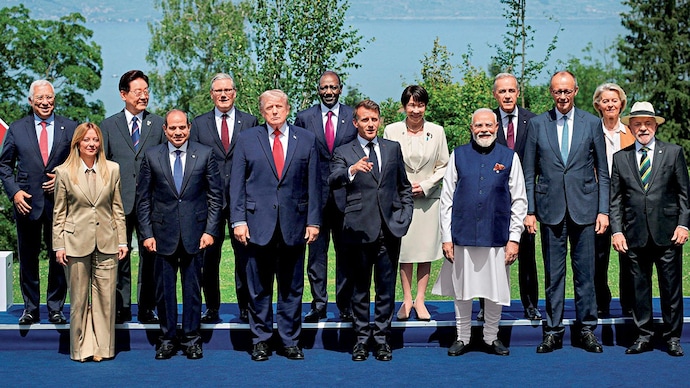
India's foreign policy is in a state of evolution as it navigates the challenges of a fragmented global economic and security environment. With a population of 1.4 billion, India has emerged as the world's fourth largest economy, impacting its diplomatic capabilities significantly. Prime Minister Narendra Modi's recent high-profile meetings with key international figures, including Russian President Vladimir Putin and Chinese President Xi Jinping, highlight the complexities of India's position.
Over the past decade, Modi has developed relationships with both Putin and Xi, while simultaneously strengthening ties with Washington. However, this balancing act has become increasingly complicated, particularly in the context of the America under Donald Trump, characterised by aggressive trade policies and a focus on transactional diplomacy.
Observations indicate that India's relationships, including that with Russia, have stood the test of various geopolitical crises. Modi and Putin have met on at least twenty occasions since Modi took office, with their partnership remaining resilient despite global sanctions on Russia and India's ties with the United States. Conversely, Modi's interaction with Xi has faced challenges, particularly following border tensions in Galwan.
The recent summit in Bishkek and future discussions at the BRICS summit signal ongoing efforts to manage these relationships. However, questions remain about the efficacy of personal diplomacy, as frequent meetings between leaders do not necessarily resolve historical grievances or strategic rivalries. The complexities of India-China relations, deeply rooted in historical disputes, underline the limitations of high-level engagement.
India's national security advisor, Ajit Doval, has been involved in recent dialogue with his Chinese counterparts, aiming for a stable framework that ensures peace along the Line of Actual Control. The potential for economic collaboration is overshadowed by the strategic distrust that lingers between the two nations, necessitating a cautious approach from India where economic interests are blended with geopolitics.
As India grapples with its dependencies—and essential interdependencies—its strategic autonomy is increasingly becoming a focal point. While the country seeks to strengthen ties with Western powers for technology and investments, it simultaneously maintains essential links with Russia for defence and energy needs. Simultaneously, managing the complex relationship with China remains imperative, given the economic reality that China is India's largest trading partner, despite an unsettling trade deficit.
The current stance of the Modi administration seeks not merely to align with major powers, but to operate with autonomy and confidence, ensuring that national interests are not compromised. Modi's international engagements are therefore increasingly seen as a significant test of India’s diplomatic evolution, pushing towards a future where India asserts its influence without succumbing to reliance on any single power. While the Modi government has received some positive feedback concerning its foreign policy, it also faces criticism and scepticism from various quarters. A recent survey indicated that a notable segment of the population views India's international dealings with caution, advocating for a balanced approach that avoids overreliance on any specific ally. As India continues to navigate this multifaceted landscape, the outcomes of Modi’s diplomatic efforts may well define the country’s trajectory on the global stage.
In summary, the future of India's foreign policy will depend significantly on its ability to engage with multiple global powers without compromising its strategic autonomy, making Modi's approach a matter of both national and international importance.
Kerala Initiates Probe into 2006 Suicide Case Involving CEC
Extradition of Sheikh Hasina Feasible, Says Indian High Commissioner

Punjabi Makeup Artist Mad Sandhu Shot Dead in Amritsar
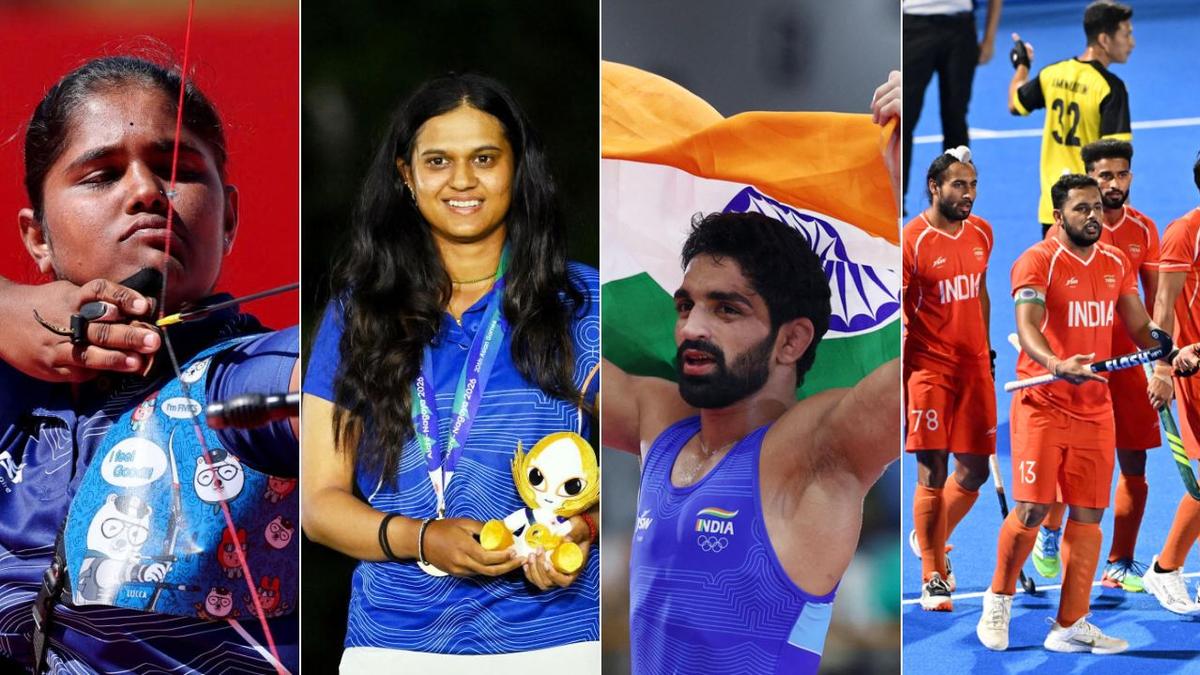
India Achieves Fourth Place at Asian Games 2026 Through Late Success