India's EV Market Growth Accelerates Amid Policy Support



The electric vehicle (EV) market in India is experiencing significant growth, spurred by supportive government policies and a rising consumer demand for sustainable transport options. As the country aims to reduce its carbon emissions and reliance on fossil fuels, the transition to electric mobility is becoming a key focus area for both policymakers and industry stakeholders.
The Indian government has introduced various incentives to promote the adoption of EVs. These include financial subsidies for consumers, tax exemptions for manufacturers, and investments in charging infrastructure. The Faster Adoption and Manufacturing of Hybrid and Electric Vehicles (FAME) scheme, launched in 2015, has played a pivotal role in boosting the market by providing monetary benefits to buyers of electric two-wheelers, three-wheelers, and cars.
In recent years, the Indian automobile industry has witnessed an increase in the number of manufacturers entering the EV space. Major companies, including Tata Motors, Mahindra & Mahindra, and international players like Hyundai and Kia, are expanding their electric vehicle offerings. Tata Motors, for instance, reported a significant surge in sales of its electric models, indicating a growing consumer preference for EVs.
The demand for electric vehicles is also being driven by an increasing awareness of environmental issues. Many consumers are seeking alternatives to traditional petrol and diesel vehicles, motivated by the desire to reduce their carbon footprint. A recent survey indicated that a substantial proportion of Indian consumers are considering purchasing an electric vehicle within the next few years, highlighting a shift in consumer attitudes towards sustainable options.
Infrastructure development remains a critical factor in the growth of the EV sector. The Indian government is investing heavily in charging stations to support the increasing number of electric vehicles on the roads. As of 2023, there are over 2,000 public charging stations across India, with plans to expand this network significantly in the coming years. This investment is essential to alleviate range anxiety among potential EV buyers, ensuring that charging infrastructure is readily accessible.
According to a report by the International Energy Agency (IEA), India is expected to become one of the largest markets for electric vehicles globally by the year 2030. The IEA projects that the number of electric cars in India could reach between 30 million and 50 million by the end of this decade, driven by ongoing policy support, consumer interest, and advancements in battery technology.
However, challenges remain in the path towards a fully electrified transportation system. Issues such as the high cost of electric vehicles compared to conventional vehicles, battery disposal concerns, and the need for a reliable supply chain for battery materials must be addressed. Industry experts emphasise the importance of continued government support and collaboration between stakeholders to overcome these hurdles.
As India moves towards its goal of achieving net-zero emissions by 2070, the electric vehicle sector is set to play a crucial role in the nation's sustainable development strategy. The government's commitment to enhancing public transportation and promoting electric mobility aligns with international climate agreements and reflects a growing recognition of the need for greener alternatives.
In conclusion, the electric vehicle market in India is on an upward trajectory, supported by government initiatives, increasing consumer awareness, and a commitment to sustainability. As the market evolves, it will be vital for stakeholders to work together to address challenges and harness the full potential of electric mobility in the country.

Ceasefire Agreed in Oleshky Amid Ukraine's Humanitarian Crisis
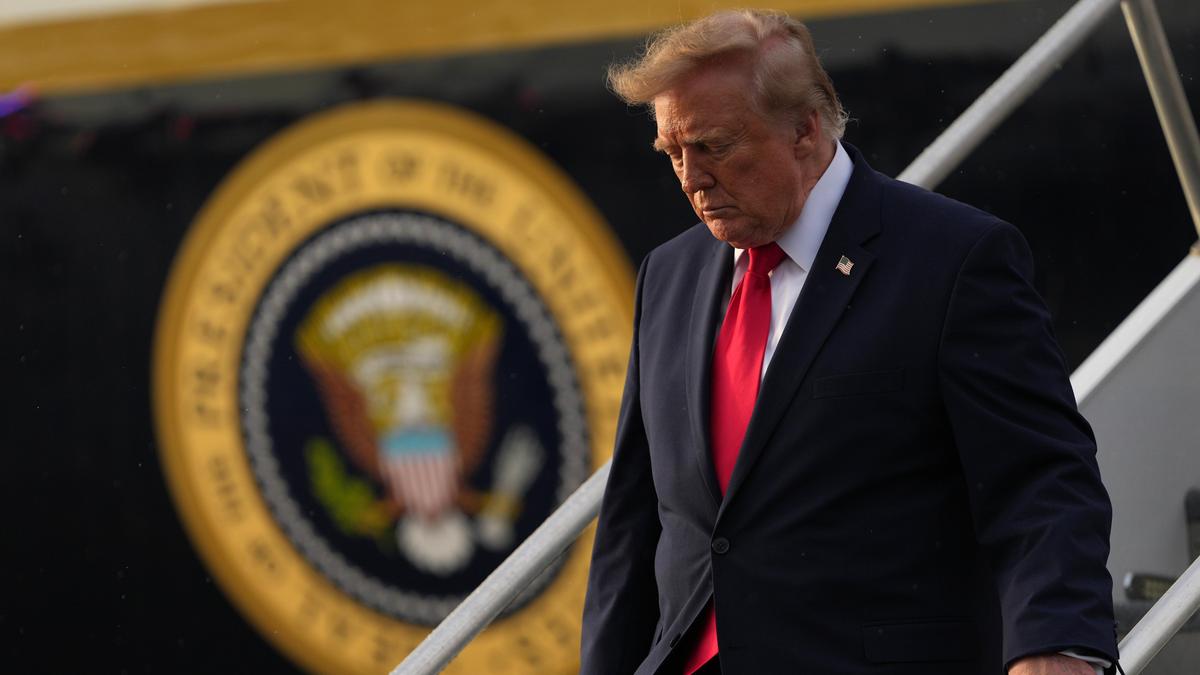
Donald Trump Hints at US Interest in Cuba After Conflict in Iran

UK Court Rules Against India in RAKIA Investment Dispute

India Raises Concerns Over Chinese Border Patrolling Deviations