India's Energy Consumption Compared to the United States: Insights


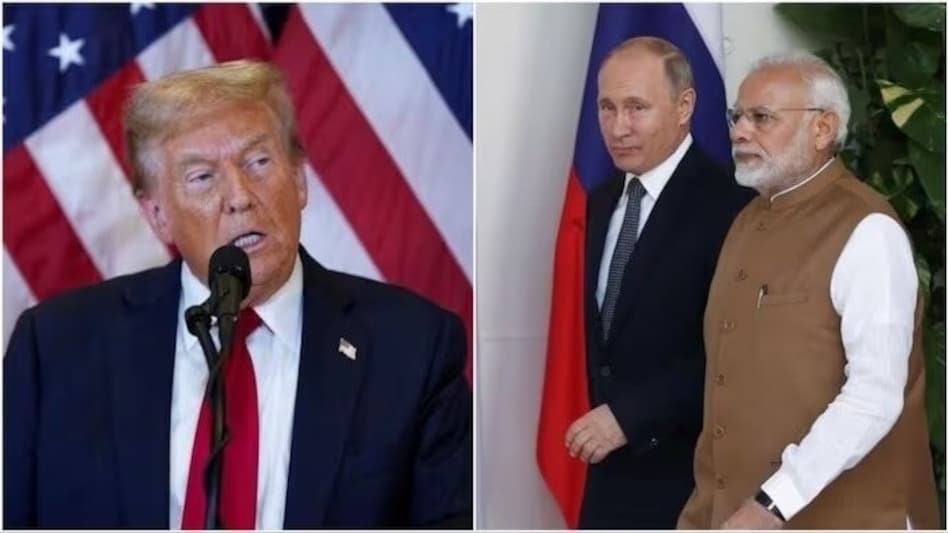
The United States is adopting measures that may penalise nations purchasing Russian oil and gas, which could impact India's relations with Washington and global energy dynamics. In this context, Vinay Mohan Kwatra, India's Ambassador to the United States, emphasised the country’s commitment to energy security while recognising its distinct consumption patterns.
Kwatra pointed out that although India is experiencing rapid economic growth and stands as the third-largest energy consumer worldwide, an Indian's energy consumption is considerably lower than that of an average American. He stated, 'The average Indian consumes less than one-tenth of the average American.' Despite this, he asserted that India's energy requirements will inevitably rise.
The Ambassador elaborated on the importance of energy for various sectors essential for the development of India's 1.4 billion citizens, noting that homes, hospitals, and farms rely heavily on predictable and affordable energy sources. He asserted, 'Our energy security must always come first.'
India’s approach involves diversifying its energy sources, guided by factors such as affordability, market conditions, and commercial viability. This strategy also reflects a national responsibility to ensure that energy remains accessible and uninterrupted for its citizens.
As a response to rising global tensions and fluctuating energy prices, India aims to shield its populace from price volatility. The Ministry of External Affairs (MEA) is actively monitoring developments following the US House of Representatives passing a bill designed to impose sanctions on Russia and Iran. The proposed legislation allows the US President to set tariffs on key trading partners, including India and China, potentially affecting their energy trade.
Kwatra reiterated that India is committed to protecting its economic interests while securing energy for its citizens, who rely heavily on Russian crude, which has formed a significant part of India's energy supply in recent years. He noted that the US and India have engaged in high-level discussions regarding these issues, ensuring mutual understanding concerning the implications for bilateral relations.
The US House passed the sanctions bill with a vote count of 262-159 and awaits the President's signature to be enacted into law. This legislative move primarily targets Russia’s energy sector and its involvement in international markets, yet it could lead to further complexities in the geopolitical landscape regarding energy supply.
The effective management and sourcing of energy remain central to India's developmental goals, as it navigates the turbulent waters of international relations while striving to meet the needs of its growing population. As Kwatra succinctly stated, 'Energy security is a top priority for India's people.'
India Revises Passport Rules for Minors Under 15 Years Old

Two Militants Killed in Udhampur Gunfight During Anti-Terror Operation
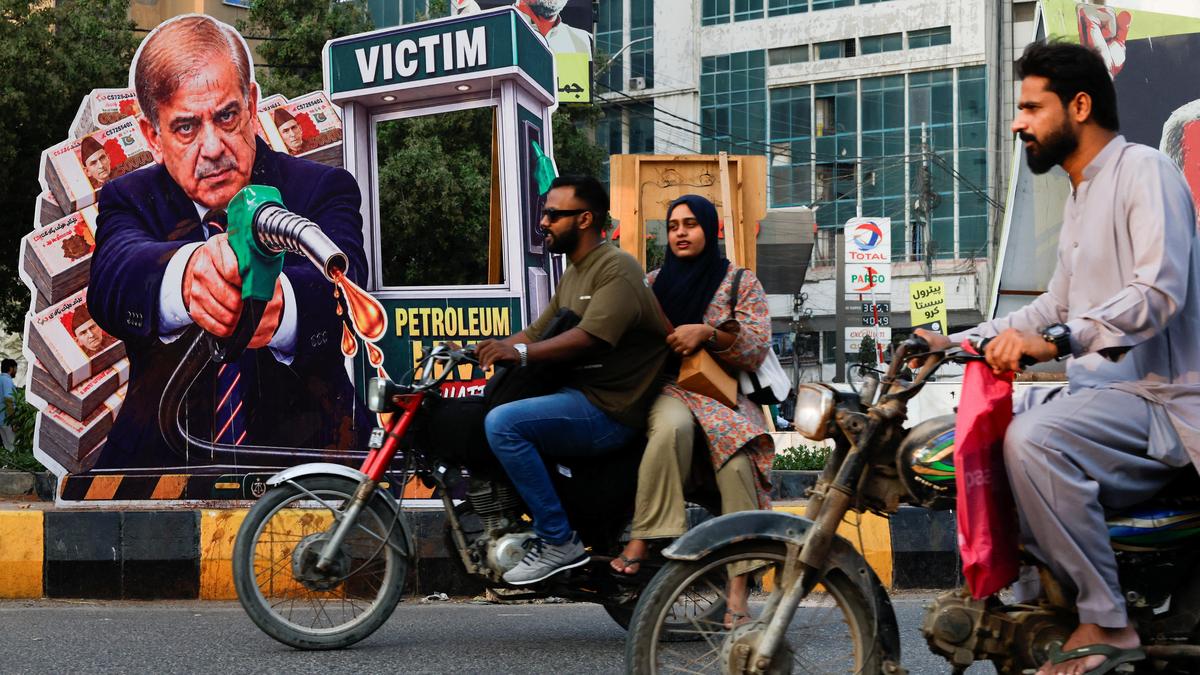
Pakistan Implements Austerity Measures Amid Rising Fuel Prices
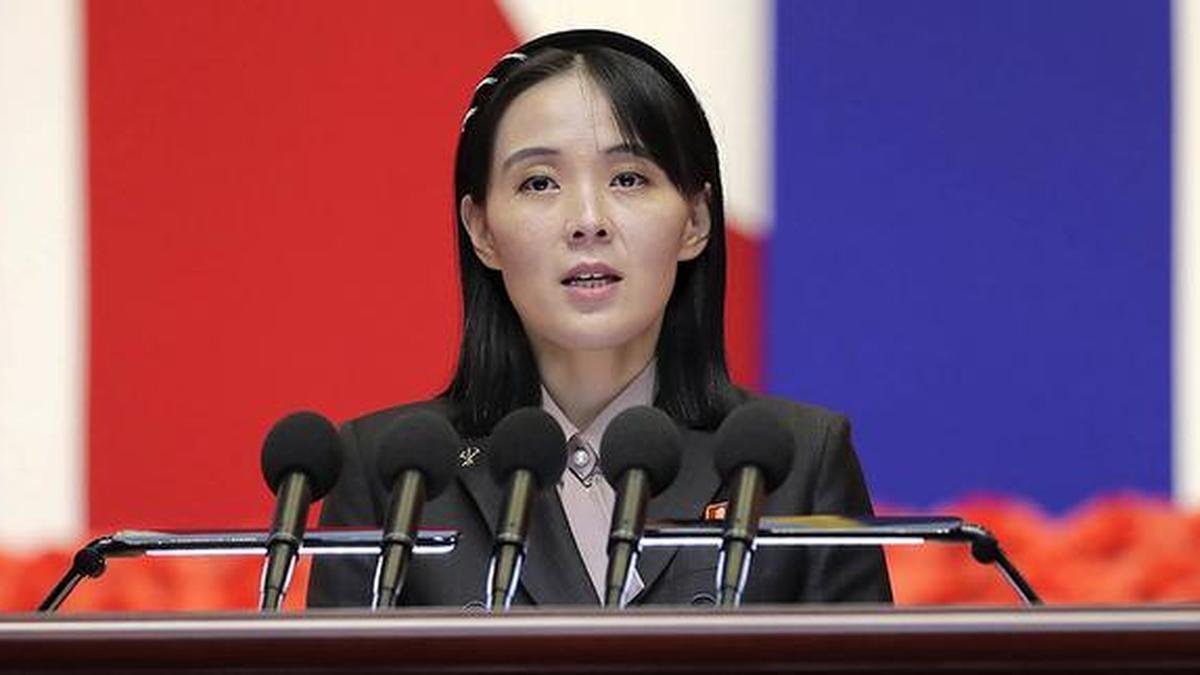
North Korea Threatens Stronger Response to US-Led Military Drills